
How To
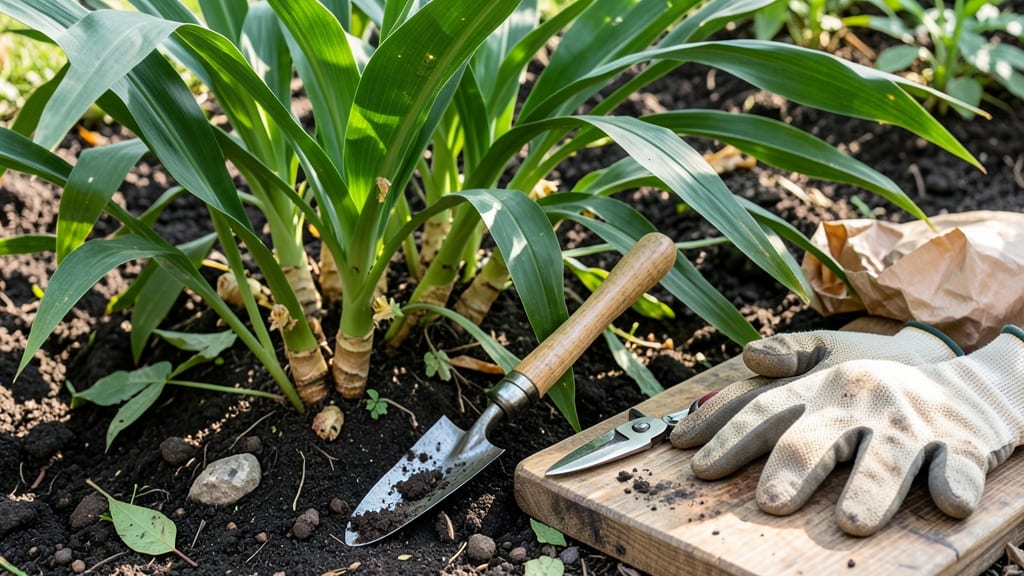
Harvesting ginger root at the right time means the difference between a tender, flavorful rhizome and a tough, flavorless mess—so knowing when to pull it is everything.
Picture this: you’ve nurtured your ginger 🌿 for months, and now the leaves are turning yellow, but the roots feel small and green. That’s the moment you’ll decide whether you get a harvest worth cooking with or a disappointment that’ll end up in the compost.
The knuckle test and soil temperature are your secret weapons here.
Most gardeners in Zone 6a should start checking for harvest readiness in late September, but the exact timing depends on your local climate and how aggressively your ginger grows. Too early, and the roots won’t be fully developed; too late, and they’ll turn woody and lose their punch.
In this guide, I’ll walk you through the foolproof cues—like leaf color, root size, and the knuckle test—to nail your harvest window, plus how to store your ginger so it stays fresh and flavorful for months.

How to use the knuckle test for perfect ginger harvest timing
Ginger plants 🌿 don’t send obvious signals like tomatoes or peppers—they quietly develop their rhizomes underground. That’s why the knuckle test becomes your best friend. This simple finger-pressure method helps determine if your ginger roots are ready for harvest without digging up every plant prematurely.
When done right, it ensures you pull plump, flavorful rhizomes instead of small, underdeveloped ones.
The knuckle test works by assessing the firmness and thickness of the rhizomes through the soil. You’ll need to gently press your fingernail into the soil near the base of the plant. If the rhizome feels resistant to pressure and measures about 2-3 inches in diameter, it’s likely ready.
This method saves you from overharvesting or waiting too long, which can turn your ginger woody and less aromatic.
Before you start testing, make sure your ginger plants show these visual cues: yellowing leaves and a noticeable slowdown in growth. These signs indicate the plant is shifting energy from foliage to root development—a perfect time to apply the knuckle test.
Pair this with checking soil temperature (ideal range: 50-60°F) for the most accurate results.
Wait for Leaf Yellowing
Look for 50-70% yellow foliage—this signals the plant is maturing. Fully green leaves mean the rhizomes aren’t fully developed yet.
Locate the Rhizome Base
Find the thickest part of the stem near the soil line. This is where the largest rhizome forms.
Apply Gentle Knuckle Pressure
Press your fingernail firmly into the soil. If the rhizome resists and feels firm but not hard, it’s ready.
Check Thickness
Use a ruler to measure the rhizome. 2-3 inches in diameter is ideal for harvest.
Confirm Soil Temperature
Ensure soil temps are 50-60°F. Cooler temps slow growth, while warmer soil speeds up maturation.
Dig Carefully
Use a fork or trowel to lift the rhizome gently. Avoid bruising the skin to maintain freshness.
The knuckle test isn’t foolproof—some rhizomes might still feel slightly soft even when ready. In this case, wait 1-2 weeks and retest. Overharvesting small rhizomes reduces next year’s yield, so patience pays off.
For example, my first attempt last fall had me pulling ginger too early, resulting in underwhelmingly small roots—a lesson I won’t repeat!
Another pro tip: Harvest on a dry day to prevent soil from sticking to the rhizomes. After lifting, brush off excess dirt with your hands or a soft brush.
This makes it easier to inspect each root for thickness and firmness before deciding whether to harvest or leave it in the ground for another month.
If you’re growing ginger in containers, the knuckle test works the same way, but you’ll need to tilt the pot slightly to access the rhizomes. Container-grown ginger often matures faster due to warmer root zones, so monitor it closely.
In my experience, potted ginger reaches harvest readiness about 2 weeks earlier than in-ground plants.
Once you’ve confirmed readiness, harvest the entire rhizome cluster. Ginger plants produce multiple smaller "fingers" connected to a main root. Even if some fingers feel underdeveloped, leaving them in the ground won’t improve their size—so harvest everything at once.
After harvesting, let the rhizomes dry in the sun for 1-2 hours to toughen the skin before storing.
Finally, don’t forget to save a few smaller rhizomes for replanting next season. These will grow into full-sized plants if stored in a cool, dry place until spring. The knuckle test isn’t just about harvest timing—it’s a skill that helps you plan for next year’s crop too.
Soil temperature and seasonal triggers for maximum ginger yield
Understanding soil temperature is the key to unlocking your ginger’s full potential. Unlike many crops, ginger thrives in warm but not scorching conditions—ideal harvest timing hinges on soil temps between 50-60°F.
When temperatures drop below this range, rhizome development slows dramatically, while soil warmer than 65°F can cause the roots to become woody and pungent. This delicate balance explains why gardeners in Zone 6a often see harvest windows shift between late September and November, depending on summer heat.
Seasonal triggers go beyond just temperature—they include day length changes and foliage maturation. As daylight shortens in fall, ginger plants naturally shift energy from leaf production to root development. This physiological shift is your first clue that harvest time is approaching.
However, if your summer was unusually hot, your ginger might mature 2-3 weeks earlier than expected, so always monitor soil temps alongside visual cues.
Here’s how climate zones affect your harvest window:
| Climate Zone | Ideal Harvest Window | Soil Temp Trigger | Seasonal Cue |
|---|---|---|---|
| Zones 6-7 (e.g., Midwest) | Mid-October to November | 50-60°F for 2+ weeks | 50-70% leaf yellowing |
| Zones 8-9 (e.g., Southern California) | Late September to October | 55-65°F (cooler nights) | First frost threat |
| Zones 10-11 (e.g., Hawaii, Florida) | August to September | 60-70°F (avoid >75°F) | Day length <12 hours |
| Containers (Any Zone) | 2-3 weeks earlier | 50-60°F (warmer root zones) | Rhizome thickness |
In my experience growing ginger in Zone 7b, the most reliable harvest window falls when soil temps consistently hit 55°F at night. This coincides with the first signs of leaf yellowing and a noticeable slowdown in new growth.
I’ve found that using a soil thermometer near the ginger bed gives me precise data to time my harvest—something I wish I’d done earlier in my gardening journey!
One common mistake is assuming that cooler autumn nights alone mean harvest time. While temperature is critical, you must also confirm rhizome size using the knuckle test (as covered earlier).
For example, last year’s early frost in Zone 6a caused some gardeners to harvest too soon, resulting in underdeveloped roots. Always cross-reference soil temps with rhizome firmness to avoid this pitfall.
If you’re in a warmer climate (Zones 8-11), ginger may mature faster, but don’t rush the harvest. Rhizomes left in the ground too long can become fibrous and less flavorful.
Instead, monitor for day length changes—when days consistently drop below 12 hours, your ginger is signaling it’s ready. In these regions, I’ve seen harvests as early as August, but the quality still depends on maintaining that 50-60°F soil window.
For container growers, soil temperature becomes even more critical because pots heat up and cool down faster than in-ground beds. If your potted ginger shows readiness signs but soil temps are still above 65°F, consider moving the container to a shadier, cooler spot for 3-5 days to slow maturation.
This small adjustment can mean the difference between a plump, tender rhizome and a tough, overmature one.