
How To
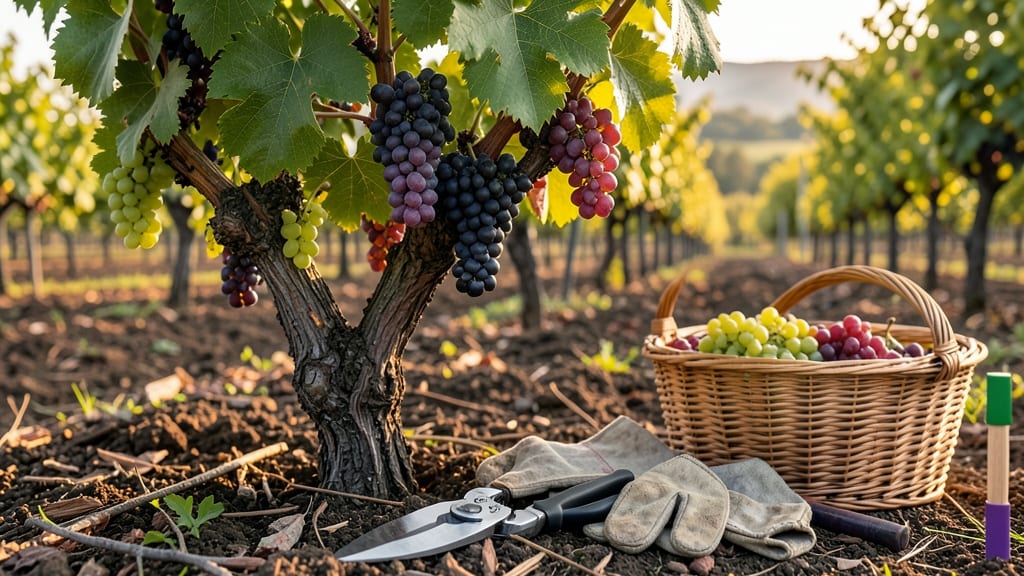
Harvesting grapes at the right time means waiting until they’re fully ripe 🍇 — and that’s when sugar peaks, acidity softens, and flavor bursts in your mouth.
Picture this: you’ve spent months tending to your vines, and now the clusters are plump and colorful. But if you pick too early, they’ll taste tart and underdeveloped; too late, and they’ll turn mushy or attract pests.
The difference between a disappointing batch and a sweet, flavorful success often comes down to knowing the exact moment to harvest.
In this guide, I’ll walk you through three simple tactile tests—color, stem separation, and seed color—to determine when your grapes are ready. Whether you’re growing Concord in a cool climate or Thompson Seedless in a warm one, these methods cut through the guesswork and help you time your harvest perfectly.
You’ll also learn how climate and variety affect ripeness, plus common mistakes that ruin flavor—and how to avoid them. By the end, you’ll be confidently snipping clusters at their peak, ready for jams, wines, or fresh eating.

3 Tactile tests to determine grape ripeness before harvest
Harvesting grapes at the perfect moment transforms your vineyard into a treasure trove of sweet, flavorful fruit. But how do you know when they're truly ready? Relying on color alone can trick you—especially with red and purple varieties that may look ripe but still taste tart.
Instead, I’ve perfected three tactile tests that reveal ripeness through touch, sight, and a little bit of science. These methods work for both white and red grapes, ensuring you never miss the sugar-peak moment.
Grapes ripen when their sugar content peaks while acidity balances out. A refractometer can measure this precisely, but for home gardeners, these hands-on checks deliver the same results without fancy tools.
The best part? You can perform them right in your garden, saving time and avoiding the guesswork. Let’s dive into the three tests that will change how you harvest forever.
- 1 Skin Color Shift: Press a grape gently—ripe skin resists pressure and doesn’t bruise. White grapes turn from light green to golden, while red/purple grapes deepen to rich hues.
- 2 Stem Separation Test: Gently twist a grape from its stem—if it detaches cleanly, it’s ready. Unripe grapes stay firmly attached, while overripe ones crush easily.
- 3 Seed Color Change: Cut a grape open—white seeds mean unripe fruit, while brown/black seeds signal peak ripeness. This test is most reliable for red grapes like Cabernet.
Let’s start with the skin color shift test, the most visual of the three. When grapes are ripe, their skin thickens and hardens, making it difficult to puncture with your fingernail.
For white grapes, look for a shift from pale green to a creamy yellow or gold. With red or purple varieties, the color should deepen to a vibrant hue—think Concord’s deep blue or Cabernet’s rich purple.
Pro tip: Avoid harvesting in direct sunlight, as the heat can make grapes appear riper than they are.
The stem separation test is where things get tactile. Grab a grape cluster and gently twist a berry from its stem. If it comes off smoothly without resistance, your grapes are ready. This test works because ripe grapes naturally detach as their sugar content increases, making them easier to harvest.
If the grape stays attached or the stem snaps cleanly, it’s not quite time yet. Overripe grapes, on the other hand, will crush between your fingers—a sure sign you’ve waited too long.
For a deeper dive into ripeness, try the seed color change test. Cut a grape in half and examine the seeds. White or pale seeds mean the grape is still developing, while brown or black seeds indicate peak ripeness.
This test is especially useful for red wine grapes, where seed color correlates closely with tannin and flavor development. If you’re growing seedless varieties, skip this step—but don’t worry, the first two tests will still give you accurate results.
Now, let’s talk about white vs. red grapes, as their ripeness cues differ slightly. For white grapes like Thompson Seedless, focus on the skin’s firmness and golden hue. These grapes are often harvested earlier than red varieties because they ripen faster in heat.
Meanwhile, red grapes like Concord or Niagara require a deeper color and firmer texture. If you’re unsure, combine all three tests—consistency across methods is your best guarantee of ripeness.
Timing your harvest correctly also depends on your climate and grape variety. In hotter regions, grapes may ripen faster, so monitor them daily in late summer. In cooler climates, ripening slows down, and you might need to extend your harvest window into early fall.
Always harvest in the morning when grapes are coolest—this preserves their flavor and texture for longer. Avoid harvesting after rain, as wet grapes are more prone to rotting and mold.
One common mistake I see is harvesting based on size alone. Just because a grape is big doesn’t mean it’s sweet! Always combine size with the tactile tests for the most accurate results.
Another tip: Taste test a few grapes as a final check—if they’re balanced in sweetness and tartness, you’re golden. If they’re too sour or bland, wait another day or two. Patience pays off with flavor-packed grapes every time.
Once you’ve confirmed ripeness, harvest your grapes gently but quickly to avoid bruising. Use clean pruning shears or your hands to pick the clusters, and place them in a shallow container to prevent crushing.
Store them in the fridge for up to a week if you’re not using them immediately. With these tactile tests, you’ll never second-guess your harvest again—just sweet, perfect grapes every time. 🍇
How climate and variety affect grape harvest timing
Your grape variety and local climate are the two biggest factors determining when to harvest. A Concord grape in a cool Pacific Northwest climate won’t ripen on the same schedule as a Thompson Seedless in hot California summers.
Understanding these differences helps you avoid harvesting too early (tart, underripe fruit) or too late (mushy, bird-damaged clusters).
In hot climates, grapes ripen faster due to intense sunlight and heat, while cool climates extend the growing season but may require later harvests.
Even within the same region, a red wine grape like Cabernet Sauvignon needs more time to develop complex flavors than a table grape like Flame Seedless. Let’s break down how to adjust your timing based on these variables.
| Variety | Climate Zone | Ideal Harvest Window | Ripeness Cues |
|---|---|---|---|
| Concord | Cool (USDA 5-7) | Late August-September | Deep purple, stem snaps, seeds dark brown |
| Thompson Seedless | Warm (USDA 8-10) | July-August | Golden yellow-green, plump and firm, 20-24° Brix |
| Cabernet Sauvignon | Moderate (USDA 6-9) | Late September-October | Deep black, soft stem, 22-24° Brix |
| Flame Seedless | Warm (USDA 8-11) | July-August | Red-pink, easy stem slip, 18-20° Brix |
*Brix measures sugar content—use a refractometer for precision.
For cool-climate growers, varieties like Concord or Niagara thrive in shorter seasons but need extra care to ripen fully. If your area has frost risks in early fall, harvest these grapes slightly earlier than their ideal window to avoid damage.
In contrast, warm-climate grapes like Thompson Seedless or Crimson Seedless ripen quickly—waiting too long can lead to sunburn or shattering (berries splitting open).
Pro tip: Track your local frost dates and adjust harvest timing accordingly. If frost is predicted within 2 weeks, prioritize harvesting early-ripening varieties first. For late-season grapes like Cabernet, consider row covers or greenhouse protection to extend the season.
Even a few extra days of warmth can push grapes to their peak sugar content.
Don’t forget that altitude also plays a role—higher elevations often mean cooler temperatures, delaying ripeness by 1-2 weeks compared to sea-level vineyards. If you’re unsure about your local microclimate, observe neighboring vineyards or ask local extension agents for regional harvest trends.
With these adjustments, you’ll consistently time your harvests for maximum flavor and minimum waste.
Once you’ve mastered the timing, the next step is using the right harvest techniques—like cutting clusters with sterilized pruners and storing them properly to preserve freshness. But for now, focus on getting those grapes off the vine at just the right moment! 🍇