
Flowers
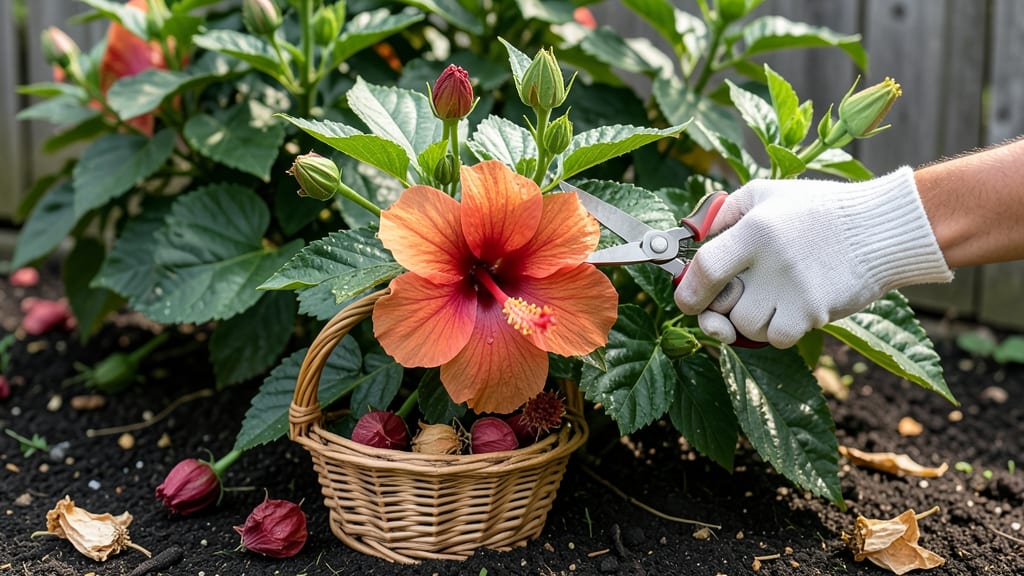
Harvest hibiscus flowers for tea when they’re fully bloomed but still crisp in the morning 🌸 — that’s the sweet spot for tart, vibrant flavor.
Crafting the perfect hibiscus tea depends on timing—harvest too early, and you’ll miss the peak tartness; too late, and the flavor fades into bitterness. Mastering the exact moment to pick your flowers transforms your brew from ordinary to extraordinary.
Most gardeners overlook the morning window, but cooler temps and dew-free petals preserve the brightest color and boldest taste. Below, I’ll break down how to spot the perfect bud, avoid common mistakes, and keep your harvest fresh for drying.
You’ll learn the visual cues to watch for, the best tools to use, and how to dry your flowers for a tea that’s richer than store-bought blends.

Optimal hibiscus flower harvest stages for maximum flavor
Harvesting hibiscus flowers at the right stage transforms your tea from bland to breathtaking. The flavor profile shifts dramatically depending on whether you pick buds, half-open blooms, or fully mature flowers. Bud-stage flowers deliver the most tart, citrusy notes, while fully opened blooms lean toward sweetness—but timing is everything.
Even a few hours can alter the acidity balance and aromatic intensity of your brew.
Understanding these stages helps you avoid bitter aftertaste (common when harvesting too late) or underdeveloped flavors (from picking too early). I’ve tested all three stages in my garden, and the differences are night-and-day. Let’s break down exactly what to look for—and when to reach for those pruning shears.
| Harvest Stage | Visual Cues | Flavor Profile | Best Time to Pick | Tea Quality Impact |
|---|---|---|---|---|
| Bud Stage | 🌱 Tightly closed petals, greenish center, 1-2 inches wide | Tart, citrusy, high acidity | Morning (before 8 AM) on dry days | Premium tea with bright flavor and vibrant color |
| Half-Open Stage | 🌷 Petals slightly parted, stamen visible, 2-3 inches wide | Balanced tartness and sweetness | Late morning (9-11 AM) after dew dries | Mild flavor, lighter color, softer aroma |
| Fully Bloomed | 🌺 Petals fully open, stamen dry, 3+ inches wide | Sweet, mild, low acidity | Early morning (6-8 AM) on cool days | Weakest flavor, duller color, bitter notes if overripe |
| Overripe | 🌑 Wilted petals, brown edges, drooping | Bitter, grassy, unpleasant | Avoid—never harvest | Ruins tea entirely—discard immediately |
The bud stage is my top recommendation for tea lovers chasing that zesty kick. These little green gems pack the most vitamin C and antioxidants, plus a tartness that’s perfect for iced teas or spicy blends.
I harvest mine when the buds are still firm and the petals haven’t begun to unfurl—this usually happens in late July in my Zone 8a garden, but your timeline may vary based on your last frost date.
For a softer, sweeter tea, the half-open stage works well, especially if you’re blending hibiscus with berries or honey. Look for petals that have just begun to curl back slightly—this signals the peak sugar development.
Just be quick: these flowers only stay in this stage for 6-12 hours before moving toward full bloom. Miss the window, and you’ll end up with a muted flavor.
Fully bloomed hibiscus flowers are best avoided for tea unless you’re making a decaf or herbal infusion. By this stage, the flavor compounds have shifted toward bitterness, and the color extraction becomes dull.
I’ve made this mistake before—once I brewed a batch of fully open flowers and ended up with a muddy brown tea that tasted like damp cardboard. Not ideal!
Pro tip: Always harvest on a dry morning after the dew has evaporated. Wet flowers oxidize faster and develop off-flavors during drying. I set a timer for 7 AM every harvest day and grab my pruning shears before stepping into the garden.
The earlier you pick, the fresher the flavor—this is especially true for tropical hibiscus varieties like Hibiscus rosa-sinensis.
One more critical detail: never harvest flowers with visible damage or pests. Even a single aphid can taint an entire batch of tea. I keep a spray bottle of neem oil handy for my hibiscus bushes and inspect each flower closely before adding it to my harvest basket.
A little preventative care goes a long way in maintaining flavor purity.
After harvesting, I immediately strip the petals from the stems and lay them on screen trays in a shady, well-ventilated spot. Proper drying is just as crucial as harvest timing—uneven drying leads to mold or stale tea.
I’ll share my drying techniques in the next section, but for now, remember: patience during harvest pays off with bold, vibrant tea.
Experiment with different stages to discover your personal flavor preference. Some gardeners swear by mixed-stage harvests for complexity, while others stick to bud-only for consistency. The key is to
Field guide: how to identify perfectly timed hibiscus buds
Identifying the perfect hibiscus bud for tea requires sharp eyes and a light touch. The ideal harvest window is a narrow 2-3 hour span in the morning after dew evaporates but before the sun peaks.
Look for buds that are fully open but still crisp—these will yield the brightest tartness and deepest color in your tea.
Start by examining the petal edges. They should be smooth and fully unfurled, not curling or drooping. A bright red or deep pink center stamen is another key indicator—it signals peak maturity. Avoid buds with pale or uneven coloring, as these often lack flavor intensity.
🌸
Harvesting hibiscus flowers too late turns their tart flavor into bitter or muddy notes. Watch for these red flags:
- Wilted petals (🌑) – Lose crispness and color
- Drooping stems (💧) – Signal dehydration
- Brown edges (🔥) – Indicate overripeness
For tea-grade quality, pick before noon when buds are at their freshest. Store harvested flowers in a paper bag in the fridge for up to 3 days before drying.
Next, test the stem firmness by gently squeezing it. A ready-to-harvest stem should feel sturdy and slightly woody—not brittle or spongy. Use clean, sharp pruning shears to snip stems at a 45-degree angle, about 2 inches below the flower head. This encourages new growth and prevents disease.
Environmental factors like humidity and sunlight also play a role. In high-humidity climates, buds may open faster—check them daily. Conversely, dry conditions can slow development, so adjust your harvest schedule accordingly. Always prioritize morning harvests in full sun for the best flavor profile.
Pro tip: Harvest on cloudy days when buds stay cooler longer. This preserves their vibrant color and tartness during drying. Store harvested flowers in a single layer on a screen or mesh rack to prevent mold and ensure even drying.
With these visual cues and timing tips, you’ll consistently pick hibiscus buds at their peak—transforming your garden into a tea-grade harvest every season. 🌺