
How To
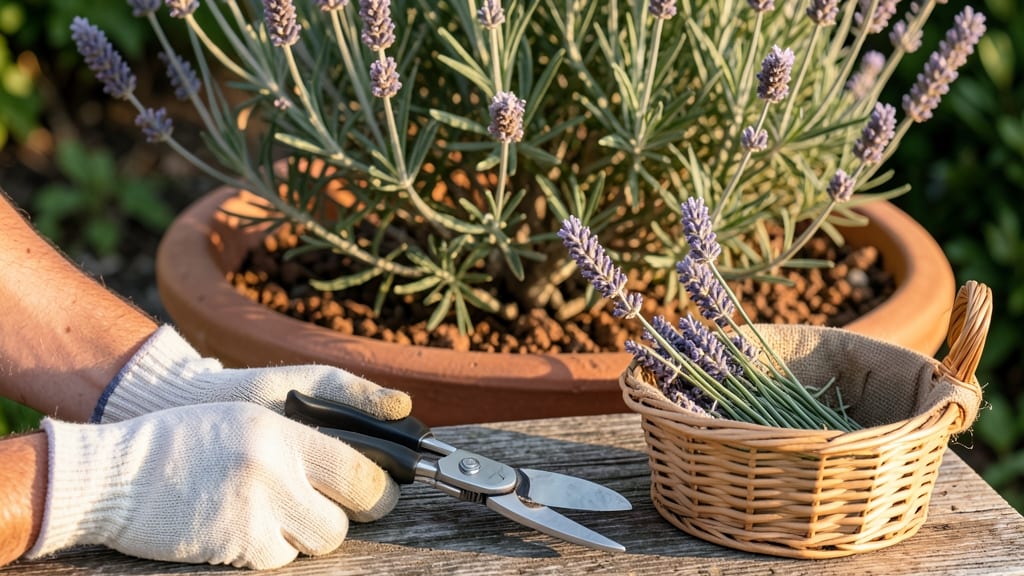
Harvesting lavender when the buds are in the pea stage—fully formed but not yet open—gives you the strongest fragrance and oil content 🌿.
Harvesting lavender at the wrong time can ruin its oil potency and fragrance—knowing the perfect moment transforms your garden into a fragrant goldmine. But how do you spot it?
Most gardeners wait until mid-to-late summer, but timing matters more than the calendar. The key is watching for tight buds that haven’t bloomed yet, paired with firm stems and that signature sweet scent when crushed.
Below, I’ll walk you through the three visual signs of peak harvest time, plus the best time of day and season to cut for maximum yield and fragrance.

3 Visual signs your lavender is ready for harvesting
Harvesting lavender at the wrong time can turn your fragrant garden into a disappointment—overripe buds lose their essential oil potency and sweet aroma. The secret lies in three key visual cues that tell you when your lavender is at its peak for harvesting.
These signs ensure you get the strongest fragrance and highest oil yield for sachets, culinary uses, or DIY projects.
I’ve harvested lavender for years, and I can confidently say the pea stage is where magic happens. This is when the buds look like tiny peas—plump, tightly closed, and ready to burst with flavor.
But there’s more to it than just the buds. Let’s dive into the three foolproof signs that your lavender is begging to be harvested.
-
Bud Clusters Are Tight and Closed
Look for pea-sized buds that haven’t opened yet. These buds are packed with essential oils and maximum fragrance. If they’re already blooming, you’ve missed the boat! -
Stems Feel Woody and Firm
Gently pinch a stem—it should feel thick and sturdy, not soft or green. Soft stems mean the plant isn’t mature enough for harvest, and the oil content will be weaker. -
Strong, Sweet Aroma When Crushed
Rub a few buds between your fingers. If they release a rich, floral scent, it’s harvest time. A faint or no smell means the plant isn’t ready—wait a few more days.
When I first started growing lavender, I made the mistake of harvesting fully bloomed flowers. The scent was noticeably weaker, and the oil yield was half what it should have been.
That’s when I learned to trust these three visual cues. The pea stage isn’t just a term—it’s your golden ticket to lavender perfection.
Another pro tip? Avoid harvesting lavender when it’s damp from dew or rain. The moisture can dilute the essential oils and weaken the fragrance. Always harvest on a dry, sunny morning for the best results. This timing also lets the dew dry off, preserving the plant’s natural oils.
If you’re growing English lavender or French lavender, both varieties follow the same rules. However, French lavender tends to have slightly smaller buds and a more intense fragrance at the pea stage. Pay extra attention to the aroma test—it’s your best quality control.
One common mistake I see is waiting too long because the buds look “almost ready.” Don’t wait for them to open—once they bloom, the oil content drops significantly.
Think of it like picking green tomatoes: you want them firm and unripe for the best flavor. The same goes for lavender buds.
For maximum yield, harvest lavender every 2-3 weeks during its peak season (mid-summer to early fall). This encourages the plant to produce more buds and keeps your harvests bountiful. Just be sure to never cut more than one-third of the plant at a time to avoid stressing it.
After harvesting, bundle the stems and hang them upside down in a dry, dark place for 1-2 weeks. This slow-drying process preserves the fragrance and color better than rushing them. Once fully dried, you’ll have lavender that smells like a summer meadow in every sachet or potpourri.
Remember, lavender is a low-maintenance plant, but harvesting it correctly makes all the difference. By watching for these three visual signs, you’ll always know when your lavender is at its best—ready to be turned into everything from potpourri to homemade lavender oil.
Best time of day and season for harvesting lavender
Timing your lavender harvest isn't just about the calendar—it's about weather conditions and time of day that preserve those precious essential oils and fragrance compounds.
I've learned through trial and error that harvesting at the wrong time can leave you with lavender that smells more like hay than the summer meadow you envisioned.
The best time to harvest lavender is when buds are at the pea stage—fully formed but not yet open—and the weather cooperates.
Most lavender enthusiasts focus on seasonal timing, but the time of day matters just as much. Morning harvests—between 8 AM and 10 AM—are ideal because the dew has evaporated but the heat of the day hasn't yet reduced oil potency.
This timing gives you lavender with the strongest fragrance and highest oil content. Avoid harvesting in the afternoon when temperatures peak, as this can cause the essential oils to evaporate more quickly.
| Factor | Best Practice | Why It Matters |
|---|---|---|
| Season | Mid-to-late summer (July-August) | Peak oil production when buds are at pea stage |
| Time of Day | Morning (8-10 AM) | Dew evaporated but heat hasn't reduced oils |
| Weather | Dry, sunny days | Prevents moisture dilution of essential oils |
| Temperature | 60-75°F (15-24°C) | Optimal range for oil preservation |
| Humidity | Low (below 60%) | Reduces fungal risk and oil degradation |
The seasonal timing for lavender harvest is crucial, with mid-to-late summer being the prime window. This aligns with when lavender naturally produces its highest oil content. However, I've found that early fall harvests (September) can sometimes yield even better results, especially in cooler climates.
The fall harvest gives you lavender with a slightly deeper fragrance, as the plant begins its natural oil concentration process before winter.
One mistake I see gardeners make is harvesting lavender in spring or early summer. While the plant may look lush, the essential oil content is significantly lower during these times. The buds haven't had enough time to develop their full aromatic compounds.
Always wait until you see those tight, pea-sized buds forming—this is your cue that nature is ready to share its bounty.
For regional considerations, gardeners in USDA Zone 6a (like where I live) should aim for harvests between late July and early September. In warmer climates (Zones 7-10), you might extend your harvest window into October.
The key is to harvest before the first frost, as cold temperatures can damage the plant and reduce oil quality. If you're in a cooler climate, prioritize the late summer harvest for maximum yield.
After harvesting, the next critical step is proper drying. Bundle the stems and hang them upside down in a dark, well-ventilated space for 1-2 weeks. This slow drying process preserves the fragrance and color better than rushing them.
Once dried, your lavender will maintain its summer meadow scent for months, making every sachet or potpourri batch smell like a fragrant garden memory. 🌿