
How To
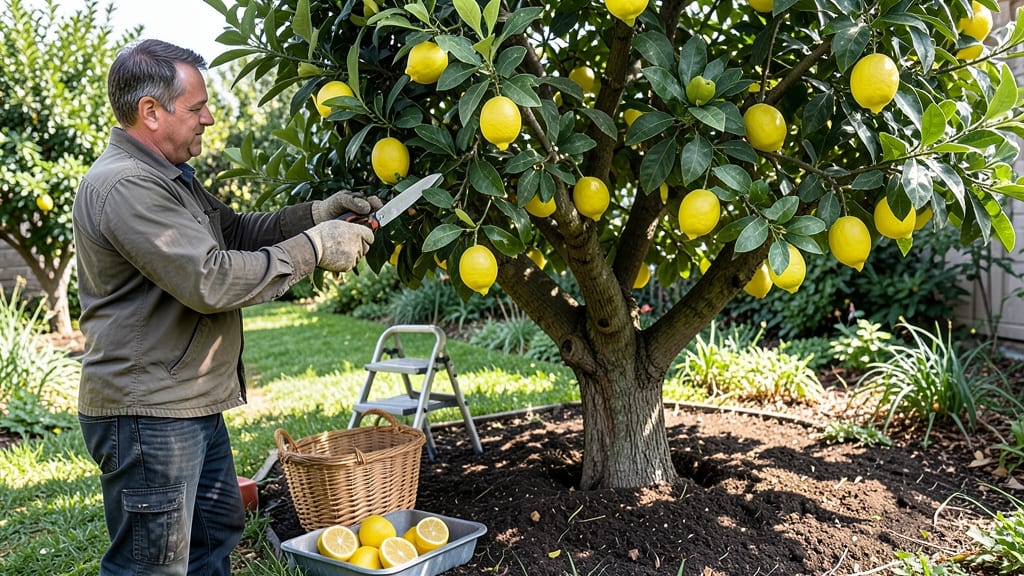
Harvesting lemons at the right time turns tart frustration into sweet success — and the key is knowing when those bright 🍋 fruits are ready to pick.
Picking too early means sour, underripe lemons that ruin your lemonade. Waiting too long risks mealy, overripe disappointment. The secret? Mastering color cues and ripeness stages to lock in peak flavor.
In Zone 9b, where lemons thrive year-round, the best harvest window shifts with seasons. Winter brings sweeter fruit, while summer’s heat can rush ripening. Below, I’ll break down the 3 color-stage tricks to test ripeness beyond just color.
You’ll learn how to squeeze-test firmness, spot the perfect stem separation, and even taste-test for acidity balance. By the end, you’ll never second-guess when to harvest again.

Lemon color-stage guide: how to identify perfect harvest timing
Harvesting lemons at the right time transforms tart, underripe fruit into juicy, sweet gems. The color progression from green to yellow is your best indicator—but it’s not as simple as "wait until yellow."
Different varieties like Eureka, Meyer, and Lisbon ripen at slightly different rates, and even the same tree can produce fruit with varying timelines. Understanding these color-stage cues ensures you pick lemons when they’re at peak flavor, not before or after their prime.
Lemon color changes gradually, starting with a bright green hue that slowly shifts to yellow-green, then golden yellow. This transition isn’t just about aesthetics—it signals sugar development and acidity balance.
A fully green lemon will taste harsh and sour, while an overripe one may become mealy or bitter. The key is catching that sweet-spot yellow that’s firm to the touch and fragrant when sniffed near the stem.
Here’s how the color stages break down for each popular variety, along with their ideal harvest windows:
| Variety | Color Stage | Flavor Profile | Harvest Window |
|---|---|---|---|
| Eureka | Green → Yellow-Green → Bright Yellow | Tart when green, balanced sweet-tart when yellow | Fall to Winter (Oct–Feb) |
| Meyer | Green → Yellow-Green → Golden Yellow | Sweeter than Eureka, less acidic | Year-Round (Peak: Summer–Fall) |
| Lisbon | Green → Yellow-Green → Deep Yellow | Thick-skinned, tart-sweet balance | Winter to Early Spring (Dec–Mar) |
The Eureka lemon, a classic variety, typically ripens later in the year, making it ideal for winter harvests.
Look for at least 50% yellow color before picking—this variety often retains some green even when ripe. Meyer lemons, on the other hand, are more forgiving and can be harvested year-round, though they peak in summer and fall.
Their color shifts more dramatically, often turning a soft golden hue when ready.
Lisbon lemons are the most seasonal-sensitive, thriving in cooler climates and ripening best in winter and early spring. Their thick skin stays green longer, so wait until at least 70% of the lemon is yellow before harvesting. Pro tip: Twist gently—if the lemon detaches easily with a slight pull, it’s ready. If it resists, it needs more time on the tree.
Climate plays a huge role in lemon ripening. In warmer zones (USDA 9b+), lemons may ripen faster and produce multiple harvests per year. In cooler microclimates (USDA 8a-9a), expect slower color changes and fewer harvests.
If your lemons aren’t turning yellow by late fall, they might need more sunlight or nutrients. A balanced citrus fertilizer applied in early spring can boost fruit development and color transition.
Don’t rely solely on color—touch and smell are equally important. A ripe lemon should feel heavy for its size and spring back when gently squeezed. Sniff near the stem: a fragrant, citrusy aroma is a dead giveaway for ripeness.
If your lemon passes these tests but still has patches of green, that’s okay! The green areas are just less mature skin and won’t affect flavor.
Harvesting too early is the most common mistake, leading to sour, seedy lemons that lack sweetness. But waiting too long can turn your fruit mealy or dry. The sweet spot is when the lemon is firm, fragrant, and mostly yellow.
For storage lemons, harvest slightly earlier (when 40-50% yellow)—they’ll ripen further off the tree. For immediate use, wait until 70%+ yellow to maximize flavor.
If you’re growing lemons in containers, expect a slightly delayed ripening process due to limited root space. Container-grown trees may need extra sunlight and water to encourage color changes. In greenhouse settings, lemons can ripen year-round, but monitor color closely—artificial light can slow the yellowing process.
Adjust harvest timing based on your specific growing conditions to avoid overripe or underripe fruit.
Once you master these color-stage cues, you’ll never miss a perfect lemon again. The next time you spy a yellowing lemon on your tree, give it the squeeze test and sniff test—your taste buds will thank you!
With practice, you’ll develop an eye for the ideal harvest moment, ensuring every lemon you pick is bursting with sweet-tart perfection.
3 Pro tips to test lemon ripeness beyond color
Color alone can be misleading when judging lemon ripeness—especially in Zone 9b, where lemons mature year-round. A fully yellow skin might still hide underripe flesh, while a slightly green lemon could be perfectly sweet. To avoid guesswork, I rely on three physical tests that reveal true ripeness.
First, let’s address the gentle squeeze test, which reveals internal firmness. A ripe lemon should feel firm but slightly yielding—like pressing your thumb into a ripe avocado. Overripe lemons dent easily, while unripe ones feel rock-hard. This test works best when paired with color cues.
Next comes the stem separation technique, a trick I learned from California citrus growers. Gently twist the lemon at its stem—if it detaches cleanly with minimal force, it’s ready. A stubborn stem means it needs more time, while a stem that snaps off too easily signals overripeness.
- Firm but yielding: Press gently—ripe lemons dent slightly but spring back.
- Rock-hard: Underripe; wait 1-2 weeks for full flavor development.
- Dents easily: Overripe; best used immediately or stored in the fridge.
- Clean twist-off: Ready to harvest; stem detaches with slight resistance.
- Stubborn stem: Needs 1-3 more weeks on the tree.
- Snaps too easily: Overripe; harvest immediately to avoid mealiness.
- Balanced tart-sweet: Ideal for fresh eating; harvest now.
- Overwhelming tart: Underripe; wait 1-2 weeks.
- Mild, flat taste: Overripe; use within 3 days or store.
The final test is a taste-test for acidity balance, which I save for lemons that pass the first two tests. Cut a small slice and taste—ripe lemons have a bright, balanced tang, while underripe ones taste harshly acidic.
Overripe slices lose their punch and may taste dull or grainy.
For maximum sweetness, harvest in late fall or winter when days are cooler. Summer’s heat can rush ripening, leading to mealy flesh. If storing lemons long-term, pick them slightly firmer than you would for fresh eating—they’ll ripen further off the tree.
Pro tip: Harvest in the morning when temperatures are coolest. This preserves flavor and firmness, giving you the best chance to enjoy lemons at their peak. Now you’re ready to pick perfect lemons every time—no more sour surprises! 🍋