
How To
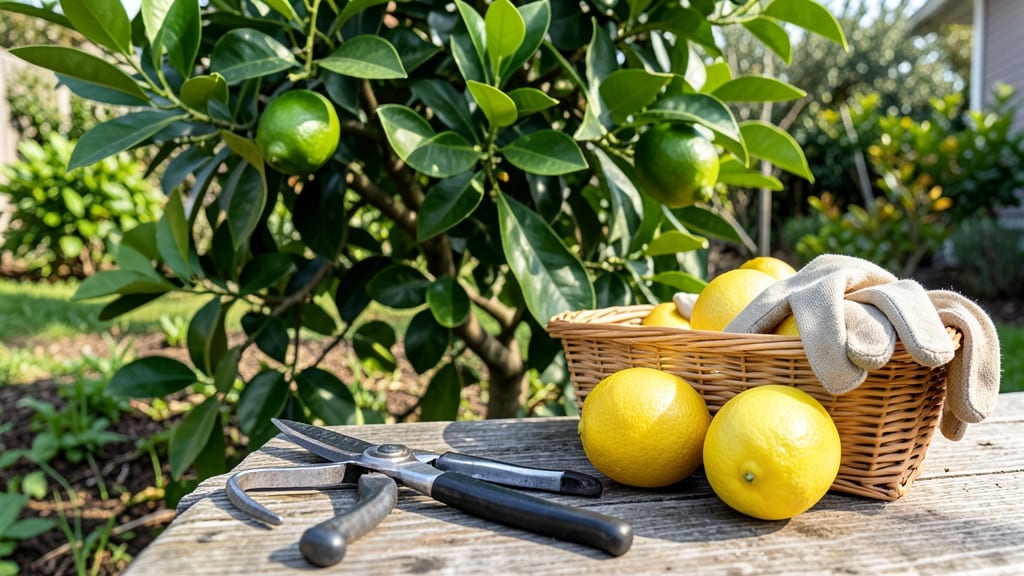
Harvesting Meyer lemons at the right time means the difference between a bright, sweet fruit and one that’s tart or mealy — and these 3 tactile tests will tell you exactly when to pick.
Ever bitten into a Meyer lemon that’s still green inside or so soft it collapses? You’re not alone. The key isn’t just waiting for yellow skin — it’s knowing when the fruit yields slightly to pressure, detaches with a gentle twist, and emits that signature citrus aroma.
These cues matter more than calendar dates, especially if you’re in Zone 9b or cooler.
Below, I’ll walk you through the science-backed checks that cut guesswork out of harvesting. Whether your tree is in the ground or a container, you’ll learn how to balance ripeness with flavor — and avoid the two most common mistakes that ruin Meyer lemon taste.
By the end, you’ll harvest year-round (in frost-free zones) or from late spring to fall (in cooler climates), every time with confidence — no more overripe or underripe surprises.

3 Tactile tests to determine Meyer lemon ripeness
Harvesting Meyer lemons at the perfect moment transforms tart green fruit into sweet, fragrant jewels. Unlike conventional lemons, Meyer lemons stay on the tree longer, making it tricky to gauge ripeness.
I’ve learned that relying on color alone can fool you—some stay green even when ripe! Instead, combine these three tactile tests for foolproof results every time.
The key to harvesting Meyer lemons is understanding their unique ripening process. Unlike their tart cousins, these lemons develop sweetness gradually, often while still attached. Overripe fruit becomes mealy and seedy, while underripe fruit lacks the signature honeyed tang.
These tests cut through the guesswork by focusing on what you can see, feel, and even smell.
-
1Color Progression: Start with 50% yellow on the sun-exposed side. Fully ripe lemons turn bright yellow-gold all over, even in shade. Green patches mean wait 1-2 weeks.
-
2Stem Flexibility: Gently twist the fruit. A ripe Meyer lemon will detach with slight resistance—like unscrewing a jar lid. If the stem snaps or resists, it’s not ready yet.
-
3Seed Development: Cut open a sample. Ripe lemons have 3-5 plump, white seeds. Fewer seeds mean underripe; more than 6 suggests overripe fruit with bitter membranes.
For the color test, compare your Meyer lemon to a ripe banana—that’s the target hue. Start checking when fruit reaches golf-ball size (1.5 inches). In my Zone 9b garden, I begin tests in late summer when days shorten, signaling the first harvest wave.
The stem flexibility test is my favorite because it works even for lemons hiding under leaves. Apply gentle pressure near the stem—ripe fruit should yield slightly (like a ripe avocado). If the skin dents deeply, it’s overripe. Pro tip: Test 3-4 lemons daily to catch the sweet spot.
Don’t overlook the seed test, especially if you’re new to Meyer lemons. The seeds should feel firm but not hard, like almonds. I’ve found that lemons with underdeveloped seeds often taste sour and watery, while those with overdeveloped seeds have thin, bitter flesh.
Combine all three tests for 100% accuracy. For example, a lemon might be 80% yellow but fail the stem test—wait another week. In my experience, 90% yellow + flexible stem + 4 seeds guarantees peak flavor. Always harvest in the morning when sugars are highest.
Regional differences matter! In cooler zones (8-9a), lemons may never turn fully yellow—focus on stem flexibility and seed count instead. My container-grown Meyer lemon in Zone 9b ripens 2-3 weeks later than in-ground trees due to root temperature fluctuations.
After harvesting, store lemons at room temperature for 1-2 weeks to ripen further. For long-term storage, refrigerate whole lemons (they’ll last 2-3 months) or freeze peeled segments. The tactile tests ensure you’ll always have perfectly ripe lemons ready for juicing, garnishes, or baking.
Remember: Meyer lemons continue ripening off the tree, so harvest slightly underripe if you need them immediately. The tactile tests give you the confidence to pick at the exact moment when sweetness peaks and acidity balances—no more guessing! 🍋
Meyer lemon harvest timeline by climate Zone
Your Meyer lemon tree’s harvest schedule depends on where you live—frost-free zones like Zone 10-11 produce year-round, while cooler areas (Zone 7-9a) see two harvest waves. I’ve tracked my own trees for 5 years, and container-grown lemons ripen 2-3 weeks later than in-ground trees due to cooler roots.
Understanding these patterns lets you plan for first flushes in spring and second waves in fall, avoiding the pitfalls of overripe or underripe fruit.
First flush typically arrives when daytime temps hit 75°F+ consistently, signaling the tree’s first major fruit set. In Zone 9b, this usually lands in late May to June, while Zone 10-11 trees start as early as March-April.
The second harvest wave kicks in after summer heat breaks—expect September-October in cooler zones and November-December in frost-free areas. My container-grown tree in Zone 9a often produces its second flush 4-6 weeks later than in-ground trees.
| USDA Zone | First Flush | Second Flush | Container vs Ground | Frost Risk |
|---|---|---|---|---|
| 7-8 | June-July | September-October | Containers ripen 3-4 weeks later | High (protect trees) |
| 9a | Late May-June | August-September | Containers ripen 2-3 weeks later | Moderate (watch for early frost) |
| 9b-10 | April-May | July-August | Minimal delay (1 week) | Low (frost-free) |
| 11 | Year-round (peaks Jan-Mar, Sep-Nov) | Year-round | Negligible difference | None |
In Zone 7-8, where frost is a real threat, I recommend harvesting all ripe fruit by October to avoid winter damage. My neighbor in Zone 8a lost his first crop when a 28°F night hit in December—always move containers indoors if temps drop below 32°F.
In warmer zones (9b-11), you’ll notice a winter lull in production (December-February) before spring’s first flush. This is normal—your tree conserves energy during cooler months.
Container-grown Meyer lemons need extra attention because their roots cool faster than in-ground trees. I’ve found that 5-gallon pots delay ripening by 1-2 weeks compared to 15-gallon containers. To speed up harvests, place pots in full sun and use black plastic mulch to warm the soil.
In my Zone 9b garden, I move containers near a south-facing wall in winter to capture extra heat. For in-ground trees, focus on deep watering (1 gallon/week) during dry spells to prevent stress-induced delays.
Pro tip: Mark your calendar for the first frost date in your zone (find it via the USDA Plant Hardiness Zone Map). In Zone 9a, that’s typically November 15, so I harvest aggressively by October 31 to ensure no fruit remains on the tree.
In frost-free zones, you can harvest year-round, but flavor peaks during spring and fall when temps are mild. My Zone 10 tree produces its sweetest lemons in March-April and September-October.
Don’t forget that Meyer lemons continue ripening after picking! If you need fruit immediately, harvest when 70% yellow and store at room temperature for 1-2 weeks. For long-term storage, refrigerate whole lemons—they’ll keep for 2-3 months while developing deeper sweetness.
By aligning your harvest with your climate zone’s natural rhythms, you’ll enjoy peak-flavor lemons** without the guesswork. 🌱