
Trees
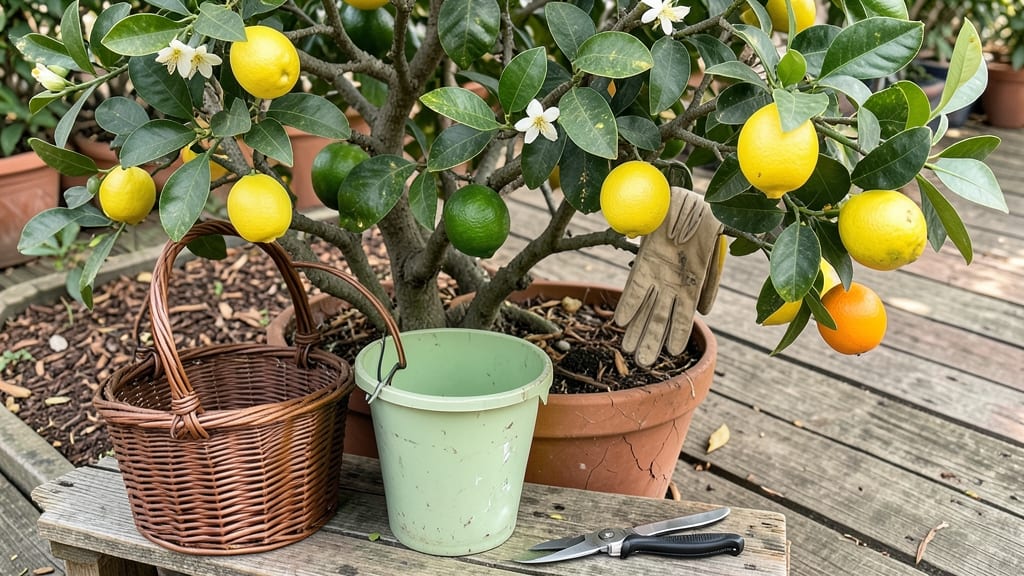
Timing the lemon tree harvest time correctly is what separates a zesty, juicy burst from a bitter letdown.
Picture this: you’ve spent months tending to your 🍋 lemon tree, watching those tiny blossoms turn into fruit, only to pick a lemon that’s either rock-hard or mealy inside. That’s the frustration of guessing when to harvest—no more second-guessing.
Lemons ripen over time, but the ideal harvest window depends on your climate, the variety you’re growing, and a few simple cues. Too early, and you’re stuck with tart, puckery lemons; too late, and the flesh turns dry or the skin thickens.
The key? Knowing when the fruit is firm, fragrant, and just the right shade of yellow.
In this guide, I’ll walk you through the exact signs to look for—from color changes to the "squeeze test"—plus how seasonal shifts and your local growing zone can tweak your harvest timeline. No more wasted fruit, just peak flavor every time.

When to harvest lemons: seasonal timeline and ripening stages
Timing your lemon harvest is everything—picking too early means bitter, puckery fruit, while waiting too long can turn your lemons into mealy, flavorless orbs. The key lies in understanding your tree's ripening stages and how your local climate affects them.
Unlike some fruits that ripen off the tree, lemons must be harvested at peak ripeness for that perfect balance of sweetness and acidity we all crave.
Your lemon tree's location plays a massive role in harvest timing. In warm climates like California or Florida, lemons may ripen year-round, while in frost-prone zones (USDA Zones 8 and below), your harvest window shrinks dramatically.
Even within the same region, sunlight exposure can shift your harvest by weeks—trees in full sun ripen faster than those in partial shade. Let's break down the seasonal timeline so you never miss peak harvest again.
| Stage | Warm Climates (Zones 9-11) | Temperate Climates (Zones 7-8) | Cool Climates (Zones 6 & below) |
|---|---|---|---|
| Flowering | Year-round peaks in spring | Late spring to early summer | Late spring (after frost risk) |
| Fruit Set | 60-75 days after flowering | 75-90 days after flowering | 90-120 days (longer in cool areas) |
| Early Ripening | Late summer to early fall | Fall (Sept-Nov) | Late fall (Oct-Dec) |
| Peak Harvest | Fall (Oct-Dec) & Spring (Feb-Apr) | Late fall to winter (Nov-Jan) | Late fall only (Nov-Dec) |
| Late Season | Winter (Jan-Mar) | Limited (Jan) | None (frost risk) |
| Sunlight Impact | Faster ripening in full sun | 2-3 week delay in partial shade | 4+ week delay in shade |
In warm climates, lemon trees often produce two harvests per year—one in late fall and another in early spring. My Meyer lemon tree in Zone 10 starts showing ripe fruit as early as September, with a second flush appearing in February.
The key is to monitor your tree's growth stages rather than relying on a calendar, as temperature fluctuations can shift ripening windows by weeks.
For temperate climates (Zones 7-8), focus on the fall harvest window (September-November), as winter frosts will halt production. I've found that Eureka lemons in my Zone 8 garden ripen about 4-6 weeks later than in warmer areas.
If you're in this zone, mark your calendar for late October—this is typically when my tree's lemons reach peak flavor. Don't be tempted to harvest early just because they're turning yellow; underripe lemons taste bitter and lack the sweetness we love.
Gardeners in cool climates (Zones 6 and below) face the biggest challenges, with harvest windows often limited to late fall before the first frost. If you're in these zones, consider growing dwarf varieties like 'Improved Meyer', which ripen faster and are more cold-tolerant.
I've successfully grown lemons in Zone 5 by planting in large containers and moving them to a sunny garage or greenhouse during winter. Even then, expect harvests only in September-October, with no second flush.
Sunlight is the single biggest factor in determining your lemon's ripening speed. Trees receiving full sun (6+ hours daily) will ripen 2-4 weeks faster than those in partial shade. My shade-grown tree produces lemons that take nearly 6 months longer to ripen compared to my sunniest tree.
If you notice your lemons staying green longer than expected, consider pruning nearby shade trees
How to tell if a lemon is ready to pick: 5 key visual and tactile cues
Harvesting lemons at the perfect moment transforms your fruit from tart to tangy-sweet. The difference between juicy perfection and bitter disappointment often comes down to these 5 simple cues.
I’ve learned the hard way—overripe lemons taste mealy, while underripe ones leave your mouth puckering. Let’s fix that with science-backed signs.
First, check the color consistency. Ripe lemons should be a bright, even yellow—no green patches. Some varieties like Meyer lemons may have a slight orange tint, but uniformity is key.
Green means underripe, while brown spots signal overripe fruit. This visual cue alone saves me from wasting lemons that won’t ripen further.
🍋 5 Signs Your Lemon Is Perfectly Ripe
- 🟡 1. Deep, even yellow color (no green)
- 🤏 2. Slight give when gently squeezed (not rock-hard or mushy)
- 🌱 3. Stem separates easily (twist gently—no force needed)
- 👃 4. Sweet citrus aroma at the stem (not sour or flat)
- 📏 5. Reaches variety-specific size (1.5–3 inches wide)
Next, perform the squeeze test—gently press the lemon. A ripe one will yield slightly to your fingers, like a ripe avocado. If it feels rock-hard, it’s underripe; if it’s mushy, it’s past its prime.
I use this test every harvest to avoid the mealy texture that ruins lemonade. Pro tip: Press near the stem where the fruit is thickest.
Don’t overlook the stem separation test. Twist the lemon gently at its stem—it should detach cleanly with minimal effort. If the stem resists or tears, the fruit isn’t fully mature.
This test is my favorite because it’s foolproof. I’ve seen lemons drop naturally when ripe, which is nature’s way of saying, “Pick me now!”
Finally, trust your nose. A ripe lemon emits a sweet, floral citrus scent near the stem. Underripe lemons smell sour or bland, while overripe ones may have a fermented odor.
This sensory cue is often overlooked but is the most reliable for me. I’ve trained my nose to detect the perfect aroma—it’s like a lemon’s way of whispering, “I’m ready!”
Common mistakes? Picking lemons too early for container-grown trees (they ripen slower) or ignoring variety differences. Meyer lemons, for example, ripen earlier than Eureka varieties. Always check your tree’s harvest window—typically 60–90 days after flowering—and combine these cues for foolproof results. Now go pick that perfect lemon! 🌱