
How To
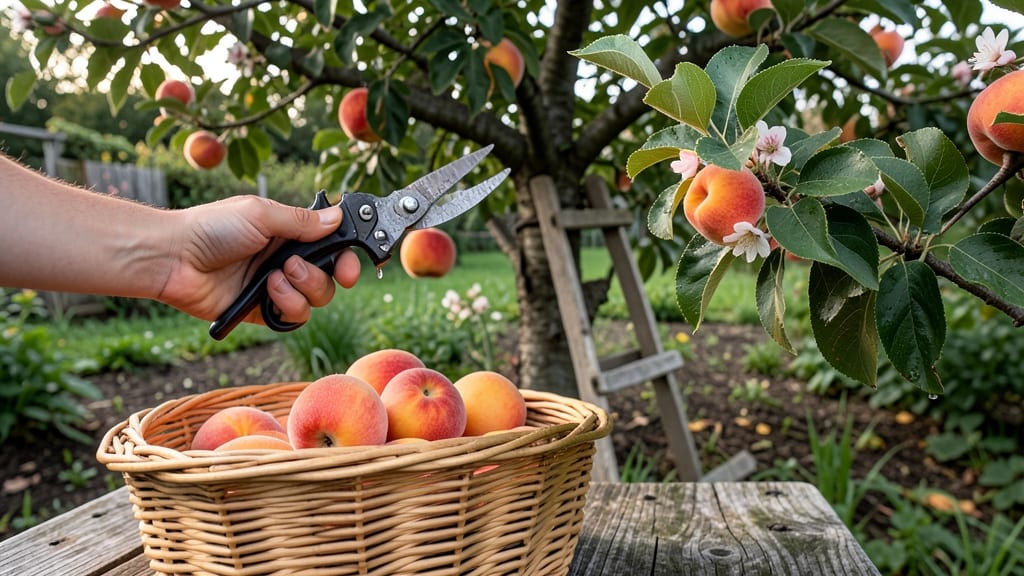
Harvesting nectarines at the right time means the difference between bursting sweetness and a mealy, flavorless bite—so timing matters more than you think.
Picking too early means bland, underripe fruit, but waiting too long risks overripe disappointment. The key? Mastering these 3 foolproof ripeness tests so you harvest your 🍑 at peak perfection every time.
From color shifts to the gentle "give" of ripe fruit, I’ll walk you through what to look for—and when—so you never miss the window. Plus, how climate and variety tweak the timing, because a July harvest in Florida isn’t the same as August in Zone 6a.
Ready to turn your nectarine tree into a sweetness machine? Let’s get into the simple tests that’ll have you picking fruit at its absolute best.

3 Visual and touch tests to determine nectarine ripeness perfectly
Harvesting nectarines at the perfect moment transforms your fruit from tart and firm to juicy and sweet. The challenge? Many gardeners guess based on calendar dates or size alone—both methods often lead to disappointment.
Instead, focus on these three simple tests that reveal ripeness without any special tools. I’ve used these same techniques for years in my own orchard, and they’ve never failed me.
Nectarines, like their peach cousins, ripen unevenly across the tree, so checking individual fruit is essential. The good news? These tests take just seconds each and require nothing but your hands and eyes.
Whether you’re dealing with early-season varieties or late-blooming trees, these methods work in hot climates and cooler regions alike. Let’s dive into the first test—it’s the easiest and most obvious clue.
- 1. Color Check: Look for full, even color—no green patches. Varieties like 'Fantasia' turn golden, while 'Redhaven' develops deep red blushes.
- 2. Stem Twist: Gently twist the fruit at the stem. If it snaps cleanly (not pulls), it’s ready. Resistance means wait 1-3 more days.
- 3. Gentle Pressure: Press your thumb near the stem. A slight give (like pressing a ripe peach) signals peak ripeness. No give? Too firm. Too soft? Overripe.
The color test is your first line of defense, but don’t rely on it alone—some nectarines hold onto green hues even when ripe. For example, my 'Summergrand' nectarines often stay green-tinged until they’re nearly overripe if I don’t check the other two signs.
Always cross-reference with the stem twist test, which is surprisingly reliable. I’ve seen fruits that looked perfect by color but refused to separate from the branch—those were still weeks away from ripeness.
Here’s where many gardeners trip up: assuming a slightly soft texture means overripe. In reality, nectarines should yield just enough to dent with gentle pressure—about 1/4 inch give. To test, use your thumb and index finger to press near the stem.
If the fruit springs back immediately, it’s not ready. If it leaves a noticeable indentation, it’s past its prime. The ideal texture is firm but yielding, like a perfectly ripe avocado.
Climate plays a sneaky role in ripening timing. In hot, dry regions like California’s Central Valley, nectarines often ripen 2-3 weeks earlier than in cooler Pacific Northwest climates. Last summer, my neighbor in Zone 9 harvested in early July, while my Zone 7 trees didn’t peak until mid-August.
Track your local harvest windows by observing nearby trees or checking county extension service records. This context helps you adjust your 3-test routine accordingly.
One common mistake I see? Harvesting based on fruit size alone. A nectarine can be the perfect size but still hard as a rock inside. Size matters less than the three ripeness tests combined.
For instance, my 'Autumn Grand' variety produces large fruit that stays firm until late September—ignoring the color and texture would mean waiting far too long. Always prioritize these visual and tactile cues over assumptions about growth stages.
For tree-ripened nectarines, timing is everything. If you harvest too early, you’ll end up with mealy, flavorless fruit that lacks the signature sweetness. Wait too long, and the flesh becomes grainy and unappetizing. The sweet spot?
When all three tests align—full color, clean stem separation, and gentle yield. This harmony ensures you’re picking at the peak of flavor and texture, whether you’re eating fresh or preserving for later.
If you’re still unsure, here’s a bonus trick: sniff the fruit. A ripe nectarine emits a sweet, floral aroma near the stem. Unripe fruit smells bland or slightly green.
This scent test works especially well for blushed varieties like 'Redgold', where color changes can be subtle. Combine this with the other tests, and you’ll never second-guess your harvest again.
Remember: nectarines do not ripen further after picking like bananas do. Once harvested, their sugars and textures remain static. That’s why these tests are non-negotiable. Whether you’re growing 'Flamecrest' in Florida or 'Starking Delight' in New York, mastering these three methods guarantees a perfectly timed harvest every season.
Now grab your basket—your tree’s ready to share its sweetest secrets.
How climate and variety affect nectarine harvest timing
If you’ve ever wondered why your neighbor’s nectarines are ready to pick in late June while yours aren’t ripe until mid-August, the answer lies in climate and variety.
Southern growers enjoy a 2-3 week head start on northern gardeners thanks to longer growing seasons, while heatwaves or cool spells can shift harvest windows unpredictably. Even within the same region, some early-season varieties like 'Redhaven' may ripen weeks before 'Fantasia' hits peak sweetness.
Understanding these factors helps you plan your harvest and avoid disappointment. For example, in Zone 9 (California or Arizona), nectarines often ripen by late June to July, while in Zone 6 (Midwest or Northeast), the window stretches from mid-July to early August.
Even a single late spring frost can delay ripening by 10-14 days, so keep an eye on your local frost-free date.
Heatwaves accelerate ripening, but they can also cause fruit to split or lose flavor. Conversely, cool, cloudy summers slow down the process, sometimes extending the harvest by 3+ weeks. If you’re in a transition zone (Zone 7-8), expect a gradual ripening period where some fruit may be ready while others lag behind. This is why mixed varieties on one tree can create a staggered harvest—a gardener’s dream for fresh fruit over weeks, not days.
| Region/Zone | Typical Harvest Window | Key Varieties | Climate Impact |
|---|---|---|---|
| Zone 9 (CA, AZ) | Late June - July | 'Redgold', 'Flordagold' | Hot, dry summers speed ripening |
| Zone 8 (TX, GA) | Early July - Early August | 'Fantasia', 'Summergrand' | Humidity can delay slightly |
| Zone 7 (TN, VA) | Mid-July - Late August | 'Redhaven', 'Stark Red' | Cool nights slow ripening |
| Zone 6 (MO, NY) | Late July - Early September | 'Big Top', 'Cresthaven' | Frost risk extends window |
If you’re growing multiple nectarine varieties, note that early-season types like 'Redgold' may ripen 3-4 weeks before late-season picks like 'Fantasia'. This means you’ll need to monitor each branch separately—some fruit may be ready while others are still firm.
To stay organized, label branches or use a harvest journal to track ripening progress. Pro tip: Shade cloth can delay ripening by 5-7 days if you’re facing an early heatwave.
Extreme weather throws a wrench into even the best-laid plans. A sudden heatwave can cause nectarines to ripen in just 10 days, while a prolonged cool spell might stretch your harvest by 2+ weeks.
In my Zone 7 garden, a June heatwave once sent my 'Redhaven' nectarines to peak ripeness a week early, forcing me to harvest faster than planned.
Conversely, a cool, rainy July in Zone 6 can leave fruit hanging well into September—so always have a backup plan for storage or processing.
For the most reliable harvest timing, choose varieties suited to your climate. Southern gardeners should opt for heat-tolerant types like 'Flordagold', while northern growers may prefer hardier varieties like 'Cresthaven'. And remember: Thin fruit early to avoid overcrowding, which can lead to smaller, underripe nectarines.
With the right variety and a little climate awareness, you’ll turn your tree into a sweet, predictable harvest machine every season. 🍑