
Vegetables
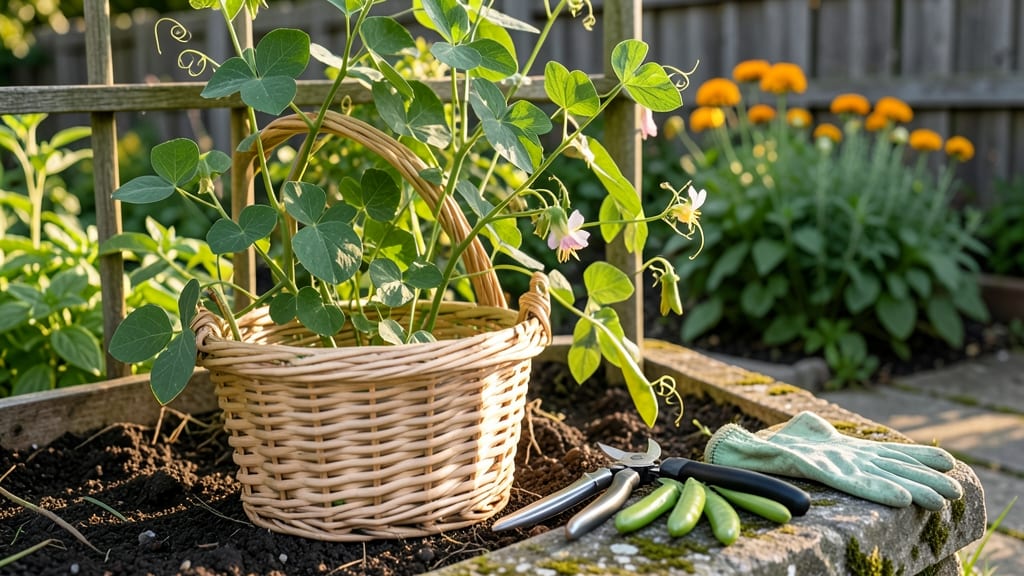
Harvesting peas at the right time means catching them when they're sweet, tender, and packed with flavor—before they turn tough and stringy.
Picture this: you've waited 60-70 days for those first pods to form, and now the clock is ticking. Miss the window, and those crisp, vibrant peas you've been dreaming of will turn into something closer to a chewy, flavorless disappointment.
The key? Knowing exactly when those pods are ready to pick—before the seeds inside bulge or the shells toughen up.
For most varieties, peas are ready when pods are about 2-2.5 inches long, firm to the touch, and just starting to show their seeds through the shell. But timing isn’t just about size—it’s also about the season.
Early spring plantings in Zone 6a might need a little more patience, while late-summer varieties could rush to maturity faster. The trick is checking them daily once they start forming, because once those peas overripe, they’re done for the season.
In this guide, I’ll walk you through the visual cues that scream "harvest me now," how often to pick for maximum yield, and the common mistakes that turn great peas into garden flops.
By the end, you’ll know exactly when to snip those pods—so you can enjoy the sweetest, freshest peas straight from your garden.

Signs your peas are ready for harvest: visual cues to watch
Knowing when to harvest peas can transform your garden from a sea of green to a bounty of sweet, crisp pods. The key lies in observing three visual cues: pod size, shell color, and seed development.
Each type of pea—snap peas, shelling peas, and snow peas—has its own ideal moment, but the principles remain consistent.
For most gardeners, the 60-70 day mark after planting signals the harvest window. However, relying solely on days misses the magic. Instead, focus on the pod's physical traits, which reveal whether your peas are at their peak.
Skipping this step means risking tough, fibrous pods or overly mature seeds that lose their sweetness.
| Pea Type | Pod Size | Shell Color | Seed Visibility | Crack Test |
|---|---|---|---|---|
| Snap Peas | 2-2.5 inches | Bright green | Seeds visible but small | Pod snaps cleanly |
| Shelling Peas | 2-3 inches | Green to gray-green | Seeds filling pod but not bulging | Stem snaps near base |
| Snow Peas | 1.5-2 inches | Light green | Seeds tiny, barely visible | Pod bends easily |
Let’s start with pod size, the easiest cue to spot. For snap peas, aim for pods that are 2-2.5 inches long—any shorter, and they’ll be too small and underdeveloped. Shelling peas should reach 2-3 inches, while snow peas mature slightly smaller at 1.5-2 inches.
Measure a few pods to confirm consistency across your plants.
The shell color offers another clue. Fresh pods should be a vibrant bright green for snap peas, while shelling peas may turn a gray-green as they mature. If the shell looks dull or yellowing, your peas have overstayed their welcome.
Pay close attention to the seams—they should remain crisp and unbroken, not wrinkled or splitting.
Next, check for seed visibility through the pod’s translucent shell. For snap peas, you’ll see tiny seeds just beginning to form. In shelling peas, the seeds should be plump but not bulging, filling about half the pod’s length.
If seeds are overly large or pressing against the shell, the peas have passed their prime and will taste starchy rather than sweet.
My favorite trick? The crack test. Gently snap a pod between your fingers—if it breaks cleanly (for snap peas) or the stem snaps near the base (for shelling peas), it’s ready.
A pod that bends without snapping or feels mushy needs more time. This test works best in the morning, when pods are firmest after a night’s rest.
Don’t overlook the time of day when harvesting. Always pick peas in the cool morning hours, ideally between 6 AM and 9 AM. This ensures you’re harvesting at their peak freshness and firmness.
Avoid picking in the heat of the afternoon, as pods can become flaccid and less flavorful.
For continuous harvests, focus on picking every 2-3 days during peak production. This encourages your plants to produce more pods, extending your harvest window by 2-4 weeks.
If you notice pods stopping production or turning woody, it’s time to let the plants flower and seed naturally, saving seeds for next year’s garden.
One common mistake is assuming all peas mature at the same rate. Dwarf varieties may ripen 1-2 weeks earlier than climbing types, so monitor each plant individually.
If your garden includes a mix of early and late varieties, start harvesting the earliest maturing pods first to avoid a mixed batch of overripe and underripe peas.
Finally, store harvested peas properly to preserve their crispness and sweetness. Place them in a perforated bag in the crisper drawer of your fridge, where they’ll stay fresh for 3-5 days.
For longer storage, try the ice bath trick: soak pods in ice water for 10 minutes before refrigerating to slow down spoilage.
How often to harvest peas for maximum yield and sweetness
Harvesting peas at the right frequency keeps your plants producing sweet, tender pods instead of letting them turn tough and woody. For shelling peas like 'Lincoln' or 'Alaska', you should pick every 2-3 days—this encourages more flowers and pods to form.
Snap peas like 'Sugar Snap' or 'Oregon Sugar Pod' are a little more forgiving, so you can stretch it to once a week without sacrificing quality.
Why the difference? Shelling peas have a shorter window between readiness and over-maturity. If you wait too long, those plump, sweet peas inside will start filling out the pod, making the shells tough and the peas less flavorful.
Snap peas, on the other hand, can handle a little more time on the vine before they turn stringy.
Here’s the secret to keeping your pea harvest going all season: the 'harvesting ladder' technique. As your plants mature, new pods will form at different heights.
Instead of bending over or risking soil-borne diseases by letting pods touch the ground, use a small ladder or step stool to reach higher pods. This also keeps air circulating better, reducing the risk of fungal issues like powdery mildew.
- Shelling peas: Harvest every 2-3 days to keep pods tender and sweet. Pods should be 2-2.5 inches long and firm.
- Snap peas: Pick once a week—they can handle slightly longer on the vine without losing quality.
- Check daily once pods start forming. Overripe peas won’t produce more—they’ll just toughen up.
- Use a ladder to avoid soil contact. This extends the season and cuts disease risk.
- Morning harvests are best. Pods are crispest and coolest after the night air.
If you’re growing dwarf varieties like 'Tom Thumb', you might not need a ladder, but even these benefit from regular checks. Dwarf peas often produce pods closer to the ground, making them more susceptible to soil-borne diseases if left unharvested.
Always pick with clean, sharp scissors or your fingers—twisting pods can damage the plant.
One common mistake is thinking that harvesting too often will stress the plant. But peas are resilient! They’ll bounce back with more flowers and pods if you keep up with the harvest. Just avoid pulling the entire plant—always leave some pods to mature naturally so the plant can continue producing.
For a prolonged harvest, succession plant every 2 weeks in early spring. This ensures a steady supply of fresh peas instead of a single massive flush. And if your season is short, focus on fast-maturing varieties like 'Little Marvel'—they’ll give you pods in as little as 55 days.