
How To
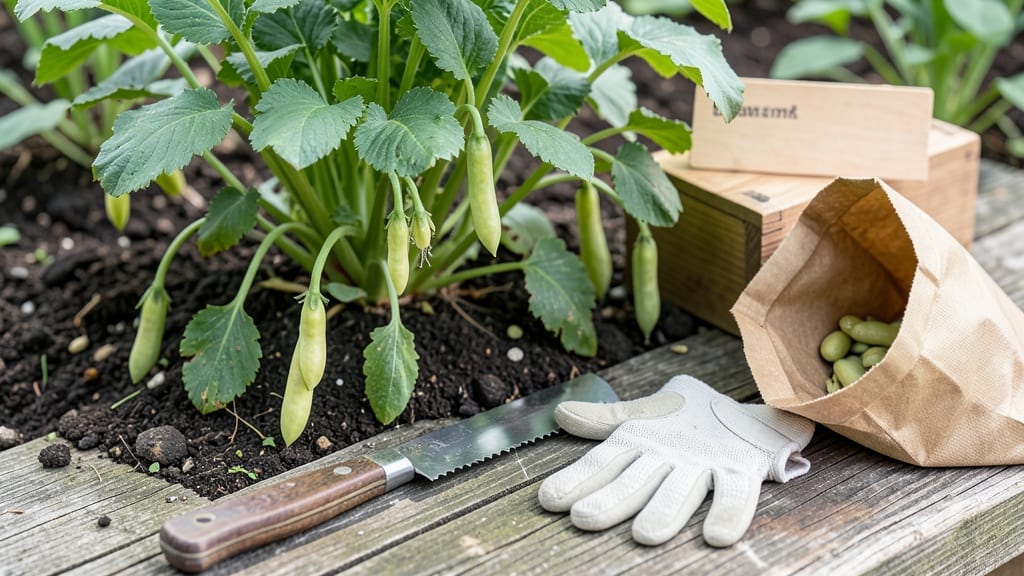
Harvesting radish seed pods at the right time ensures you get plump, viable seeds instead of empty husks 🥕—and the moment arrives when pods turn dry-brown and crack open naturally.
If you’ve ever grown radishes only to watch their seed pods shrivel or explode before you could harvest them, timing is the key to success. One wrong day in the field means losing your entire seed crop to weather, pests, or over-ripeness.
Radishes thrive in USDA Zone 6a, where the ideal window stretches from late summer into early fall—think September to October. But the real signal isn’t the calendar; it’s the pods themselves: they’ll rattle when shaken, split open, and turn a rich, papery brown.
Below, I’ll walk you through how to spot those perfect pods, when to act (and when to wait), and the simple steps to save your seeds for next year’s garden—no guesswork included.

How to identify when radish seed pods are ready for harvest
Radish seed pods are ready for harvest when they turn dry and brown, signaling the seeds inside are fully mature. Unlike edible radishes, these seed pods won't be harvested for food—they're the key to saving seeds for next year's garden.
The moment you see papery, cracked pods, it's time to act before seeds scatter or lose viability.
Timing is everything with radish seed pods. Harvest too early, and the seeds won't germinate well. Wait too long, and the pods may explode or shatter, sending seeds everywhere. Pay attention to three key visual cues—pod color, texture, and sound—to know exactly when to harvest.
| Harvest Cue | What to Look For | Action Required |
|---|---|---|
| Pod Color | Dry, brown pods (no green) | Harvest immediately |
| Texture | Papery and brittle | Gently twist pods off |
| Sound | Rattling when shaken (seeds inside) | Collect pods in paper bags |
| Cracks | Natural splits along seams | Harvest before seeds scatter |
| Leaves | Yellowing or drying foliage | Harvest pods ASAP |
One of the most reliable signs is when the seed pods rattle when shaken. This indicates the seeds inside are fully formed and ready for collection. I always test this by gently shaking a pod over a paper bag—if seeds drop out easily, it's harvest time.
Environmental factors also play a role. In dry, sunny weather, pods mature faster. If you're in a humid climate, pods may stay green longer. Watch for morning dew drying off—this is when pods are at their crispest for harvest.
Don’t wait until pods explode open on their own. Once they split, seeds scatter, and you risk losing your harvest. I’ve learned the hard way—harvest early when you see the first signs of browning, even if not all pods are ready.
Another key indicator is the seed color inside the pods. Mature radish seeds are dark brown or black, not pale or green. If you crack open a pod and see underdeveloped seeds, wait a few more days before harvesting.
For regional adjustments, gardeners in cooler climates (USDA Zones 3-5) may need to extend the growing season with row covers. In warmer zones (7-10), pods mature faster—sometimes in as little as 4-6 weeks after flowering.
Once you’ve harvested the pods, let them dry for an additional 1-2 weeks in a well-ventilated area. This ensures seeds are fully mature and ready for storage. Store them in a cool, dry place for up to 3 years.
If you miss the harvest window, don’t worry—radishes are self-pollinating, so even if pods crack, you can still collect seeds. Just spread a paper bag under the plant to catch any scattered seeds.
Step-by-step guide to harvesting and storing radish seeds
Now that you’ve identified your dry, brown radish seed pods, the next critical step is harvesting them properly to preserve seed viability. Use a clean, sharp pair of scissors or your fingers to avoid damaging the pods—gently twist them off the stem at the base.
Place pods immediately in a paper bag (not plastic) to allow airflow and prevent moisture buildup.
Timing matters even after harvest: wait 1-2 weeks to let pods fully dry indoors. Spread them out on a tray lined with newspaper in a warm, dry spot (like a sunny windowsill). Avoid direct sunlight, which can overheat and damage seeds. Stir them occasionally to ensure even drying.
- 1 Harvest pods when dry and brown, twisting gently from stems. Place in paper bags immediately.
- 2 Dry pods for 1-2 weeks on newspaper-lined trays in a warm, dry spot. Avoid direct sunlight.
- 3 Remove seeds by rubbing dried pods between your fingers over a white bowl. Discard empty husks.
- 4 Store seeds in airtight envelopes labeled with the variety and date. Keep in a cool, dark place for up to 3 years.
After pods are completely dry, remove seeds by gently rubbing them between your fingers over a white bowl. This helps separate viable seeds from chaff. Discard any pods that feel hollow or contain only dust—these won’t produce healthy seedlings.
For best results, store seeds in paper envelopes labeled with the variety name and harvest year.
Common mistakes like using plastic containers for storage or storing seeds in humid conditions can reduce viability. Instead, opt for glass jars with silica gel packets or paper envelopes in a sealed tin.
Test a small batch of seeds annually by planting them—if germination drops below 80%, replace your seed stock.
Pro tip: Label everything immediately. I once mixed up radish seeds with turnip seeds and ended up with a confusing harvest! Use a permanent marker on envelopes or small tags tied to jars. Store seeds in a cool pantry or refrigerator (not the freezer) to maintain freshness.
With these steps, you’ll have viable radish seeds ready for next season’s garden—no wasted effort or lost harvests! 🌱