
Planting
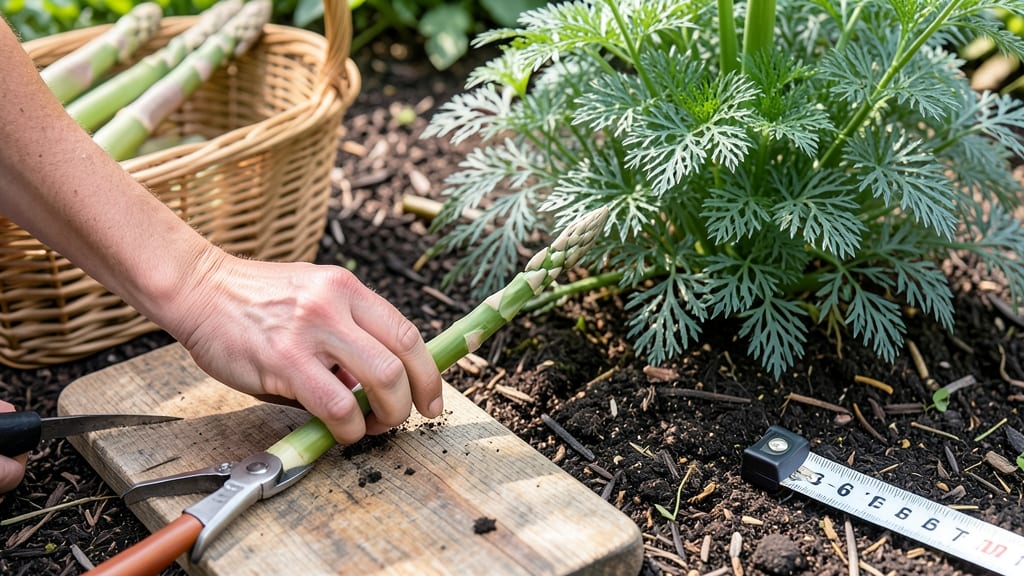
Harvesting asparagus at the right time after planting ensures tender, sweet spears every year 🌱 — and skipping this step means tough, bitter stalks that ruin dinner.
Picture this: you’ve waited patiently for those first bright green shoots to poke through the soil, only to wonder, "Is it too early to cut?" The answer isn’t just about the calendar—it’s about spear thickness, soil warmth, and even the stage of your plant’s life.
Get it wrong, and you’ll either stifle next year’s harvest or end up with woody, overmature spears that taste like disappointment.
In this guide, I’ll walk you through the exact moment to harvest asparagus—from the ideal spear thickness (that’s ½ to ¾ inch) to seasonal cues like soil temperature and bud formation.
You’ll also learn how to avoid the three biggest mistakes that turn your asparagus into a flavorless mess, plus how to extend your harvest for weeks longer than most gardeners dare.
By the end, you’ll know not just when to harvest, but how to do it so your asparagus patch keeps delivering year after year—no guesswork, no wasted effort. Let’s get those spears perfect.

How to identify the perfect asparagus spear thickness for harvesting
Harvesting asparagus at the right spear thickness ensures tender, flavorful spears every time. The ideal diameter range is between 1/2 to 3/4 inch—this is when the texture is crisp and the flavor is sweetest.
If you wait too long, those spears turn woody and tough, ruining your meal. I’ve learned the hard way that patience pays off in the garden!
To determine the perfect harvest-ready spear, focus on two key visual cues: bud formation and spear diameter. The spear should be 6-8 inches tall with a tightly closed tip—this means it’s still in its edible phase.
When the buds start to open or the spears exceed 3/4 inch in diameter, they’re past their prime. Think of it like catching a fish at the perfect size—too small, and it’s not worth it; too big, and it’s tough!
Here’s a quick trick I use: Grip the spear gently near the base. If it feels firm and snaps cleanly when bent slightly, it’s ready. If it bends without breaking or feels spongy, it’s not quite there yet.
This simple test saves me from harvesting spears that won’t meet my standards. Trust your touch—it’s your best tool!
Now, let’s talk about spear thickness in more detail. A spear that’s too thin (under 1/2 inch) is still developing and lacks flavor, while one that’s too thick (over 3/4 inch) becomes fibrous and bitter.
The sweet spot balances size and maturity, giving you the best of both worlds. I always aim for spears that are about the width of a pencil—this is my go-to benchmark.
One of the biggest mistakes I see in gardens is overharvesting young plants. Asparagus is a perennial crop, meaning it comes back year after year, but it needs time to establish a strong root system.
In the first year, avoid harvesting entirely—let the plant focus on building roots. In year two, limit harvests to 4-6 weeks during the peak season. This gives your asparagus time to recover and ensures a bountiful harvest for years to come.
Timing your harvests also depends on soil temperature. Asparagus spears emerge when the soil reaches 55°F or warmer. If you’re in a cooler climate, like Zone 5 or 6, you might see spears later in the season compared to warmer zones.
I always check the soil temp with a thermometer to avoid rushing the harvest. Patience here prevents stressing the plant and ensures quality spears.
When harvesting, always cut spears at soil level with a sharp knife or shears. Never pull them from the ground—this can damage the crown and reduce future yields. I like to harvest in the morning when spears are crispest.
After cutting, store them upright in a container with 1 inch of water in the fridge to keep them fresh for up to a week. This simple step extends their shelf life and keeps them tasting fresh!
If you’re unsure whether to harvest a spear, ask yourself: Is it the right thickness? Are the tips closed? Does it feel firm? If the answer is yes to all three, go ahead and harvest.
If not, wait a day or two. Over time, you’ll develop an eye for the perfect spear, and your asparagus patch will thank you with years of delicious harvests. Happy gardening!
Remember, the key to long-term asparagus success is balance. Harvest wisely, and your plants will reward you with tender spears for decades. Start small, pay attention to those visual cues, and soon you’ll be the envy of the neighborhood with your perfect asparagus harvests! 🌱
Seasonal harvesting timeline: when to cut asparagus by plant age and climate
Harvesting asparagus at the right time ensures tender spears and a longer productive life for your plants. The timing varies dramatically between first-year plants and mature asparagus, plus your local climate zone plays a huge role.
In cold climates, harvests start later, while warm zones may enjoy an earlier season.
Asparagus crowns take 2-3 years to reach full productivity, so patience is key. The first harvest typically happens in year 2, with peak production in years 3-5. Meanwhile, soil temperature (ideally 50°F+) triggers spear emergence, making early spring the prime window for most regions.
| Plant Age | Harvest Window | Cold Climates (Zones 3-6) | Warm Climates (Zones 7-10) | Key Cue |
|---|---|---|---|---|
| Year 1 | None (foliage only) | Focus on soil prep | Focus on soil prep | 🌱 Crown establishment |
| Year 2 | Late May-July | Wait for soil 50°F+ | March-April | ✂️ 6-8" spears |
| Years 3-5 | April-June | Harvest 8-10 weeks | February-May | 📅 3-4 spears/plant |
| Years 6+ | March-July | Extend with mulch | January-June | 🌿 Foliage regrowth |
In cold climates, asparagus often waits until late May or June to produce harvestable spears, while warmer zones like California or Florida can start as early as February. The key is watching for soil temperatures—spears won't emerge until the ground warms to at least 50°F (10°C).
To extend your harvest season, use black plastic mulch in early spring to warm the soil faster, or plant early-maturing varieties like 'Mary Washington' for a longer window. In hot climates, shade cloth can prevent spears from becoming tough before you harvest them.
Never harvest more than 20% of spears in the first year, and stop harvesting when spears get thicker than 3/4 inch—this signals the plant to shift energy to foliage. Let the fern-like leaves grow to feed the roots for next year's crop.
Pro tip: Mark your harvest start date each year—this helps you predict when spears will emerge in future seasons. With the right timing, you can enjoy fresh asparagus for 6-8 weeks annually!