
How To
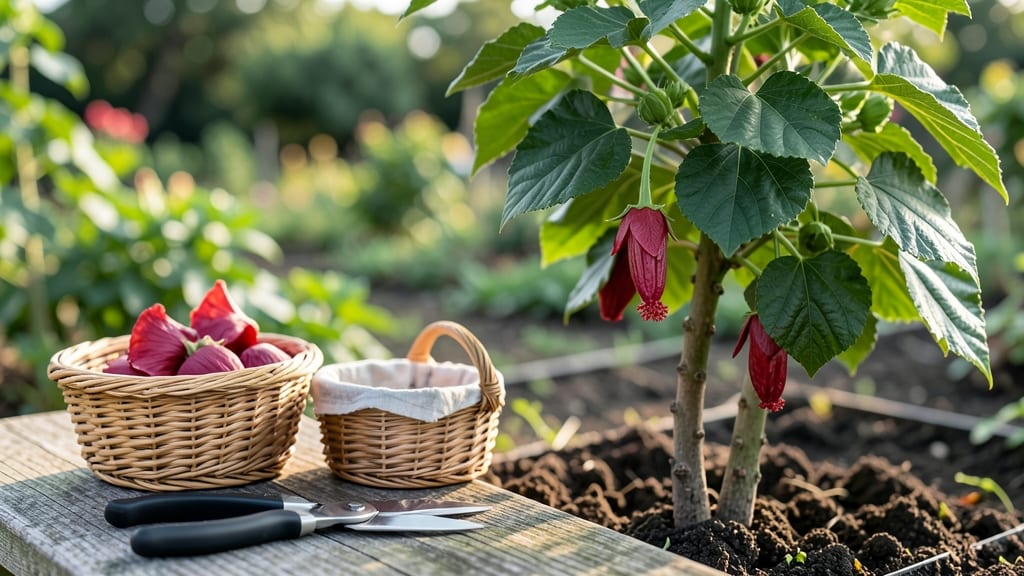
Harvesting roselle calyx at the right time ensures the deepest flavor and vibrant color, but timing it wrong means bitter, tough buds instead of the sweet, tender harvest you want.
Picture this: you’ve nurtured your roselle 🌺 for months, and now the moment is here—how do you know when to pluck those calyces? The answer lies in their color, texture, and even the way they feel in your hand. One wrong cut, and you’ve lost the peak of the season.
Most gardeners wait until the calyces turn a rich, deep red, but there’s more to it than just color. Humidity, temperature, and even the time of day can shift when your roselle is truly ready.
Below, I’ll break down the three key stages to watch for, plus how to handle them once they’re in your basket.
By the end, you’ll never second-guess when to harvest again—just a few simple tricks to maximize your yield and keep your kitchen stocked with homegrown goodness all season.

Roselle calyx harvesting by color: 3 stages for optimal flavor and texture
Harvesting roselle calyx at the perfect color stage transforms a simple garden task into a flavor and texture game-changer. The three distinct color phases—green, yellow-green, and deep red—each offer unique qualities that impact how you use them.
Understanding these stages lets you maximize nutrient content, avoid bitterness, and unlock the full potential of this tropical superstar. Let’s dive into how to spot each stage and why timing matters.
First, the green stage is all about potential, not perfection. These calyces are firm, crisp, and packed with raw nutrients but lack the depth of flavor you’ll find later. They’re best suited for raw applications like salads or stir-fries where you want that fresh, slightly tart bite.
However, harvesting too early means missing out on the richer compounds that develop as they mature.
Next comes the yellow-green transition phase, where things get interesting. This is the sweet spot for versatility—calyces here strike a balance between crispness and developing sweetness. They’re ideal for light cooking methods like steaming or quick sautéing, where you want to preserve some texture while letting flavors meld.
If you’re drying calyces for tea, this stage often yields the most aromatic results.
| Stage | Color | Size | Texture | Flavor Profile | Best Uses |
|---|---|---|---|---|---|
| Green Stage | Bright green | 2-3 inches | Firm, crisp | Tart, slightly bitter | Raw salads, stir-fries |
| Yellow-Green | Yellow-green | 3-4 inches | Slightly soft | Balanced sweet-tart | Steaming, sautéing, tea |
| Deep Red | Vibrant red/purple | 3.5-4.5 inches | Soft, tender | Deep, fruity, sweet | Soups, jams, long cooking |
The deep red stage is where roselle truly shines—literally. At this point, the calyces are rich in anthocyanins, the antioxidants that give them their vibrant hue and contribute to their deep, fruity flavor.
This is the stage for longer cooking methods like soups, stews, or jams, where the texture softens beautifully. If you’re drying calyces for storage, this stage ensures the most intense color and flavor retention.
To avoid overripe calyces, watch for petal curling and a slight stem softness. Overripe calyces may feel mushy and develop a hollow sound when tapped—these are past their prime and best composted.
Always harvest in the morning after dew has dried to preserve moisture and quality. Use clean, sharp pruning shears to cut stems just above a leaf node to encourage more growth.
Regional variations can slightly alter timing—cooler climates may take 2-3 extra weeks to reach the deep red stage compared to tropical areas. If you’re in USDA Zone 6 or below, start harvesting in late September and continue until the first frost.
In warmer zones, you might extend harvesting into November. Always prioritize consistent color over calendar dates for the best results.
Pro tip: Freeze a few calyces from each stage to compare flavors later. This hands-on approach helps you develop your own preferences and refine your harvesting strategy. Whether you’re growing roselle for culinary adventures or medicinal teas, mastering these color stages ensures every harvest is a flavor victory.
Remember, the key to success is patience and observation. Spend a few minutes each morning scanning your plants for the perfect color cues. With practice, you’ll train your eye to spot the ideal moment—turning your roselle harvest from good to exceptional. Happy harvesting! 🌺
Common harvesting mistakes that reduce roselle yield and quality
Even with perfect roselle plants thriving in your garden, a few simple harvesting mistakes can turn your bounty into bitter disappointment. Over-eager picking or ignoring subtle visual cues often leads to wasted effort and reduced quality.
I’ve seen roselle growers lose up to 40% of their yield by making these common errors—let’s fix that today.
One of the biggest pitfalls is harvesting too early or too late. Green calyces taste harsh and lack the rich, tangy flavor you crave, while overripe ones become mushy and prone to mold.
Even the cutting technique matters—using dull shears or pulling instead of snipping can damage the plant and future blooms.
⚠️ CRITICAL WARNING: When to Harvest Roselle Calyx
Harvesting at the wrong stage ruins flavor and texture. Always pick when:
- 🟣 Calyx turns deep red/purple (no green remaining)
- 🤏 Firm but slightly soft when gently squeezed
- 🌸 Petals begin curling outward (but haven’t opened fully)
Avoid these mistakes:
- ❌ Harvesting green calyces (bitter, underdeveloped)
- ❌ Letting calyces fully open (seeds form, reducing quality)
- ❌ Using dull tools (crushes stems, invites disease)
Another common mistake is over-harvesting from a single plant. Roselle needs time to recover between harvests—if you strip too many calyces at once, the plant becomes stressed and produces fewer blooms. I recommend leaving at least 3-4 mature calyces per branch to ensure continuous production throughout the season.
Environmental factors also play a sneaky role in reducing quality. High humidity levels during harvest can cause calyces to rot before you even pick them, while pests like aphids can weaken plants and stunt growth. Always inspect your plants for signs of infestation before harvesting—early intervention saves your entire crop.
Even the time of day matters. Harvesting in the early morning (before 9 AM) ensures calyces are fully hydrated and at their peak flavor. Afternoon heat can make them wilt faster, and evening harvests risk attracting pests drawn to the plant’s natural sugars.
To maximize your roselle yield, follow this quick harvesting checklist before each pick:
- ✅ Check for deep red/purple color (no green)
- ✅ Gently squeeze—should feel firm but slightly soft
- ✅ Look for curling petals (not fully open)
- ✅ Use clean, sharp shears (sterilize with rubbing alcohol)
- ✅ Leave 3-4 calyces per branch for regrowth
By avoiding these mistakes, you’ll enjoy vibrant, high-quality roselle for teas, jams, and stews all season long. 🌺