
Vegetables
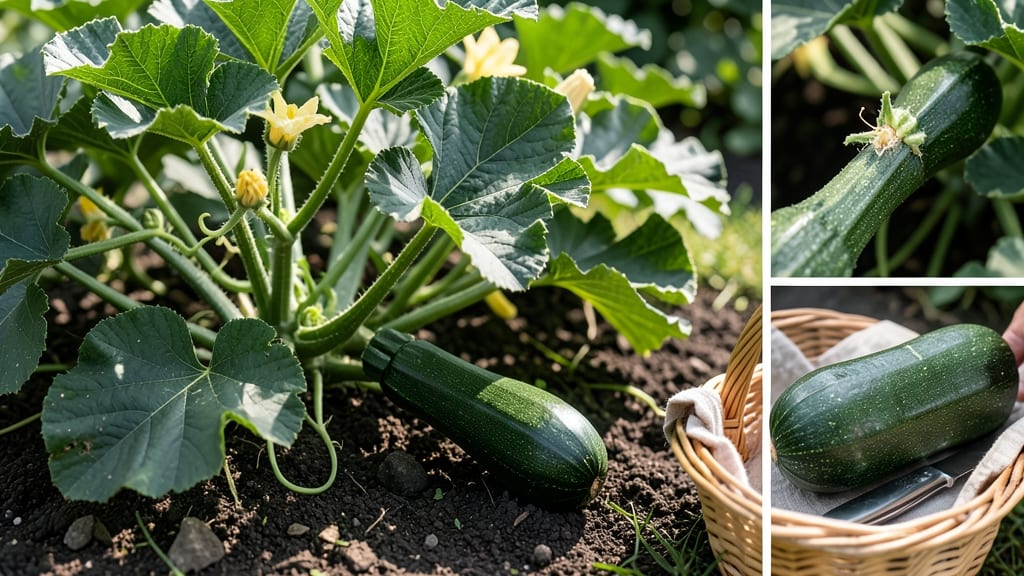
Harvesting round zucchini 🎃 when they're at their peak flavor means waiting for that perfect moment—usually between 6 and 8 inches—before they turn tough or seedy.
Here’s the catch: skip the guesswork and use three simple tactile tests to nail the timing. A quick thumb press or a peek at the blossom end can tell you whether your zucchini is ready for the kitchen—or still needs a few days on the vine.
Why does this matter? Overripe zucchini lose their tender texture and develop a bitter taste, while underripe ones lack the sweetness and firmness you crave. Mastering these cues ensures every harvest delivers the best flavor and texture.
Below, I’ll walk you through the exact signs to look for, how often to check your plants, and even how to salvage overgrown zucchini if you miss the window. No more wasted squash!
3 Tactile tests to determine round zucchini harvest readiness
Round zucchini grow faster than you might expect, and waiting too long can turn that tender summer squash into a tough, seedy disappointment. The key to perfect harvest timing lies in your hands—not just your eyes.
These three tactile tests let you assess size, firmness, and texture without needing a ruler or scale. I’ve used these methods for years, and they’ve saved me from overgrown zucchini disasters.
Why rely on touch? Because color alone isn’t always reliable—some varieties stay pale even when ripe, while others darken prematurely. The thumb rule, seed check, and blossom-end test give you concrete clues about flavor and tenderness.
Master these, and you’ll never guess again whether your zucchini is ready for the kitchen—or the compost pile.
- 1. The Thumb Rule: Press gently with your thumbnail—if skin resists slightly but doesn’t dent, it’s prime. Overripe squash will yield or feel spongy.
- 2. Seed Check: Cut a small slice near the blossom end. If seeds are tiny and soft (pea-sized), harvest now. Larger seeds mean bitter, fibrous flesh.
- 3. Blossom-End Test: Look for a yellowing stem end (where the flower was). This signals maturity. A green stem end means wait 2–3 days.
The thumb rule is my go-to because it works even in low light or with gloved hands. Simply press your thumbnail into the zucchini’s skin near the middle. If it resists but doesn’t dent, that’s your sweet spot.
This test reveals internal firmness, which directly correlates with tenderness. Pro tip: Avoid pressing near the stem—it’s thicker and can trick you into thinking the zucchini is riper than it is.
Next, the seed check is a game-changer for flavor. Zucchini seeds harden as the fruit matures, and large seeds mean bitter, woody texture. Slice open a small section near the blossom end (the bulbous end where the flower was).
If the seeds are pea-sized or smaller, harvest immediately. Seeds larger than a dime? You’ve waited too long. This test is especially critical for heirloom varieties, which can develop bitterness faster than hybrid types.
Don’t overlook the blossom-end test, a visual-tactile hybrid that’s foolproof. The end where the flower attached should turn from bright green to yellowish as the zucchini ripens. Run your fingers along this area—it should feel slightly softer than the rest of the squash.
If the stem end stays green, give it 2–3 more days. This test also helps you spot overripe zucchini, which often develop a wrinkled or leathery skin near the blossom end.
Here’s a pro move: Combine all three tests for 100% accuracy. For example, if your zucchini passes the thumb rule but fails the seed check, wait another day.
Conversely, if it’s soft to the touch but the blossom end is still green, harvest anyway—the skin texture is the most reliable indicator. I’ve learned the hard way that no single test is perfect, but using them together eliminates guesswork.
Regional variations can affect timing too. In hot climates (Zones 8–10), zucchini ripen faster—sometimes in just 40 days—so check them every 2–3 days.
In cooler zones (like my Zone 6a garden), they take 50–60 days, and I space checks to every 3–4 days to avoid missing the window. Always adjust based on your local heat and humidity.
One common mistake? Harvesting based on size alone. While 6–8 inches is the ideal length for most varieties, some compact types (like ‘Eight Ball’) mature at 4 inches.
Always cross-reference size with the tactile tests. And remember: Round zucchini grow fastest in summer, so stay vigilant—what’s ready today might be overripe by tomorrow.
Finally, trust your instincts. If a zucchini feels too soft or too firm after all tests, err on the side of caution and harvest it. You can always use slightly underripe zucchini in stir-fries or grilled dishes, while overripe ones are better for soups or bread.
The goal is peak flavor and texture, and these tactile tests put you in control.
With these three methods, you’ll never again wonder, "Is this zucchini ready?" Your hands—and your taste buds—will thank you. Now grab a knife, do the tests, and enjoy that perfect summer squash!
How often to check round zucchini for harvest (avoiding overgrowth)
Round zucchini grow at an astonishing rate—sometimes adding 1–2 inches per day during peak summer. That means what looked perfect yesterday could be overripe today. The key to avoiding bitter, seedy squash is checking them at the right intervals based on their growth stage.
I’ve learned this the hard way: skipping checks leads to wooden, inedible zucchini that’s perfect only for compost.
Your checking frequency should shift as your zucchini plants progress through three critical stages: pre-bloom, flowering, and post-pollination. Each stage demands a different approach to prevent overgrowth.
During the pre-bloom phase (weeks 1–3), when plants are still establishing vines, you can check every 5–7 days—just to monitor flower development. But once those first blooms appear, everything changes.
Here’s where most gardeners trip up: they assume a one-size-fits-all checking schedule works. In reality, your local climate dictates the pace. In hot, humid zones (8–10), I check my zucchini plants every 2–3 days starting at flowering.
In cooler Zone 6a gardens, I stretch checks to every 3–4 days once flowers appear. The rule of thumb? The faster your zucchini grows, the more often you should check.
⚠️ Warning Signs of Over-Maturity
Don’t ignore these red flags—once your zucchini shows these traits, it’s too late for peak flavor:
- Wrinkled skin near blossom end
- Seeds larger than a dime (pea-sized = perfect)
- Leathery texture when pressed
- Stem end turns brown (sign of extreme overripeness)
Post-pollination is the most critical window for harvesting. After a flower is pollinated (usually within 24–48 hours), the zucchini enters a 48–72 hour countdown to peak ripeness. This is when I switch to daily checks—especially in heatwaves.
Pro tip: Use a marked garden twine tied around the stem to track growth. If the zucchini grows past your target size (usually 6–8 inches) within 24 hours, it’s time to harvest immediately.
Even with perfect timing, you might still end up with an overgrown zucchini. Don’t toss it! These oversized squash can be salvaged by peeling the skin (which becomes tough) and using the flesh in bread, soups, or roasted dishes.
I’ve turned 12-inch monsters into delicious zucchini bread—just remove the seeds and blend the flesh with eggs and flour. The key is acting fast: the sooner you harvest after noticing overgrowth, the better the texture remains.
Remember: consistency is your best tool. Set a reminder or tie ribbons on stems to flag ready-to-harvest zucchini. I use bright green ribbons for "check tomorrow" and yellow ribbons for "harvest today."
This visual system has saved me from bitter zucchini disasters more times than I can count. With this schedule, you’ll never again wonder if your zucchini is ready—or too late.