
Plants
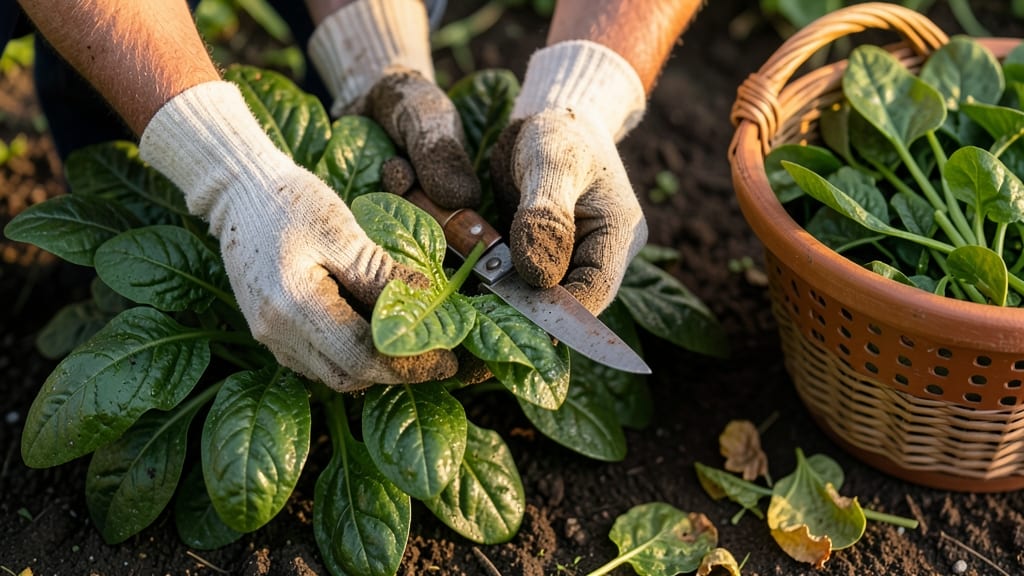
Harvesting spinach plants at the right time ensures tender, flavorful leaves 🌱—and missing the window turns them tough and bitter in a matter of days.
Picture this: you’ve nurtured your spinach for weeks, only to pull leaves that taste like cardboard. That’s the cost of waiting too long—or harvesting too soon. The key lies in leaf size, flavor cues, and even the time of day you pick.
In cooler climates like Zone 6a, aim for 4–6 inch leaves in spring or fall, while warmer regions can stretch that window slightly. But here’s the secret: the sweetest spinach often comes just before bolting, when the stems snap easily and the aroma is unmistakably fresh.
Below, I’ll break down the exact conditions—temperature, maturity, and even morning vs. afternoon harvests—to guarantee your spinach stays at its peak. No more wasted effort, just homegrown perfection.

Spinach harvest timing by leaf size & growth stages
Timing your spinach harvest correctly means the difference between tender, sweet leaves and tough, bitter ones. Most gardeners focus on leaf size and growth stages, but environmental factors like temperature and day length also play a role.
For the best flavor and texture, aim to harvest when leaves reach 3 to 6 inches in length, depending on your variety.
Spinach grows in two distinct phases: the baby leaf stage (30-40 days) and the mature leaf stage (45-60 days). Baby leaves are perfect for salads and microgreens, while mature leaves work well for cooking. Understanding these stages helps you balance yield and flavor without sacrificing quality.
Here’s a quick reference for identifying the perfect harvest window based on leaf size and growth cues:
| Growth Stage | Leaf Size | Days to Harvest | Harvest Method | Best For |
|---|---|---|---|---|
| Baby Leaves | 1-3 inches | 30-40 days | Snip outer leaves | Salads, microgreens |
| Mature Leaves | 4-6 inches | 45-60 days | Cut entire plant or outer leaves | Cooking, sautéing |
| Over-Mature | 6+ inches | 60+ days | Avoid (bitter, tough) | Discard or compost |
For baby spinach varieties like 'Baby’s Leaf Hybrid' or 'Tyee,' harvest when leaves are 1 to 3 inches long. These varieties are bred for early harvests and tender texture. Use clean scissors or pruning shears to snip leaves at the base, leaving the rest of the plant to regrow.
Mature spinach varieties such as 'Bloomsdale Long Standing' or 'Giant Winter' should be harvested when leaves reach 4 to 6 inches. At this stage, the leaves are thick enough for cooking but still tender.
To encourage continuous growth, always harvest outer leaves first, allowing the inner leaves to mature.
If you wait too long, spinach leaves will become tough and bitter, especially in warm weather. This happens because the plant starts to bolt (send up a flower stalk), shifting its energy from leaf production to seed development.
To avoid this, harvest regularly and keep plants well-watered during hot spells.
In cooler climates, spinach can handle light frosts, which actually enhance sweetness. If a frost is forecasted, harvest before temperatures drop below 25°F (-4°C). In warmer regions, focus on harvesting in the early morning when leaves are most tender and hydrated.
Pro tip: Always check leaves for tenderness and bright green color before harvesting. If the stem snaps easily when pulled gently, the leaf is ready. If it resists, wait a few more days. This simple test saves you from harvesting leaves that are past their prime.
Balancing yield and flavor is all about timing. By following these guidelines, you’ll enjoy a steady supply of fresh, delicious spinach all season long—without the bitterness or toughness that comes from harvesting too late.
Flavor & environmental triggers that signal perfect harvest time
Your spinach plants don’t just grow—they communicate their readiness through subtle flavor cues and environmental triggers. The sweetest, most tender leaves appear when day length shortens in fall or temperatures dip in spring.
These conditions signal the plant to focus energy on leaf production rather than flowering. Ignore these cues, and you’ll end up with bitter, fibrous leaves that ruin even the best recipes.
Three key factors determine peak harvest time: temperature shifts, day length changes, and plant stress signals. For example, spinach grown in Zone 6a reaches its sweetest flavor when nights stay between 50°F and 60°F (10°C–15°C).
Warmer nights trigger bolting, while colder snaps can actually enhance sweetness—a trick gardeners in cooler climates rely on for fall harvests.
Here’s how to spot the perfect moment using these flavor and environmental triggers:
- 🌡️ Temperature Drop: Harvest when nighttime temps fall to 50–60°F (10–15°C). Cooler nights slow growth, concentrating sugars in leaves.
- ⏰ Day Length Shortens: In fall, aim for harvests when daylight drops below 12 hours. Longer days in summer accelerate bolting.
- 🌱 Stem Snap Test: Gently pull a leaf—if it separates cleanly at the base, it’s ready. Resistance means wait 2–3 more days.
- 🥬 Sweet Aroma: Crush a leaf between your fingers. Sweet, grassy scent = perfect timing. Musty or bitter smells = harvest too late.
- ⚠️ Bolting Warning: If flower stalks emerge, harvest immediately. Bolting leaves become 30% more bitter within 48 hours.
Morning harvests are ideal because leaves are hydrated and crisp after overnight dew. Avoid harvesting in the heat of the day—spinach wilts quickly under 75°F+ (24°C+) temperatures, losing both texture and sweetness.
Pro tip: Use a sharp knife or clean scissors to cut leaves at the base, leaving the crown intact for regrowth.
Regional differences matter too. In warmer climates, spinach bolts faster, so prioritize shade cloth and consistent watering to delay bolting. In cooler areas, a light frost can actually sweeten leaves, making it the best time to harvest before temps drop below 25°F (-4°C).
Always taste-test a small leaf—this simple habit prevents bitter surprises.
By tuning into these flavor and environmental triggers, you’ll transform your spinach harvest from guesswork to precision. The result? Leaves so tender and sweet, they’ll taste fresher than anything from the store—no matter the season.