
Vegetables
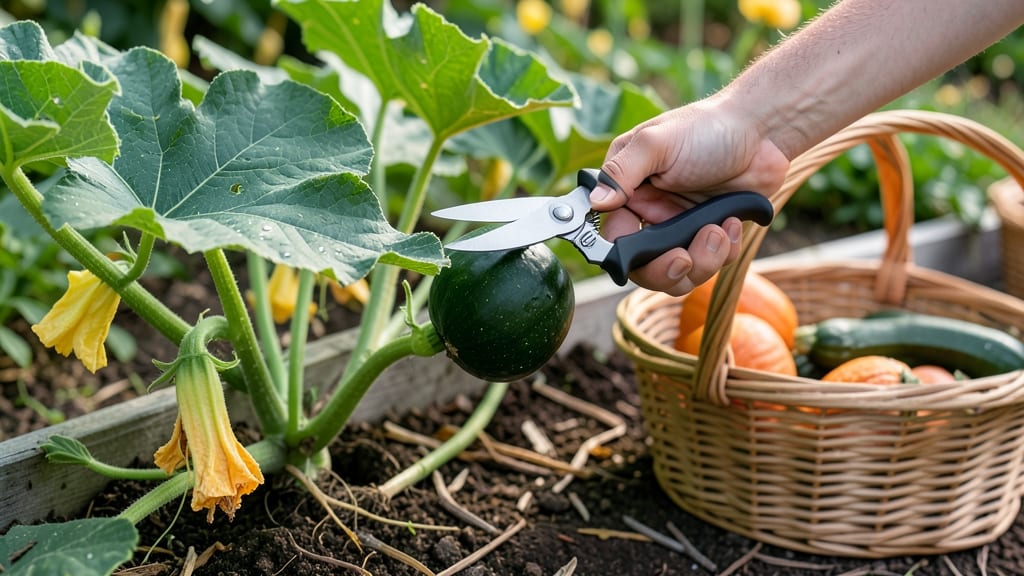
Harvesting squash at the right time means the difference between tender, flavorful 🎃 flesh and a tough, seedy disappointment.
Picture this: you’ve nurtured your plants all season, and now the moment of truth arrives. But how do you know when to harvest squash before it’s too late? The answer lies in three simple visual cues—color depth, skin firmness, and stem changes—that turn guesswork into a foolproof routine.
Too early, and your squash will be bland and watery. Too late, and you’ll be dealing with overripe, rotting messes on the vine. Below, I’ll walk you through the exact signals to watch for, so you can pull your squash at peak ripeness every time—no more wasted harvests.
You’ll also learn how to adjust for different varieties (zucchini vs. butternut) and avoid the most common mistakes that ruin flavor or storage potential. Ready to master the harvest?
3 Visual cues to harvest squash at peak ripeness (with photos)
Harvesting squash at the right time transforms your garden bounty into delicious, tender meals. But how do you know when those zucchini, butternut, or acorn squash are ready?
The answer lies in three key visual cues: skin color, rind texture, and stem condition. Ignore these signs, and you risk tough flesh or wasted effort.
First, let’s tackle the most obvious clue: color changes. Different squash varieties develop distinct hues when ripe. For example, zucchini shifts from pale green to a deep, glossy green, while butternut squash turns a rich, golden orange. Pumpkins and acorn squash develop vibrant orange or deep green tones.
These color shifts aren’t just aesthetic—they signal peak sweetness and tenderness.
Here’s a quick reference for what to look for:
The rind texture is your next clue. Run your thumb over the squash’s skin—if it feels tough and resists pressure, it’s ready. For zucchini, press gently; if your thumbnail leaves no mark, it’s perfect.
For winter squash like butternut, the skin should be nearly impenetrable. This hardness ensures sweet, flavorful flesh.
Don’t overlook the stem condition. A healthy stem is firm and green, but when it’s time to harvest, it’ll start drying out. For zucchini, the stem may turn yellow and brittle, while pumpkins and acorn squash will have stems that look woody and brown.
This change signals the squash has stopped growing and reached maturity.
Pro tip: Check the shape too. A fully formed squash won’t grow much larger, but an underripe one may still swell. For example, butternut squash should have a smooth, elongated shape with no bumps. If it’s lopsided or misshapen, it’s not ready yet.
Timing is everything—harvest too early, and your squash will be bland and seedy. Too late, and it’ll be tough and stringy. By mastering these three visual cues, you’ll consistently pick squash at its peak. Grab your pruners, and let’s get harvesting!
🎃
How to avoid common harvest mistakes (and save your squash)
Waiting too long to harvest your squash can turn sweet, tender flesh into a tough, seedy disappointment. Overripe squash develops bitter flavors and hard seeds, while underripe varieties lack the rich texture and sweetness we all love.
The key is knowing exactly when to pick—before the vine starts sacrificing quality for quantity.
Many gardeners make the mistake of assuming all squash ripen at the same pace. In reality, zucchini and summer squash mature in just 45-55 days, while winter varieties like butternut take 80-100 days. Timing isn't just about days—it's about visual cues that tell you the moment is right.
🚨 Harvest Too Late = Flavor Disaster
Once squash overripens on the vine, its starches convert to sugars, creating a bitter, grainy texture. The seeds harden, and the flesh becomes woody and inedible. Even worse, overripe squash attracts pests like squash vine borers and spreads diseases to other plants.
You don't need to cut into your squash to check ripeness. Instead, press your thumbnail into the skin—if it doesn't dent, the squash is ready.
For winter squash, look for a hard rind that's difficult to pierce, while summer squash should have a smooth, glossy skin with fully developed color.
For storage varieties like butternut or acorn squash, wait until the stem begins to dry and the squash feels heavy for its size. This indicates maximum sugar concentration and nutrient storage.
If you're harvesting for immediate cooking, pick when the squash reaches 75% of its mature size—this ensures tender flesh without waiting for full ripeness.
Overripe squash shows clear warning signs: a wrinkled skin, shriveled stem, and soft spots where pests may have entered. If you find your squash in this state, don't despair—you can still salvage it by peeling and cooking the flesh immediately.
For storage varieties, overripe squash won't keep well and should be used within 3-5 days.
Pro tip: Harvest every 2-3 days during peak production to encourage more fruit. Use a sharp knife or pruners to cut the squash from the vine, leaving a 1-inch stem attached.
This prevents rot and extends shelf life. Store summer squash in the fridge for up to 5 days, while winter squash lasts 2-3 months in a cool, dark place.