
How To
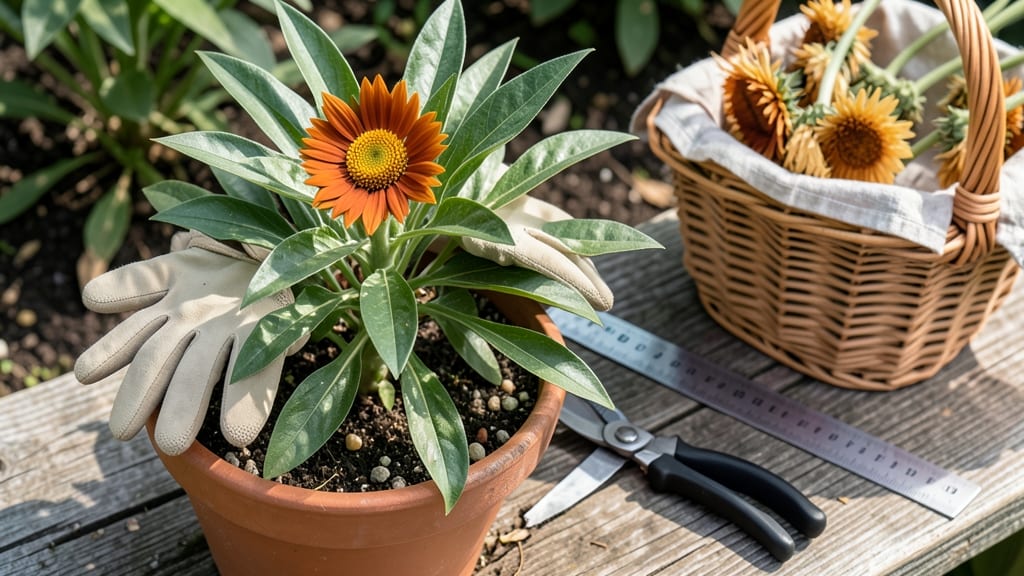
Harvesting strawflowers at the right time ensures their stems stay strong and blooms last longer in arrangements 🌼 — the secret lies in watching for fully open, papery petals and crisp stems.
Picture this: you’ve nurtured your strawflowers all season, and now you’re ready to cut them for drying or bouquets. But if you pick too early, the stems snap like dry twigs, and if you wait too long, the petals fade before they even hit the vase.
The difference between a flawless harvest and a wasted batch comes down to timing—and a little know-how.
Most gardeners harvest strawflowers between July and September, when the blooms are fully mature but still vibrant. However, the exact moment depends on the weather and your region.
In cooler climates like USDA Zone 6a, you might start harvesting as early as late July, while warmer areas can wait until August or September. The key is to check the stems for dryness and the petals for full openness before cutting.
In this guide, I’ll walk you through the exact visual cues to look for, the best time of day to harvest, and how to handle them afterward to keep those long-lasting blooms fresh for weeks. No more guesswork—just perfect strawflowers every time.

The perfect strawflower stem strength test before harvesting
Harvesting strawflowers at the right moment ensures sturdy stems that last weeks in arrangements. The key? Testing stem strength before cutting. I’ve perfected a simple bend test that guarantees your blooms stay vibrant and upright.
This method goes beyond just looking at flower color—it checks the internal maturity of the stem.
Strawflowers reach peak harvest readiness when their flower heads are fully open but still papery-dry. A common mistake is picking them too early when buds are still tight or too late when petals start browning.
The bend test eliminates guesswork by revealing whether stems can handle cutting and transport without snapping.
Here’s how I assess maturity: first, examine the bud size—it should be fully unfurled but not wilted. Next, check the leaf color along the stem. Healthy leaves should be green and firm, not yellowing or crispy. These visual cues work together with the bend test for foolproof results.
Step-by-Step Strawflower Stem Strength Test
- Step 1: Check Bud Stage Look for fully open flower heads with papery petals—they should resemble dried paper rather than fresh fabric.
- Step 2: Perform the Bend Test Gently grasp a stem near the base and bend it 45 degrees. A mature stem will bend slightly but not snap. If it breaks, wait 2-3 days for full maturity.
- Step 3: Inspect Leaf Health Run your fingers along the stem. Leaves should feel firm and green. Avoid stems with yellowing or crispy leaves, as they signal overmaturity.
- Step 4: Test Stem Dryness Press a stem between your fingers. It should feel dry and slightly crisp, not moist or rubbery. This confirms optimal moisture balance for cutting.
- Step 5: Confirm Color Vibrancy Hold the flower up to light. Petals should display even, vibrant color without fading or browning at the edges.
Timing your harvest based on these steps prevents weak stems that wilt during transport. I’ve found that strawflowers harvested mid-morning—after dew has dried but before the heat peaks—yield the strongest stems. This timing also reduces stress on the plant, encouraging more blooms to mature.
Another pro tip: harvest on a dry, sunny day. Humidity weakens stems, so avoid cutting after rain. If you’re harvesting multiple stems, work systematically—start with the outermost stems and move inward. This prevents overcrowding and gives remaining flowers room to thrive.
For longer vase life, cut stems at a 45-degree angle just above a leaf node. This increases water absorption and keeps blooms fresh. Immediately place stems in lukewarm water with a splash of floral preservative to extend their lifespan by up to 2 weeks.
If you’re drying strawflowers, harvest when stems are fully mature but still green. Let them dry upside down in a well-ventilated area for 1-2 weeks. The bend test works here too—dry stems should hold their shape without crumbling when bent.
Remember, strawflowers are drought-tolerant, but their stems weaken if the plant is underwatered before harvest. Give them a deep watering 24 hours before picking to plump up stems naturally. This small step makes a huge difference in post-harvest performance.
With these techniques, your strawflower arrangements will stay fresh and sturdy for weeks—no more floppy stems ruining your bouquets! The bend test is my secret weapon for perfectly timed harvests every season. 🌼✂️
Best time of day and seasonal timing for harvesting strawflowers
Timing your strawflower harvest is everything—cutting at the wrong time can leave you with limp stems or faded blooms. The best time of day to harvest is early morning, between 6 AM and 9 AM, when stems are fully hydrated and blooms are at their peak.
This reduces stress on the plant and ensures your cut flowers last longer in arrangements.
Morning harvests also avoid the midday heat that can cause stems to wilt quickly. If you must harvest later in the day, do so by late afternoon (4 PM or earlier) to prevent wilting.
Never harvest after sunset, as the stems will be more prone to bending or breaking due to nighttime moisture loss.
Seasonal timing varies by climate zone. In cooler regions (USDA Zones 3-6), harvest strawflowers from late July through September, when daytime temperatures are warm but nights stay cool. In warmer climates (Zones 7-10), you can extend harvesting into early October, as the heat lingers longer.
| Climate Zone | Best Harvest Months | Time of Day | Stem Condition |
|---|---|---|---|
| Cool (Zones 3-6) | Late July - September | 6 AM - 9 AM | Dry, crisp, papery |
| Warm (Zones 7-10) | August - Early October | 6 AM - 11 AM | Fully open, vibrant |
| Drought Conditions | Adjust 2-3 weeks earlier | Early morning only | Extra crisp stems |
Drought conditions can throw off your harvest timing. If your strawflowers are struggling with water stress, harvest 2-3 weeks earlier than usual, as stems will be more brittle. Look for extra crisp stems and slightly smaller blooms—these are signs the plant is conserving moisture, making them ideal for cutting.
After harvesting, trim stems at a 45-degree angle and immediately place them in cool water to extend their vase life. If you’re drying them, hang stems upside down in a dry, dark, well-ventilated space for 1-2 weeks. Proper timing and care ensure your strawflowers stay vibrant for months!
Pro tip: Harvest on a cloudy day if possible—this reduces stress on the plant and keeps stems fresher longer. Happy harvesting! 🌼