
Vegetables
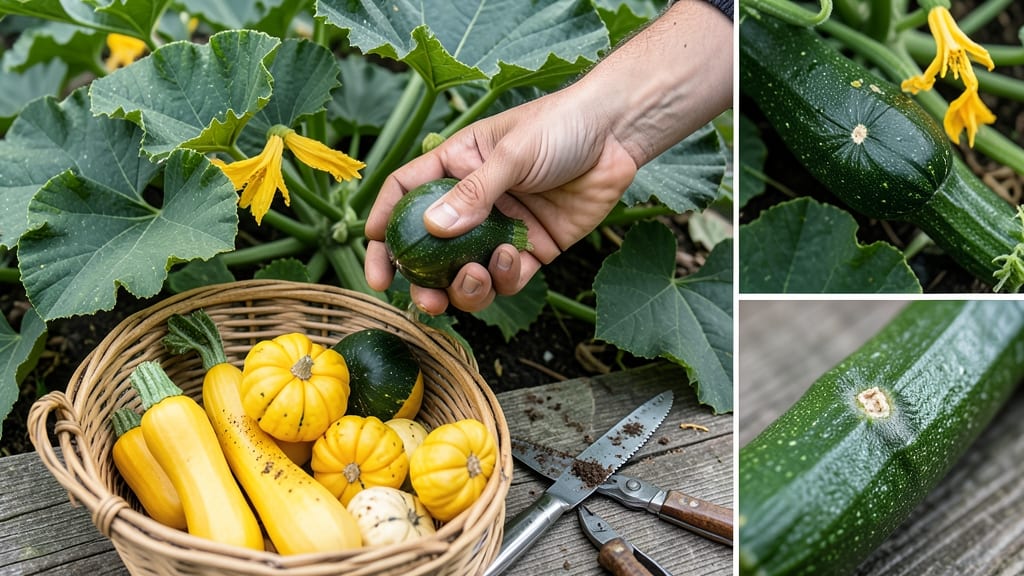
Harvesting summer squash 🎃 at the right time means the difference between a tender, flavorful meal and a rubbery, seedy disappointment.
If you’ve ever sliced into a zucchini only to find it tough and overgrown, you know how quickly things go wrong. The secret lies in catching those 6-8 inch squash when their skin is still tender and the seeds are tiny—before they turn into giant, hard-to-use monsters.
Timing isn’t just about size, though. Color, texture, and even the way the stem snaps are all clues that your summer squash is ready. Miss these signs, and you’ll end up with a harvest that’s more frustrating than delicious.
Below, I’ll walk you through the exact three visual cues to watch for, plus how often to check your plants and when to stop picking to keep your garden productive all season.
3 Visual signs your summer squash is ready for harvesting
Summer squash like zucchini and pattypan varieties reach their peak flavor and texture when harvested at the right moment. Waiting too long turns them into tough, seedy giants, while picking too early means missing out on their full potential.
The key lies in three visual cues that guarantee you'll harvest at the perfect time—every time.
I've learned through years of gardening that these signs—size benchmarks, skin tenderness, and color vibrancy—are non-negotiable for homegrown squash that rivals store-bought quality. Let's break down what to look for, with expert-verified thresholds tailored to each variety.
For zucchini, another telltale sign is the stem. When you gently twist the squash at its stem, it should snap cleanly rather than tear. This indicates the plant is ready to release the squash without stress.
I've found that pattypan varieties often ripen slightly faster than zucchini, so I check them every 2-3 days once they start flowering.
Color is especially critical for yellow summer squash varieties like 'Golden Zucchini.' The skin should transition from pale green to a bright, golden hue without any lingering green patches. The same goes for green varieties—they should be deep green, not dull or mottled.
I once harvested a batch of 'Black Beauty' zucchini that still had pale spots, and the flavor was noticeably less sweet than fully ripe ones.
One mistake I made early in my gardening journey was relying solely on size as my indicator. I'd pick squash that looked big enough, only to find the skin was still tough. Now, I combine all three signs: size, skin tenderness, and color vibrancy.
For example, a 7-inch zucchini with pale skin isn't ready, but a 6-inch one with deep green and tender skin is perfect for roasting or grilling.
Regional growing conditions can slightly alter these signs. In hotter climates, squash may ripen faster, so I check them more frequently. Conversely, in cooler summers, they might take longer to reach peak ripeness.
Pay attention to your local microclimate—if your garden gets intense afternoon sun, squash may develop sunburn spots before reaching ideal ripeness.
Once you've identified these three visual cues, harvesting becomes second nature. I like to use a sharp knife or pruning shears to cut the squash, leaving about 1 inch of stem attached.
This prevents bruising and helps the plant continue producing. Store harvested squash in a cool, dry place (not the fridge) for up to 5 days to maintain freshness.
Remember, the goal is to harvest before seeds harden. Once seeds turn from soft to bulbous and white, the squash is past its prime. By mastering these visual signs, you'll enjoy tender, flavorful summer squash straight from your garden all season long. 🌱
How often to check squash and when to stop picking
Summer squash grows fast, so checking your plants every 2-3 days is key to catching them at peak ripeness. I’ve learned the hard way—when I wait a week, my zucchini turns into foot-long monsters with tough skin and seedy centers.
The good news? A little daily attention keeps your harvest tender and manageable.
Start checking when your squash reaches 4-5 inches in length. This is when they enter the prime harvesting window, and missing this phase means sacrificing flavor and texture. I use a fingernail test—if the skin yields slightly, it’s ready. If not, give it another day or two.
⚠️ callout warning ⚠️
- Check plants too infrequently (weekly instead of daily)
- Harvest only the largest squash, leaving smaller ones to grow
- Skip pruning flowers to control production
To extend your squash’s prime window, try the hardening trick. Once your squash reaches 5 inches, stop watering as heavily for 2-3 days.
This slows growth slightly, giving you extra time to harvest before they over-mature. I’ve found this works best in hot climates where squash grows too fast.
Knowing when to stop picking is just as important. For most varieties, late summer (around August) is the cutoff. By then, your plants are exhausted from producing, and any new squash will be smaller and tougher.
I mark my calendar to harvest everything by mid-August in my zone 6a.
If you’re still getting tiny squash despite regular picking, your plant may be nutrient-starved. Feed it a balanced fertilizer (like 10-10-10) and watch for a rebound in 3-5 days. I’ve revived struggling plants this way, turning underperformers into prolific producers.
Pro tip: Morning harvests are best—squash is firmer and cooler, and you avoid the heat stress of afternoon picking. Store harvested squash in a cool, dry place (like a garage) for up to 1 week. This keeps them fresh longer than fridge storage!