
How To
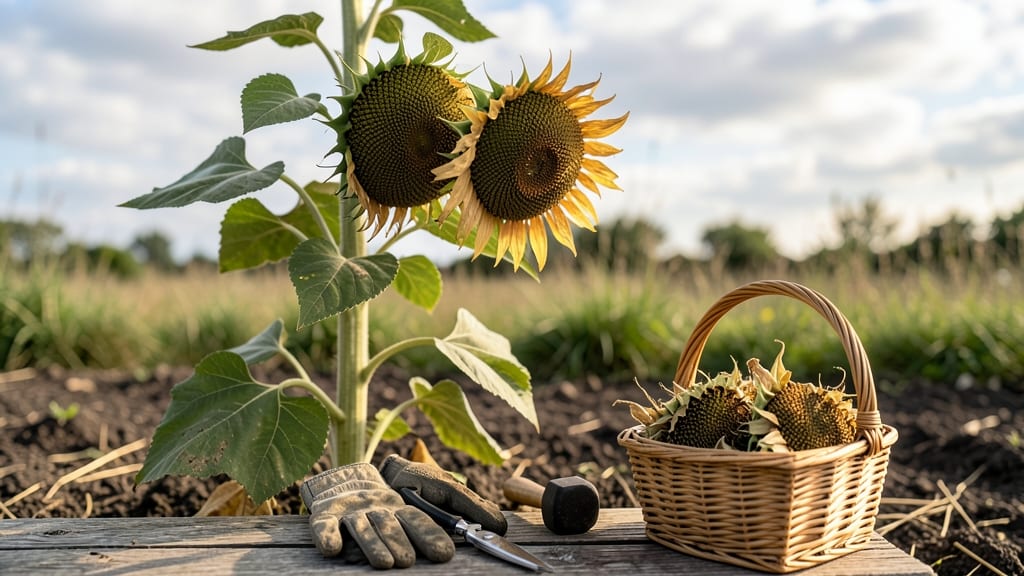
Harvesting sunflower heads at the right time turns a simple garden task into a game-changer for seeds, petals, and even greens — and missing the window means wasted potential.
Picture this: your 🌻 sunflowers towering over the garden, their golden petals catching the light. But here’s the catch — waiting too long means seeds scatter, while harvesting too early leaves you with underdeveloped blooms. The key? Watching for that petal drop and seed color shift that signals peak readiness.
In Zone 6a, where most gardeners grow sunflowers, the harvest window typically falls between July and September. But timing isn’t just about the calendar — it’s about the plant’s cues, like dry petals and the telltale rattle of mature seeds.
Below, I’ll walk you through the exact visual and environmental clues to harvest sunflower heads at their prime, plus how to store seeds for next year’s garden or preserve petals for arrangements.

How to identify the perfect harvest time using petal and seed cues
Harvesting sunflowers at the right moment ensures you get high-quality seeds and vibrant petals for arrangements. The key lies in observing petal changes and seed maturity, which signal when your sunflowers are ready for harvest.
Missing these cues can lead to underdeveloped seeds or premature petal drop, so pay close attention to your plants.
Start by watching the back of the petals—when they begin turning yellow and dry, it’s your first sign that the seed head is maturing. This usually happens 1-2 weeks after the flower fully blooms.
The petals will also start to curl and fall off naturally, a clear indicator that the seeds inside are nearing peak ripeness.
Next, focus on the seed head itself. A fully mature sunflower head will feel dry and papery to the touch, almost like a brown, brittle shell. If you gently shake the head, you should hear seeds rattling inside—this confirms they’re ready for harvest.
If the head still feels plump or moist, wait a few more days.
Environmental factors like day length and temperature also play a role. Sunflowers typically mature between 75-120 days after planting, depending on the variety. In cooler climates, harvest may happen earlier, while warmer regions might extend the season. Always check the specific variety guidelines for your sunflowers to refine your timing.
| Indicator | Ready for Harvest? | Action |
|---|---|---|
| Petal Color | Yellow and drying | Monitor seed head |
| Petal Drop | Falling naturally | Harvest soon |
| Seed Head Feel | Dry and papery | Harvest now |
| Seed Rattle | Seeds move inside | Harvest immediately |
| Seed Color | Dark brown/black | Harvest for storage |
For seed-saving purposes, wait until the seed heads are fully brown and the seeds have turned dark brown or black. This ensures maximum viability for planting next season.
If you’re harvesting for petals or greens, however, you’ll want to pick the flowers just as the petals begin to wilt but before they fully dry out.
Timing also depends on your climate zone. In warmer regions, sunflowers may mature faster, while cooler areas might experience delayed ripening. Always keep an eye on the weather forecast—a sudden heatwave or frost can affect seed development.
If frost is expected, harvest the seed heads early to prevent damage.
One common mistake is harvesting too early, which results in immature seeds that won’t store well. Conversely, waiting too long can cause seeds to scatter or sprout prematurely. The best approach is to check daily during the final week of maturity, using the cues above to guide you.
Once you’ve identified the perfect moment, harvest on a dry, sunny day to allow the seed heads to dry properly. Cut the heads with clean shears, leaving a few inches of stem.
Hang them upside down in a well-ventilated, dry space to finish drying before processing seeds or using petals.
By mastering these petal and seed cues, you’ll never miss the ideal harvest window again. Whether you’re saving seeds for next year or crafting stunning arrangements, your sunflowers will thank you with abundant, high-quality blooms every season. 🌻
Sunflower variety harvest guide: annual vs. perennial timing differences
Not all sunflowers mature on the same schedule, and knowing the variety-specific harvest windows can mean the difference between high-quality seeds and wasted blooms. While most sunflowers are annuals, some varieties behave differently based on their intended use—whether for birdseed, confectionary treats, or ornamental displays.
Understanding these distinctions helps you plan your harvest strategy and even extend your garden's productivity.
The most common sunflower types fall into three broad categories: giant ornamental varieties (like 'Mammoth' or 'Russian Giant'), birdseed types (such as 'Autumn Beauty' or 'Teddy Bear'), and confectionary varieties (like 'Russian Mammoth' or 'Sunspot').
Each has unique maturity timelines that affect when you should harvest. For example, giant varieties often take 100-120 days to mature, while smaller birdseed types may be ready in as few as 75-90 days.
| Variety Type | Maturity Days | Harvest Window | Best For | Regional Adjustments |
|---|---|---|---|---|
| Giant Ornamental | 100-120 days | Late August-September | Cut flowers, displays | Cooler zones: harvest earlier |
| Birdseed Varieties | 75-90 days | July-August | Wildlife feed, storage | Warmer zones: later harvest |
| Confectionary Types | 85-105 days | Mid-August-September | Roasting, decorations | Short seasons: prioritize early planting |
Regional adjustments are crucial because day length and temperature directly impact maturity. In northern climates like Zone 4 or 5, giant sunflowers may need to be harvested by early September to avoid frost damage, while in southern zones like 8 or 9, you might extend harvests into October.
For example, 'Autumn Beauty' birdseed varieties often mature earlier in warmer southern gardens, while the same variety in cooler northern regions might require staggered planting to spread out the harvest.
To extend your harvest season, consider planting successive crops every 2-3 weeks. This staggered approach ensures a continuous supply of sunflower heads for both seed-saving and decorative purposes.
For example, plant a batch of 'Teddy Bear' sunflowers in early June for a July harvest, then follow with another batch in early July for an August harvest. This technique works especially well for birdseed varieties, which have shorter maturity windows.
Another pro tip is to monitor early vs. late bloomers within the same variety. Some sunflowers, particularly giant types, may flower and mature at slightly different times even when planted simultaneously.
By identifying these early and late bloomers, you can prioritize harvesting the earliest-ripening heads first, then move to the later ones as they mature. This method maximizes your yield and minimizes seed loss from scattering.
Finally, remember that perennial sunflowers (like Helianthus species) have different harvest dynamics. While most garden sunflowers are annuals, these hardy perennials produce smaller, wildflower-like blooms that mature over multiple seasons. Their harvest windows are typically 2-3 weeks earlier than annual varieties, often aligning with late summer.
If you're growing perennials, focus on harvesting in late August to early September for the best seed quality.
By tailoring your harvest strategy to the specific variety and regional conditions, you’ll transform your sunflower patch into a year-round resource—whether for seeds, wildlife feed, or stunning arrangements. The key is staying observant and adapting your approach based on what your plants tell you. 🌻