
How To
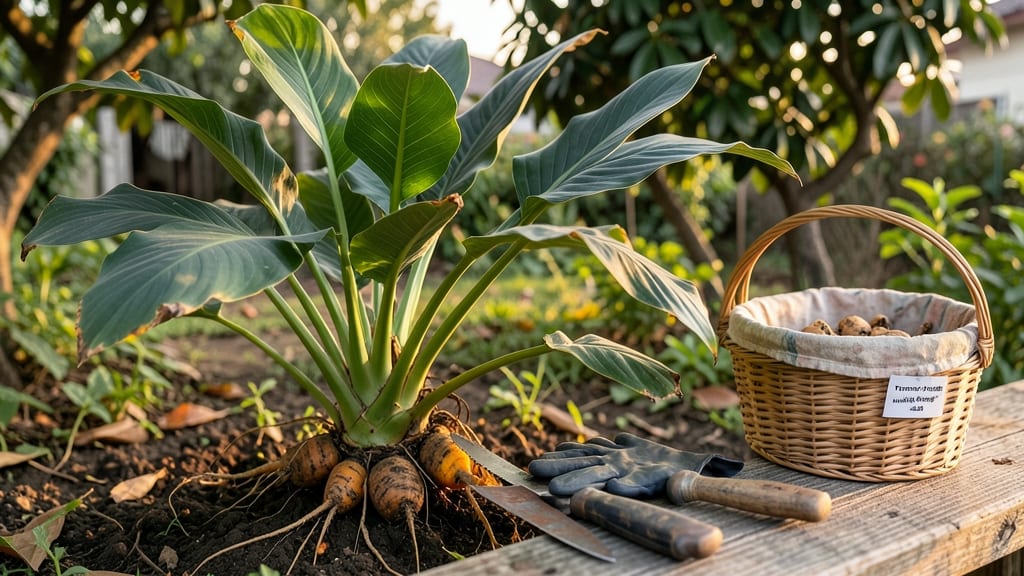
Harvesting turmeric at the right time ensures you get the brightest, most flavorful rhizomes—and missing the window means tough, bitter roots that won’t store well.
If you’ve ever dug up your 🌿 turmeric too early and ended up with pale, stringy roots, you know how critical timing is. The difference between a perfect harvest and a wasted crop often comes down to three simple visual cues: leaf color, stem firmness, and rhizome size.
In USDA Zone 6a, where most home gardeners grow turmeric, the ideal harvest window falls between October and November, about 8-10 months after planting. But climate and variety can shift that timeline—so how do you know when your plants are ready?
Below, I’ll walk you through the exact signs to watch for, plus the best methods for drying and storing your harvest so it stays fresh for months. No guesswork, just perfectly timed turmeric every time.

3 Visual cues to identify perfect turmeric root maturity
Harvesting turmeric at the right time transforms your garden into a flavor factory—golden rhizomes packed with bold, earthy notes. But timing is everything: harvest too early, and you'll get small, fibrous roots with weak flavor.
Too late, and the rhizomes become tough and woody. The key? Watching for three clear visual cues that signal your turmeric is ready for harvest.
First, pay attention to the leaves. When they begin turning yellow and crispy, it’s nature’s way of telling you the plant is redirecting energy to the rhizomes. This usually happens in late summer or early fall, depending on your climate.
Second, the stems will start to harden and feel woody to the touch—a sign the plant is maturing. Finally, the rhizomes themselves will grow to about 1-2 inches thick and develop a smooth, golden-brown skin.
🌟 3 Visual Cues for Harvest-Ready Turmeric
- 1
- 2
- 3
🌱 Pro Tip: Test one rhizome by digging it up—if it meets all three cues, harvest the rest!
Don’t wait until the leaves are completely dead—this can make the rhizomes tough. Instead, act when you see 50-70% yellowing, and the stems have hardened. This is your harvest sweet spot for the best flavor and texture.
In USDA Zone 6, this typically falls between late September and October, but adjust for your local climate.
Once you’ve confirmed all three cues, it’s time to harvest. Use a fork or spade to gently loosen the soil around the base of the plant. Lift the rhizomes carefully—never wash them immediately, as moisture can cause spoilage.
Instead, let them dry in the sun for a few hours to toughen the skin before curing.
If you’re growing turmeric in containers, the process is similar, but check the rhizomes more frequently since container-grown plants often mature faster. The same visual cues apply: yellow leaves, woody stems, and thick rhizomes are your green light to harvest.
Just be sure your container is at least 12 inches deep to accommodate root growth.
One common mistake is harvesting too late, thinking the plant needs more time. But overripe turmeric rhizomes become fibrous and bitter, losing their signature warm, earthy flavor. The golden-brown skin is your final checkpoint—if it’s still rough or pale, give your turmeric a few more weeks in the ground.
After harvesting, let the rhizomes dry in the sun for 10-15 minutes before bringing them indoors. This helps prevent mold. Then, rub off excess soil and cure them in a dry, well-ventilated area for 2-3 weeks.
Proper curing deepens the flavor and extends shelf life, making your homegrown turmeric taste even more vibrant than store-bought.
Now that you know what to watch for, you’re ready to harvest turmeric like a pro. The next time you see those golden leaves and woody stems, you’ll know it’s time to dig in and enjoy the fruits of your labor—literally!
With these visual cues, you’ll never second-guess your harvest timing again. 🌿
How long does turmeric take to reach harvest readiness?
Turmeric rhizomes typically take 90-120 days to reach harvest readiness after planting, but the full cycle from planting to mature harvest usually spans 8-10 months.
This timeline aligns with the plant's natural growth pattern, where early stages focus on leaf and stem development before shifting energy to rhizome growth in late summer.
In USDA Zone 6a, most gardeners plant turmeric in March or April and harvest between October and November, just before the first frost.
The 90-120 day window refers specifically to the period from planting to when the rhizomes begin developing their characteristic golden-brown skin and reach harvestable size. However, this is just the beginning of the maturation process.
The rhizomes continue to grow and develop flavor until the plant's leaves begin yellowing, signaling the final stages of harvest readiness. Understanding this timeline helps you plan your garden layout and succession planting for a continuous harvest.
| Stage | Timeframe | Key Indicators | Action |
|---|---|---|---|
| Planting | March-April | Rhizomes planted 1-2 inches deep | Prepare soil with compost |
| Vegetative Growth | April-July (3-4 months) | Green leaves, no rhizome development | Water consistently, fertilize lightly |
| Rhizome Development | August-September (2 months) | Leaves yellow slightly, stems harden | Monitor for visual cues |
| Harvest Readiness | October-November (8-10 months) | Yellow leaves, 1-2" thick rhizomes | Harvest and cure rhizomes |
Several factors can accelerate or delay your turmeric's growth timeline. Warm climates like USDA Zones 8-10 often allow for a 6-8 month harvest cycle, while cooler zones like Zone 6 may need the full 8-10 months.
Soil quality also plays a role—well-draining, nutrient-rich soil with a pH of 6.0-7.5 encourages faster rhizome development. Varieties like Alpinist or Roman turmeric may mature slightly faster than traditional varieties, so always check the specific variety's recommended timeline.
If you're growing turmeric in containers, expect a slightly faster timeline due to limited root space. Container-grown plants often reach harvest readiness in 7-9 months instead of 8-10. To adjust for early harvests, plant your turmeric in late spring (May-June) rather than early spring.
This shifts the harvest window to late fall or early winter, avoiding potential frost damage. For late harvests, plant in early spring and extend the growing season with row covers or move containers indoors before frost.
One common mistake is assuming turmeric is ready to harvest simply because it's been in the ground for the expected time. Always verify by checking the three visual cues—leaf color, stem firmness, and rhizome size—regardless of the calendar.
For example, if your plants are in partial shade or cooler microclimates, they may take 2-3 weeks longer to mature. Conversely, full-sun conditions with consistent warmth can shave off 10-15 days from the timeline.
To maximize your harvest, consider planting turmeric in succession—start one batch in early spring and another in late spring. This staggered approach ensures you have rhizomes ready to harvest at different times throughout the fall.
For instance, an early batch planted in March might be ready by late September, while a late batch planted in May could be harvested in November. This method also helps you manage space and resources more efficiently.
Once your turmeric reaches harvest readiness, act quickly to avoid over-maturation. The golden-brown skin and 1-2 inch thickness are your final checkpoints before digging. Use a fork or spade to carefully lift the rhizomes, then let them dry in the sun for 10-15 minutes before curing.
Properly cured turmeric can last up to 12 months when stored in a cool, dry place, making your extended timeline well worth the wait. 🌱