
How To
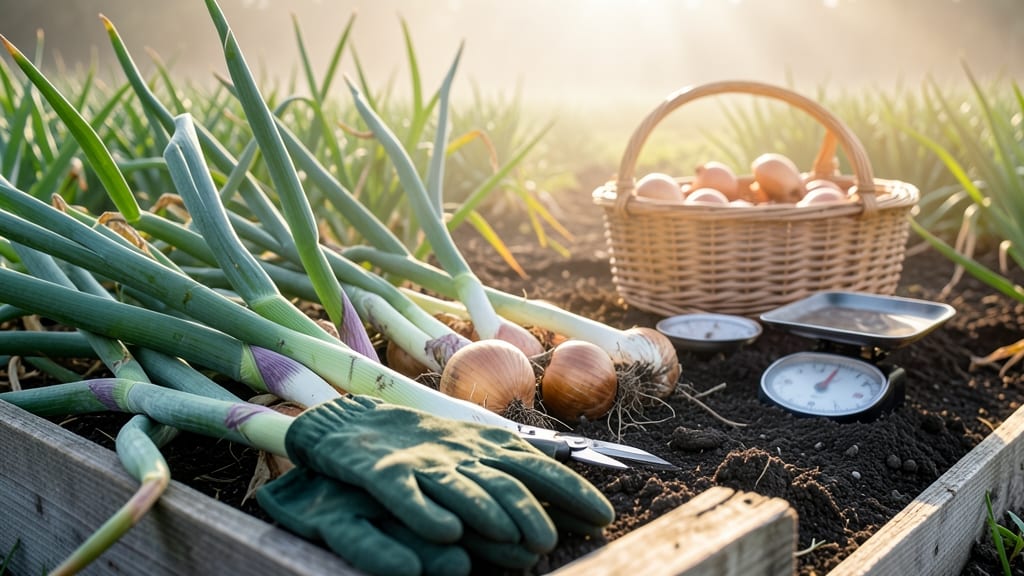
Harvesting Walla Walla onions at the right time turns them into sweet, tender 🧅 treasures—but wait too long, and you’ll end up with tough, pungent bulbs that ruin every dish.
Picture this: you’ve nurtured your onions all season, and now the moment of truth arrives. One wrong move, and your kitchen’s star ingredient becomes a bitter disappointment. But here’s the good news—with just three simple tests, you can nail the perfect harvest window every time.
From checking leaf color to testing bulb firmness, these tactile clues take the guesswork out of timing. Whether you’re in Zone 6a or another region, knowing when to pull your onions ensures they’re at their peak flavor and texture for storage or cooking.
Below, I’ll walk you through the exact cues to watch for—so you can confidently harvest your Walla Walla onions and enjoy that sweet, oniony perfection all season long.

3 Touch & squeeze tests to determine perfect Walla Walla onion harvest time
Harvesting Walla Walla onions at the perfect moment transforms them from garden workhorses into culinary stars. But how do you know when they’re truly ready? Unlike store-bought onions, these sweet varieties demand precise timing—wait too long, and you’ll get tough, pungent bulbs.
The secret lies in three simple touch-and-squeeze tests that reveal maturity without guesswork.
I’ve used these same methods for years in my garden, and they’ve never failed me. Each test builds on the last, giving you a foolproof way to assess your onions’ readiness.
Whether you’re a first-time grower or a seasoned pro, these tactile clues will help you pull your onions at their peak—just as the tops yellow and the bulbs reach their sweetest potential.
Look for yellowing tops that begin to flop over. The outer leaves should turn from vibrant green to a straw-like yellow, signaling the bulb is fully mature. Avoid harvesting if leaves are still fully green—this means the bulb isn’t done growing.
Gently grasp the stem near the bulb and bend it slightly. If it snaps cleanly or bends easily, the bulb is ready. A stiff, resistant stem means it needs more time. This test is especially useful for smaller bulbs where visual cues might be less obvious.
Dig up one onion and squeeze the bulb firmly. It should feel solid and dry to the touch, with a slightly papery skin. If it’s soft or mushy, it’s not ready. Overly hard bulbs might be past their prime—aim for that perfect balance between firmness and flexibility.
Pro tip: Perform these tests on a cool morning after dew has evaporated. Bulbs are firmer in the morning, making it easier to assess their readiness accurately. I’ve found that harvesting between 90-120 days after planting (depending on your climate) aligns perfectly with these tactile cues.
Once you’ve confirmed your onions are ready, use a sharp knife or garden fork to lift them gently from the soil. Avoid bruising the bulbs—this can lead to spoilage during storage.
After harvesting, let them cure in a dry, shaded spot for 1-2 weeks to develop their full flavor and storage potential.
If you’re growing in Zone 6a or cooler climates, watch for early signs of frost. Walla Walla onions can tolerate light frosts, but harvesting before the first hard freeze ensures you don’t lose your crop. In warmer regions, don’t wait too long—overripe bulbs split easily and lose their sweetness.
I’ve made the mistake of waiting too long before, and let me tell you—bitter, tough onions are no fun in the kitchen. But with these three tests, you’ll never second-guess your harvest timing again. Trust your hands, and your taste buds will thank you.
Now that you’ve mastered the art of harvesting, your next challenge is storing them properly. But that’s a story for another time—happy digging!
When to harvest Walla Walla onions by season: month-by-month guide for Pacific Northwest growers
The Pacific Northwest’s cool, wet springs and mild summers create perfect conditions for Walla Walla onions—but timing harvests requires careful attention to seasonal shifts. Unlike heat-loving varieties, these onions thrive in Zone 6a’s moderate climate, where day length and temperature directly impact maturity.
Spring-planted onions typically mature earlier than fall-planted sets, but both require precise timing to avoid bitter bulbs or premature splitting.
In my garden, I’ve found that spring plantings (March-April) reach harvest readiness by late July to early August, while fall plantings (August-September) mature in late September to October. The key difference?
Spring onions benefit from longer daylight hours, while fall-planted varieties respond to shorter days that trigger bulb development. Microclimates—like coastal areas with cooler summers—may delay harvest by 1-2 weeks compared to inland regions.
| Month | Spring-Planted Onions | Fall-Planted Onions | Key Cues |
|---|---|---|---|
| June | Bulb development begins | — | Tops reach 12" tall |
| July | Peak harvest window | — | 50% tops yellow |
| August | End of harvest | Early bulb formation | 90% tops yellow |
| September | — | Primary harvest | Bulbs 2-3" diameter |
| October | — | Final harvest | Frost sensitivity |
For spring plantings, begin monitoring in late June when tops reach 12 inches tall. By early July, you’ll notice the first yellowing leaves—this is your signal to start the touch tests we covered earlier.
In Zone 6a’s inland valleys, harvest typically wraps up by mid-August, while coastal areas may extend into early September due to cooler temperatures.
Fall-planted onions follow a different rhythm. After setting out August-September, these onions enter dormancy during summer heat but resume growth as days shorten in late August. Watch for green shoots in early September—this means bulb development has begun.
By mid-September, you should see 2-inch bulbs with straw-colored tops, signaling harvest readiness. Don’t wait past early October, or you risk frost damage before bulbs fully mature.
One common mistake I see is ignoring microclimate variations. For example, elevated gardens in the Cascade foothills may harvest 2 weeks earlier than lowland areas near the Columbia River.
Always adjust your timing based on your specific elevation and soil drainage. Well-drained soils speed up maturity, while heavy clay can delay harvest by 10-14 days.
Remember: Walla Walla onions are short-day varieties, meaning they respond to decreasing daylight. This makes them ideal for PNW gardens where summer days gradually shorten. If you notice bulbs splitting or tops collapsing before harvest, it’s a sign they’ve matured too quickly—likely due to hot, dry spells.
In this case, harvest immediately to prevent waste.