
Vegetables
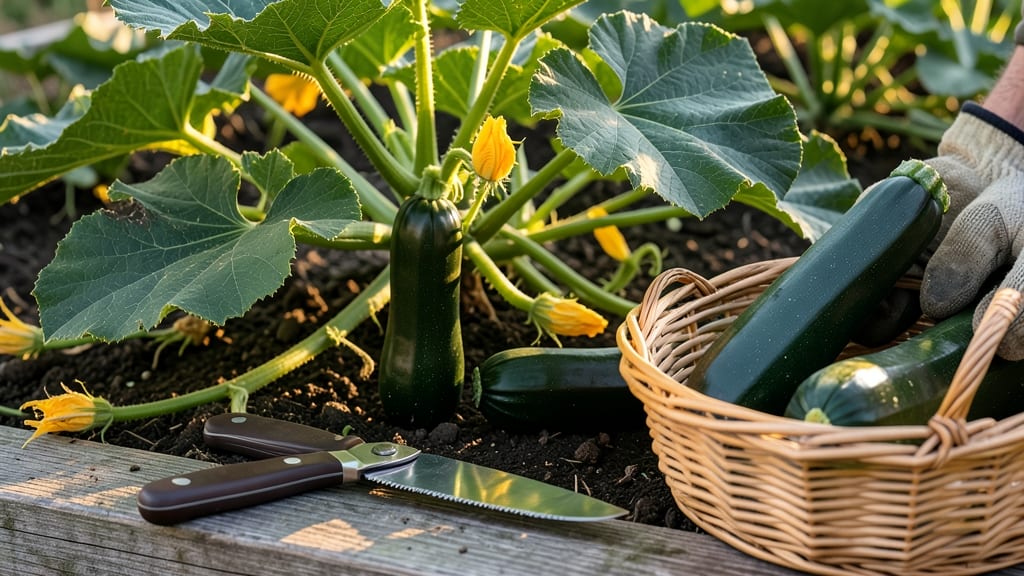
Harvesting zucchini at the right time ensures tender, flavorful squash 🎃 — and skipping this window means tough, seedy disappointment.
Picture this: you’ve been waiting weeks for those first zucchini to swell, only to find them rock-hard and bitter. Or worse, you wake up to find your plants overloaded with giant squash that no one will eat.
The secret? Knowing exactly when to pick, before the plant fights back by shutting down production.
Most gardeners assume size is the only clue, but texture and color play just as big a role. A quick thumb-press test or checking the blossom end can tell you the perfect moment—long before the squash outgrows your fridge.
Below, I’ll walk you through three foolproof tests to nail the harvest window every time, plus how often to repeat the process for a nonstop summer supply.
Whether you’re in Zone 6a or further south, these tips will keep your zucchini producing like a champ from July through September—no guesswork required.
3 Tactile tests to determine zucchini harvest readiness
Harvesting zucchini at the right moment transforms your garden into a flavor factory. The key? tactile tests that reveal ripeness through touch, not just sight. When you rely only on size or color, you might miss the sweet spot where zucchini tastes sweetest and seeds remain tender.
I’ve grown zucchini for years, and these three simple tests have saved me from bitter, seedy disappointments—plus, they’ll keep your plants producing for weeks.
Most gardeners focus on zucchini length (6-8 inches), but that’s just the starting point. The real magic happens when you combine size with these hands-on checks: thumb pressure, seed development, and skin texture. Each test gives you a different clue about whether your zucchini is ready to pick.
Trust me, your taste buds—and your plants—will thank you. Let’s dive into the foolproof methods that’ll have you harvesting like a pro.
- 1 Thumb Pressure Test: Press your thumbnail into the zucchini’s skin. If it resists slightly (like a ripe avocado), it’s ready. Too firm? Wait 1-2 days.
- 2 Seed Cavity Check: Gently squeeze the blossom end. If the skin separates from the seed cavity with light pressure, it’s prime time. Hard seeds mean it’s overripe.
- 3 Skin Texture Test: Run your fingers over the surface. Ready zucchini feels slightly waxy, not rough or spongy. Rough skin = past its peak.
Let’s start with the thumb pressure test, my go-to method for determining ripeness. Grab a zucchini and press your thumbnail into its skin near the blossom end. If it gives just a little (like a ripe peach), congratulations—you’ve found the sweet spot.
This test works because zucchini skin thickens as it matures. Too firm? Wait another day. Too soft? You’ve missed the window. I’ve learned the hard way that overripe zucchini turns mealy and bitter, so this test is non-negotiable in my garden.
The seed cavity check is where many gardeners trip up. Most assume bigger seeds mean better flavor, but that’s not true for zucchini. Instead, focus on the skin’s resistance at the blossom end. Gently squeeze—if the skin peels away from the cavity with minimal pressure, your zucchini is ready.
Hard, unyielding seeds? That’s a sign it’s past its prime. I once harvested a zucchini with rock-hard seeds, and it was so bitter I nearly tossed it—until I remembered this trick!
Don’t overlook the skin texture test, which reveals subtle clues about ripeness. Run your fingers over the zucchini’s surface. Ready-to-harvest zucchini feels smooth and slightly waxy, almost like a fresh eggplant. Rough or spongy skin?
That’s your cue to check the other tests. Texture changes happen gradually, so this is where experience pays off. Over time, you’ll develop a feel for the perfect balance between firmness and tenderness.
Here’s a pro tip: harvest in the morning when zucchini is coolest and firmest. This gives you the most accurate results for all three tests. I’ve found that afternoon heat can make zucchini skin feel softer than it actually is, leading to premature harvests.
Always test first thing in the morning for the most reliable readings. And remember, consistency is key—check your zucchini every 2-3 days to catch the perfect moment.
What about color changes? While dark green is ideal, color alone isn’t enough to determine ripeness. Some varieties stay light green even when ready to harvest. That’s why tactile tests are essential.
For example, my Black Beauty zucchini stays deep green until it’s nearly overripe. Relying on color would’ve cost me multiple harvests! Always pair visual cues with these hands-on methods for foolproof results.
One common mistake is harvesting zucchini too early just because it’s small. While baby zucchini (3-4 inches) are delicious, they won’t give your plant the energy boost it needs to produce more. The 6-8 inch range is ideal for both flavor and plant health.
Think of it like this: every zucchini you harvest encourages the plant to produce more. But if you pick too soon, you’re robbing it of the nutrients it needs to keep flowering and fruiting.
For continuous harvests, use these tests to guide your schedule. Once you’ve mastered them, you’ll notice a pattern in your garden’s rhythm. My zucchini plants, for example, hit peak readiness every 3-4 days during July and August.
By harvesting at the right moment, I’ve extended my season by nearly a month compared to my early attempts. The secret? Don’t let zucchini grow beyond 8 inches—that’s when they start to decline in quality.
Final thought: these tactile tests work for all zucchini varieties, from classic green types to striped or round varieties. The principles remain the same—pressure, texture, and seed development are universal clues.
Next time you’re in your garden, grab a zucchini and give these methods a try. Your taste buds—and your plants—will thank you for the perfect harvest.
Size vs. flavor: why harvesting early isn’t always better
If you’ve ever picked a zucchini only to find it bland or mealy, you’ve likely fallen for the myth that smaller always means sweeter. In reality, zucchini flavor peaks when they reach 6-8 inches—but timing is everything.
Harvest too early, and you’ll get underripe, bitter squash. Wait too long, and the plant diverts energy to seeds instead of new fruit, leaving you with oversized, tough vegetables.
The truth is, zucchini plants produce their best flavor when harvested at the right size and maturity. Smaller zucchini (under 6 inches) often lack the sugar development needed for optimal taste, while oversized ones become fibrous and seedy.
Understanding this balance is key to a productive garden and delicious harvests all season.
Harvesting Zucchini: Pros & Cons
- 🍃 6-8 inches: Peak flavor & tenderness
- 🌱 Encourages growth: More fruit production
- 🤏 Easy handling: Lightweight for cooking
- 🟡 Under 6 inches: Bitter, underdeveloped taste
- 🎃 Over 8 inches: Tough, seedy, less flavorful
- 🌿 Overgrowth: Plant stops producing new fruit
💡 Key Tip: Harvest at 6-8 inches for the best balance of flavor and texture!
Many gardeners assume that larger zucchini mean better flavor, but this couldn’t be further from the truth. Once zucchini exceed 8 inches, their texture becomes woody and stringy, and their seeds harden, making them less enjoyable to eat.
The plant also shifts its energy toward seed development, reducing future fruit production. This is why consistent harvesting keeps your zucchini plants productive all season.
Another common mistake is harvesting based solely on color. While deep green is ideal, relying on color alone can mislead you. Instead, combine color with the thumb-press test: press your thumbnail into the skin.
If it leaves a slight indentation, the zucchini is ready. If it springs back, wait a day or two. This simple test ensures you’re picking at peak ripeness every time.
Regional climate also plays a role in harvest timing. In warmer zones (7-10), zucchini may grow faster, requiring more frequent harvesting (every 2-3 days). In cooler zones (4-6), growth slows, and you can harvest every 3-4 days.
Always check for yellowing blossom ends—a sure sign your zucchini is ready to pick.
To maximize your harvest, aim to pick zucchini when they’re 6-8 inches long, with firm but slightly yielding skin. This size ensures the best flavor while keeping your plants motivated to produce more.
Skipping this window means missing out on tender, sweet zucchini and risking a plant that gives up on fruiting entirely.