
Picking
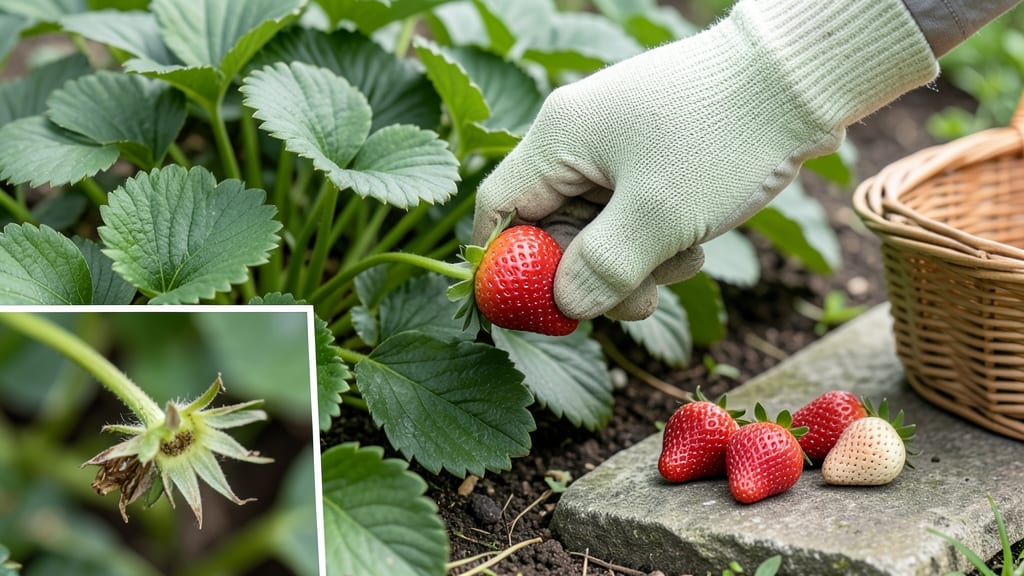
The best time to pick strawberries is when they’re fully red, fragrant, and just slightly soft to the touch — but timing wrong means either wasted fruit or bland flavor.
Strawberries that ripen too early often spoil before you can enjoy them, while waiting too long means missing peak flavor—here’s how to nail the perfect harvest window every time.
Most gardeners focus on color, but texture, scent, and even the time of day play a bigger role than you think. A berry that looks ripe might still be tart, while one that feels slightly soft could be overripe in hours.
In this guide, you’ll learn the three overlooked ripeness tricks to pick strawberries at their sweetest, plus how to handle them without bruising and when to expect your first harvest based on your variety.


3 Subtle signs your strawberries are ready (beyond color)
Most gardeners reach for strawberries when they turn bright red—but that’s just the beginning. True ripeness hides in details most miss, like the texture shift or the aroma that signals peak flavor.
I’ve learned these 3 overlooked cues after years of picking strawberries that were either too tart or already overripe. Mastering them means harvesting berries at their sweetest, every single time.
First, forget the myth that color alone determines ripeness. Some varieties stay pale pink at full maturity, while others develop white speckles or yellow shoulders before turning red. Instead, focus on the consistent color across the berry’s surface.
A ripe strawberry should have a uniform hue—no patches of green or white. Even if your variety isn’t fully red, check for even coloring as your first clue.
Texture is where most gardeners stumble. Many assume firmness means unripeness, but ripe strawberries have a slight give when gently squeezed. Press a berry between your thumb and index finger—it should yield just enough to leave a faint imprint, like pressing a ripe peach. If it feels rock-hard, it’s not ready. If it’s mushy or leaking juice, you’ve waited too long. This gentle pressure test is my go-to trick for perfect timing.
The scent test is my secret weapon for spotting ripe strawberries before they even change color. A ripe berry releases a sweet, floral aroma when you hold it near your nose. It’s not just any smell—think of honey and crushed leaves, not the sharp tang of unripe fruit.
Pro tip: Sniff a cluster before picking. The berries with the strongest scent are the ripest and should be harvested first.
| Ripeness Indicator | What to Look For | Action to Take |
|---|---|---|
| Color Consistency | Uniform deep red/pink (no green/white patches) | Harvest within 1-2 days |
| Texture Test | Slight give when gently squeezed (leaves faint imprint) | Pick immediately for peak flavor |
| Aroma Check | Sweet, floral honey-like scent | Harvest first—these ripen fastest |
| Size Maturity | Full size for variety (no further growth) | Ready to pick—won’t grow larger |
| Cap Separation | Green cap lifts slightly from berry | Signals internal sugar development |
Don’t overlook the green cap—it’s a hidden ripeness barometer. When strawberries are ready, the calyx (green top) will lift slightly away from the berry. This happens because the fruit expands and the cap separates naturally.
If the cap stays firmly attached, the berry needs more time. But if it peels back easily, you’ve missed the window—the sugars have converted to acids, making the fruit tart.
Regional growing seasons throw a wrench into timing, but these cues work year-round. In hot climates, strawberries ripen faster and may overheat if left on the vine. Check berries every 2-3 days during peak summer.
In cooler zones, color changes slowly, so rely more on texture and scent than visuals. I’ve seen June-bearing varieties in Zone 5 stay pink until late July—until I sniffed them and knew they were ready.
One common mistake? Picking all berries at once. Strawberries ripen in waves, so harvest in batches based on ripeness. Use a small basket or clamshell to sort them by readiness.
The most fragrant and plump go first, while firm or pale berries get left for later. This staggered harvesting extends your season and ensures you always have ripe fruit.
Pro growers also watch for bird activity—it’s a free ripeness alert! Birds target the sweetest, ripest berries first. If you see them pecking at specific clusters, check those berries immediately.
They’re usually ready to pick. Conversely, if birds ignore your plants, your berries may need 1-2 more days to sweeten up.
Finally, time of day matters. Strawberries taste most intense in the morning after overnight sugars develop. If you must pick later, do it before 10 AM to avoid heat stress.
I’ve noticed that berries picked in the cool morning hours last 3x longer in storage than those harvested in the afternoon heat. Combine these ripeness cues with morning picking, and you’ll always enjoy strawberries at their absolute best.
How to harvest strawberries without bruising or breaking stems
Picking strawberries the wrong way can turn your fresh harvest into a mushy mess in minutes. The key is a gentle touch and the right timing—morning picks stay firmer, while afternoon heat softens berries too quickly.
Even the best strawberry varieties like Albion or Chandler need careful handling to avoid stem damage that invites rot.
Use the wrong technique, and you’ll end up with bruised berries that spoil within 24 hours. The secret? A sharp pair of pruning shears or your thumb and forefinger—never twist or tug.
I’ve learned the hard way that even a slight pull can snap the stem, leaving the berry vulnerable to pests and disease.
When to Pick a Strawberry: Step-by-Step
- 🌞 Pick in the morning (6-9 AM) when berries are cool and firm. Afternoon heat makes them overripe faster.
- 🍓 Look for uniform color—fully red (or deep pink for white varieties) with no green patches. Half-red berries won’t ripen off the plant.
- 🤏 Gently squeeze—ripe berries yield slightly to light pressure but don’t squish like overripe ones.
- ✂️ Use clean shears or pinch the stem just above the berry. Avoid twisting—it crushes the fruit.
- 🌿 Leave 1/4 inch of stem attached. This helps them last longer in storage.
Never pick strawberries after rain—they’re slippery and more prone to bruising. I once dropped an entire pint of berries because I ignored this rule. Instead, wait until the plants are dry, usually by mid-morning. If you’re harvesting everbearing varieties, check plants every 2-3 days to avoid missing the window.
After picking, store berries in a single layer in the fridge (not the crisper drawer) for up to 5 days. For longer storage, wash only before eating—moisture speeds up spoilage. I’ve kept Chandler strawberries fresh for a week this way, and they still tasted sweet.
Pro tip: Use a small basket with holes (not plastic) to transport berries. Plastic traps moisture and causes mold. I swear by a wooden berry basket lined with paper towels—it keeps them dry and separated.
If you miss a berry and it stays on the plant too long, birds and slugs will find it first. But with these steps, you’ll harvest plump, intact strawberries that taste like summer every time. 🍓