
How To
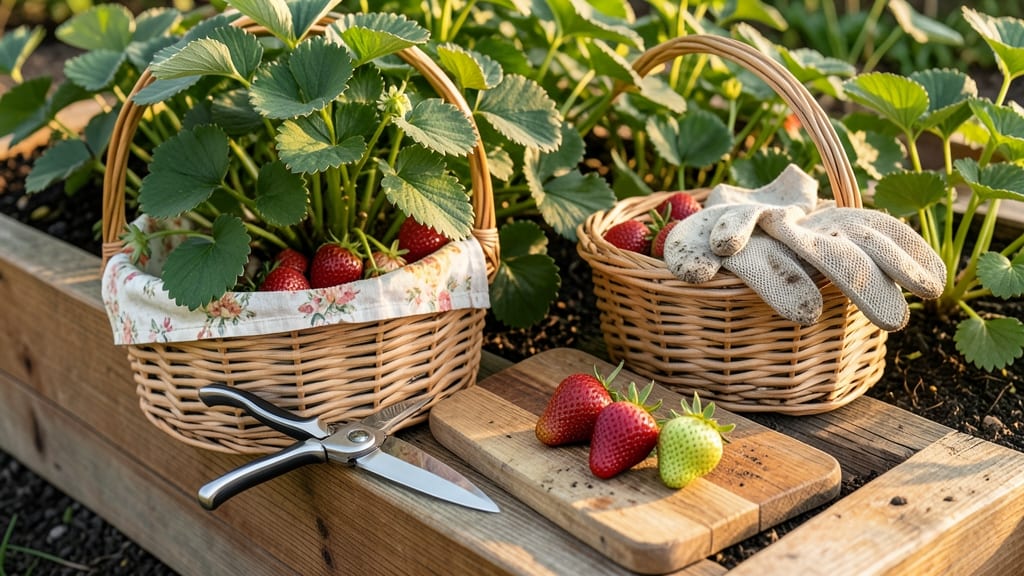
To pick strawberries at their peak sweetness and flavor, watch for deep red color, a slight give when gently squeezed, and seeds that dry to a light tan.
Strawberries that burst with flavor and sweetness start with the right timing—pick them too early, and you’ll sacrifice taste and texture. But how do you know when your berries are perfectly ripe? It’s not just about color; texture and even the seeds tell the story.
June-bearing varieties ripen all at once in June and July, while everbearing types produce smaller harvests in spring and fall. Temperature also plays a role: cooler mornings enhance sweetness, while afternoon heat can make berries soften too quickly.
In this guide, I’ll break down the three key signs of ripeness, the best time of day to harvest, and how to avoid common mistakes that ruin your strawberry crop. By the end, you’ll know exactly when to pluck each berry for the juiciest, most delicious taste.

How to tell when strawberries are ripe: 3 key signs to watch
Strawberries reach their peak flavor when they’re perfectly ripe, but many gardeners struggle to tell the difference between underripe and overripe berries. The secret lies in three simple but critical signs: color, stem flexibility, and seed maturity. Mastering these will transform your harvest from mediocre to mouthwatering.
Color is the most obvious clue, but not all red berries are ready. A fully ripe strawberry should be a deep, uniform red—not pink or patchy.
In cooler climates, like USDA Zone 5, berries may take longer to redden, while warmer zones like Zone 8 can ripen in just a few days. Always check the entire berry, not just the top.
- 1 Deep, uniform red color – No green or white patches. Varieties like Chandler or Jewel turn a vibrant red when ripe.
- 2 Flexible stem – The berry should detach easily when gently pulled (not twisted). If it resists, it’s not ready.
- 3 Dry, tan seeds – Press a seed between your fingers; it should feel dry and crumbly, not sticky or moist.
Don’t rely solely on color—some strawberries, like Albion (a day-neutral variety), stay pale yellow but still ripen fully. Instead, combine all three signs for accuracy. For example, a berry with deep red color but a firm stem likely needs another day or two.
Seed maturity is often overlooked but is a game-changer. When seeds turn from moist and white to dry and tan, the berry’s sugars have fully developed. This is especially important for everbearing varieties, which produce smaller fruit but need precise timing to avoid wasted harvests.
Regional climate plays a huge role in ripening. In cooler northern states, strawberries may ripen slower due to shorter daylight hours, while southern gardens can see faster maturation in early spring. Always adjust your expectations based on your local last frost date and average temperatures.
One common mistake is waiting until berries are overripe—soft, leaking juice, or attracting pests. Overripe strawberries lose their bright color, develop a mushy texture, and may even split open.
If you miss the window, store them in the fridge for up to 3 days to slow further ripening, but they won’t regain their peak flavor.
Pro tip: Check your strawberries every morning during peak harvest season. Early harvesting in the cool morning hours preserves sweetness and prevents berries from becoming too soft in the heat. Use clean scissors or your fingers to avoid damaging the plant.
For June-bearing varieties, which produce one large crop, timing is critical—miss the window, and you might lose the entire harvest. Everbearing types, however, offer multiple harvests, so you can afford a little more flexibility. Always prioritize consistent checks over guessing.
Once you’ve mastered these three signs, your strawberry harvests will be sweeter, juicier, and more abundant. The key is patience and attention to detail—your taste buds (and your plants) will thank you! 🌱
Best time of day and season to harvest strawberries for maximum flavor
Timing your strawberry harvest isn't just about ripeness—it's also about temperature and time of day. Strawberries picked in the cool morning hours (between 6-9 AM) taste sweeter because their natural sugars concentrate overnight.
The evening heat can make berries soft and seedy, reducing their quality. For June-bearing varieties, this window is especially critical during their peak harvest in June-July.
Seasonal timing also matters. June-bearing strawberries ripen all at once, while everbearing varieties produce smaller harvests in spring and fall. Day-neutral types, like Albion, offer continuous harvests but require frequent checks.
Always adjust your schedule based on your local climate zone—cooler regions may need to harvest earlier in the day to avoid afternoon heat stress.
| Factor | Best Practice | Why It Matters |
|---|---|---|
| Time of Day | Morning (6-9 AM) | Cooler temps preserve sweetness and texture |
| Season | June-July (June-bearing) | Peak flavor aligns with natural ripening cycle |
| Temperature | Below 75°F (24°C) | Prevents sugar breakdown and softening |
| Weather | Avoid after rain/frost | Rain dilutes flavor; frost damages cells |
| Variety Type | Check daily for everbearing | Small, frequent harvests require attention |
Never harvest strawberries after rain or frost. Rain can dilute their flavor and make them waterlogged, while frost damages cell structure, turning berries mushy. If you must harvest after rain, wait until the plants are completely dry to avoid spreading disease.
For frost-sensitive varieties, like Chandler, cover plants with row fabric if frost is forecasted during harvest season.
Temperature also affects sweetness—ideal harvesting temps stay below 75°F (24°C). Hotter conditions accelerate ripening, making berries soften quickly. If you're in a hot climate zone (like Zone 9-10), harvest earlier in the morning or provide shade cloth to protect your crop.
For cooler climates, like Zone 5, morning harvesting still works best but may need to happen slightly later due to slower daytime warming.
Pro tip: Use a small basket with holes to harvest berries—it prevents bruising and keeps them cool. Avoid overfilling containers, as crowded berries can crush and spoil faster. For large harvests, spread them on a clean towel in the shade to cool before storage.
This simple step extends freshness by up to 5 days in the fridge.
Remember, the first harvest of the season is often the sweetest. Strawberries grown in full sun with consistent watering develop more concentrated sugars. If your berries taste bland, check your growing conditions—too much shade or inconsistent watering can reduce sweetness.
With the right timing, your strawberries will be bursting with flavor every time! 🌱