
Companion Plants
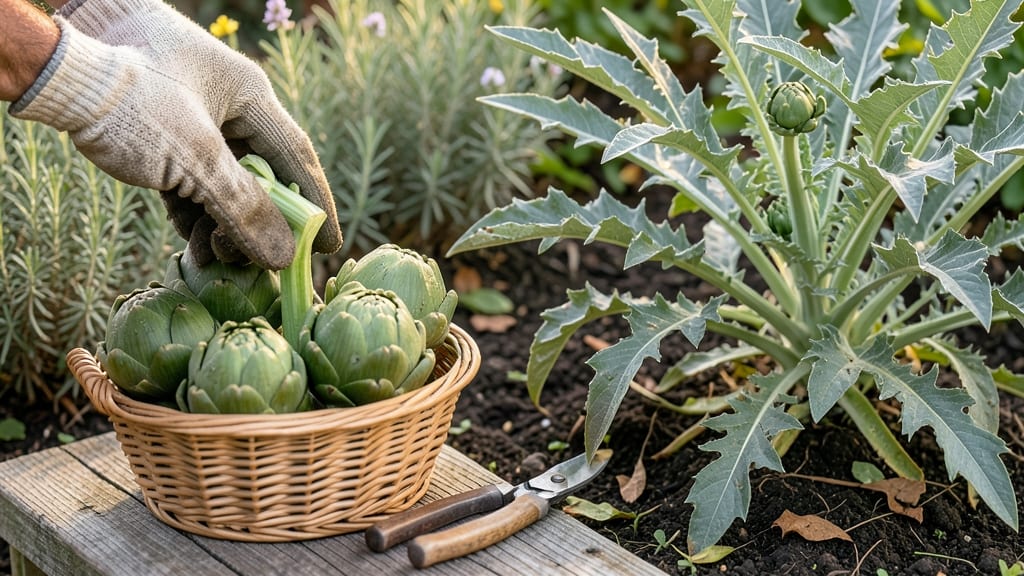
To pick an artichoke at the perfect moment means the difference between a tender, flavorful harvest and a tough, woody mess—one that even the best recipes can’t save.
Most gardeners wait until the bud looks "ready," only to find it’s already past its prime. The truth? Artichokes send three subtle signals long before they’re over-mature, and missing them means sacrificing that prized crunch and delicate texture.
From the firmness of the base to the color of the bracts, I’ll walk you through the exact cues to watch for—plus how climate and variety can shift your harvest window by weeks.
By the end, you’ll know not just when to pick, but how to store or cook them immediately to lock in freshness, so your effort pays off in every bite.

3 Key visual signs artichokes are ready for harvest (before they spoil)
Artichokes are tricky—wait too long, and you’ll end up with a leathery, fibrous mess that’s nearly inedible. The secret to perfect timing lies in three visual cues that most gardeners overlook. I’ve harvested dozens of artichokes, and these signs have never failed me.
First, focus on the bud size. A ready-to-pick artichoke should be about the size of a baseball (3-4 inches wide). Smaller buds are still developing, while larger ones are past their prime. The base of the bud should feel firm but slightly yielding when gently squeezed.
Next, examine the bract color. The outer leaves (bracts) should be a deep, vibrant green, not yellowing or browning. If you see any purple or pink tinges, the artichoke is overripe and likely woody.
This color shift happens quickly, so check your plants every 2-3 days during peak season.
The third clue is the flower formation. Look closely at the center of the bud—you’ll see tiny purple or lavender petals just beginning to emerge. If these petals are fully open, the artichoke is already past its best.
The goal is to harvest just as these petals start to peep through, not before they fully bloom.
| Sign | What to Look For | What to Avoid |
|---|---|---|
| Bud Size | 3-4 inches wide, firm base | Smaller than a baseball or larger than a softball |
| Bract Color | Deep green, no yellowing | Purple/pink tinges or browning |
| Flower Formation | Petals just peeking through | Fully open purple petals |
| Stem Test | Snaps cleanly at base | Bends without snapping or feels mushy |
🌱 Pro Tip: Use a sharp knife to cut stems at a 45° angle—this helps them last longer in storage.
One mistake I see often is assuming all artichokes ripen at the same time. In reality, early varieties like 'Green Globe' mature first, while late varieties like 'Violetto' can take weeks longer. To stay organized, label your plants at planting and check them individually every 2-3 days during peak season.
Temperature also plays a role. In hot climates (Zones 9-10), artichokes may mature faster due to prolonged heat. Conversely, in cooler zones (7-8), they’ll take longer to reach harvest size. If your area experiences unseasonable heat waves, your artichokes might ripen 1-2 weeks ahead of schedule.
Finally, don’t ignore the stem flexibility. A ready-to-pick artichoke’s stem should snap easily when bent at the base. If it bends without snapping or feels mushy, it’s either underripe or overripe. This tactile test is my final check before harvesting—it’s foolproof if you pay attention.
Once you’ve confirmed all three signs, harvest immediately. Store them in a cool, dark place (like a root cellar) for up to a week, or cook them within 2-3 days for the best texture.
Trust me, the difference between a perfect artichoke and a tough one comes down to these three simple visual cues.
Now that you’ve mastered the art of spotting the perfect artichoke, your next challenge is knowing how to test maturity with your fingers—because sometimes, what you see isn’t enough. Stay tuned for my next tip on the finger-press method to guarantee a tender harvest every time. ✂️
How to test artichoke maturity: the finger test and bract flexibility trick
Artichokes rely on tactile cues more than visual ones, and the finger test is my go-to method for pinpointing perfect harvest timing. Unlike other vegetables, artichokes don’t ripen further after picking—they’re at their peak for just 24-48 hours before texture and flavor degrade.
That’s why I always check bract flexibility and bud firmness before making the cut.
The bracts (those spiky green leaves) are your best friends here. When pressed gently with your thumb, they should feel firm but slightly yielding, like a ripe avocado.
If they dent easily, the artichoke’s overripe; if they’re rock-hard, it’s not ready yet. This simple pressure test saves me from harvesting too early or too late every season.
🚨
Harvesting artichokes too late turns the heart into tough, fibrous wood—even cooking won’t fix it. Too early, and the bud feels spongy with underdeveloped flavor. The 3-day window between firmness and flower opening is critical. Check bracts every 2-3 days in peak season (July-Sept) to catch it.
Start by gently squeezing the base of the artichoke bud where the stem meets the bracts. A ripe artichoke will have a tight, swollen base that resists slight pressure. If the bud feels hollow or the base gives way, it’s past its prime. For variety like Green Globe, this test is especially reliable—they’re notorious for turning woody if left too long on the plant.
Next, focus on the outer bracts. They should be tightly closed and glossy, with no signs of curling or browning. Run your fingers along the edges—if they’re still smooth and unbroken, the artichoke’s ready.
A pro tip? The inner bracts should also be tightly packed; if you can see gaps, the bud’s opening and it’s too late.
If you harvest too early, the artichoke will be small, underdeveloped, and lack the firm texture needed for steaming or grilling. Too late? You’ll end up with a woody, bitter mess that’s nearly inedible.
I’ve learned this the hard way—once I waited a week past the ideal window, and the artichokes were so tough I had to compost them. Now, I check maturity twice weekly during peak season.
For large varieties like Romanesco, aim for a bud size of 3-5 inches in diameter when using the finger test. Smaller varieties like Violetto can be harvested at 2 inches—just scale the test accordingly.
And remember: morning harvests yield the freshest artichokes, as evening heat can accelerate over-maturity. Store freshly picked artichokes in the fridge for up to 5 days to preserve their crispness.