
Picking
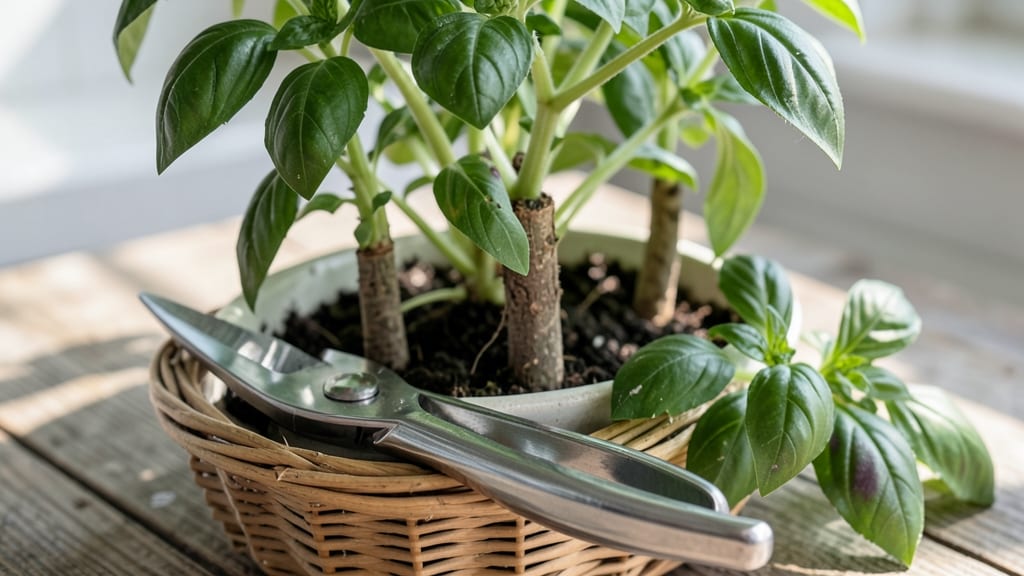
To pick basil at its sweetest flavor, wait until the plant is 6–8 inches tall with fully unfurled, dark green leaves 🌿 — that’s when the aroma and taste peak.
Miss this window, and you’ll end up with bitter, woody leaves or worse: a plant that bolts too early, sending up flowers instead of the tender growth you crave. I’ve seen it happen more times than I’d like to admit, and it’s a heartbreaker for any home cook.
Here’s the secret: harvest in the morning, when the oils are at their strongest, and always snip just above a leaf pair. This trick keeps your basil bushy and productive for weeks longer than if you yank whole stems.
Below, I’ll walk you through the exact signs to look for, how to revive a leggy plant, and why a little pruning now saves you from a flavorless harvest later.

How to identify the perfect time to harvest basil leaves
Timing your basil harvest is everything—pick too early, and you’ll get small, underdeveloped leaves. Wait too long, and you risk bitter flavors or the plant bolting (flowering prematurely). The key lies in visual and tactile cues that signal peak freshness.
I’ve learned from years of growing basil that these signs make all the difference between a disappointing harvest and a garden full of fragrant, flavorful leaves.
First, focus on the leaf size and color. Ideal basil leaves should be large, flat, and dark green, measuring about 2–3 inches long. Smaller, curled leaves aren’t ready yet—think of them as the plant’s baby greens.
When leaves reach this size, they’ve had enough time to develop their signature aromatic oils, which give basil its signature flavor.
Next, check the stem firmness. Gently pinch a stem between your fingers—it should feel slightly firm but not woody. If it bends easily, the plant is still young.
Woody stems mean you’ve missed your window, and the basil will taste harsh. This tactile test is my go-to trick for avoiding over-mature harvests.
Finally, trust your nose. Crush a few leaves between your fingers and take a deep sniff. If they release a strong, sweet basil scent, they’re ready for harvest. A weak or absent aroma means the leaves lack flavor, often due to underdeveloped oils or stress from heat or drought.
| Harvest Cue | What to Look For | Action |
|---|---|---|
| Leaf Size | 2–3 inches long, fully unfurled | Harvest outer leaves first |
| Leaf Color | Dark green, vibrant | Avoid yellowing or pale leaves |
| Stem Firmness | Slightly firm, not woody | Pinch to test—woody = too late |
| Aroma | Strong, sweet basil scent | Crush leaves to confirm |
| Plant Height | 6–12 inches tall | Harvest when bushy, not leggy |
| Flower Buds | No visible buds (bolting sign) | Remove buds immediately if spotted |
One of my biggest mistakes early on was waiting until the plant was over 12 inches tall before harvesting. By then, the lower leaves had already turned bitter, and the stems were woody.
Now, I harvest when the plant hits 6–8 inches, focusing on the outer leaves to encourage new growth. This method keeps my basil lush and productive all season long.
Time of day also matters. Basil leaves contain the highest concentration of aromatic oils in the morning, right after the dew dries but before the sun peaks. I always harvest between 8 AM and 10 AM for the freshest flavor.
If you must harvest later, store the leaves in the fridge for up to 5 days to preserve their potency.
Watch for flower buds, which signal the plant is preparing to bolt. If you spot even a single bud, pinch it off immediately—this redirects the plant’s energy back to leaf production.
Ignoring buds leads to bitter, woody stems and a dramatic drop in flavor. In my experience, removing buds can extend the harvest window by 2–4 weeks.
Another pro tip: Avoid harvesting more than one-third of the plant at once. This prevents stress and ensures the basil continues producing new leaves. I use clean, sharp pruning shears or scissors to make clean cuts just above a leaf node.
This encourages bushier growth and prevents disease from ragged cuts.
Finally, keep an eye on the weather. Basil grown in hot, dry conditions (above 90°F) can become bitter faster. If your area is experiencing a heatwave, harvest more frequently to prevent stress.
Mulching around the base of the plant helps retain moisture and keeps the roots cool, giving you a few extra weeks of peak harvests.
By mastering these cues—leaf size, stem firmness, aroma, and plant height—you’ll never miss the perfect harvest window again. My basil plants now produce continuous harvests from early summer until the first frost, all thanks to timing the picks just right.
Step-by-step basil harvesting techniques for maximum yield
Now that you’ve mastered identifying the perfect basil leaves, let’s dive into how to harvest them without damaging your plant. The right technique ensures continuous growth and prevents that dreaded woody, bitter flavor. I’ve refined my method over years of trial and error—trust me, your basil will thank you.
Start by using clean, sharp pruning shears or scissors to make precise cuts. Never yank leaves—this tears stems and invites disease. Instead, cut just above a leaf node (the point where leaves meet the stem). This encourages new shoots to grow from that spot, creating a bushier, more productive plant.
When to Pick Basil: Step-by-Step Guide
- 🌱 Morning Harvest: Pick leaves between 8–10 AM when essential oils peak.
- ✂️ Use Clean Tools: Sterilize shears with rubbing alcohol to prevent bacterial spread.
- 📏 Target Outer Leaves: Focus on the largest, darkest green leaves first to avoid stressing the center.
- 🌿 Cut Above Leaf Node: Snip just above where leaves meet the stem for new growth.
- 📅 Harvest Frequency: Pick every 2–3 weeks or when new growth appears.
- 🚫 Avoid Flower Buds: Remove any buds immediately to prevent bolting.
- 💧 Revive Leggy Plants: Prune back by ⅓ if stems stretch beyond 12 inches.
For continuous production, harvest about one-third of the plant at a time. This balance prevents stress while encouraging the basil to keep growing. I’ve found that harvesting every 2–3 weeks keeps my plants thriving—any longer, and the leaves start to taste bitter.
If your basil becomes leggy or sparse, it’s time for a rejuvenating prune.
To revive a leggy or overgrown basil plant, cut back the tallest stems by about one-third just above a leaf node. This might seem drastic, but it triggers bushier growth. Within a week, you’ll see new shoots emerging from the cut points.
I’ve used this trick to turn tall, spindly plants into lush, productive bushes—it’s like giving your basil a fresh start!
Pro tip: If your basil starts bolting (sending up flower stalks), don’t panic. Pinch off the buds immediately to redirect energy back to leaf production. For a last harvest, you can still use the leaves in pesto or drying, but they’ll lose their signature sweetness.
Bolting usually happens in late summer, so staying vigilant with harvests can delay this by 3–4 weeks.
Store harvested basil by wrapping the stems in a damp paper towel and placing them in a plastic bag in the fridge. This keeps them fresh for up to 5 days.
For long-term storage, dry the leaves or freeze them in ice cube trays with water or olive oil—perfect for winter cooking! With these techniques, you’ll enjoy homegrown basil all season long, without the bitterness or wasted plants.