
Picking
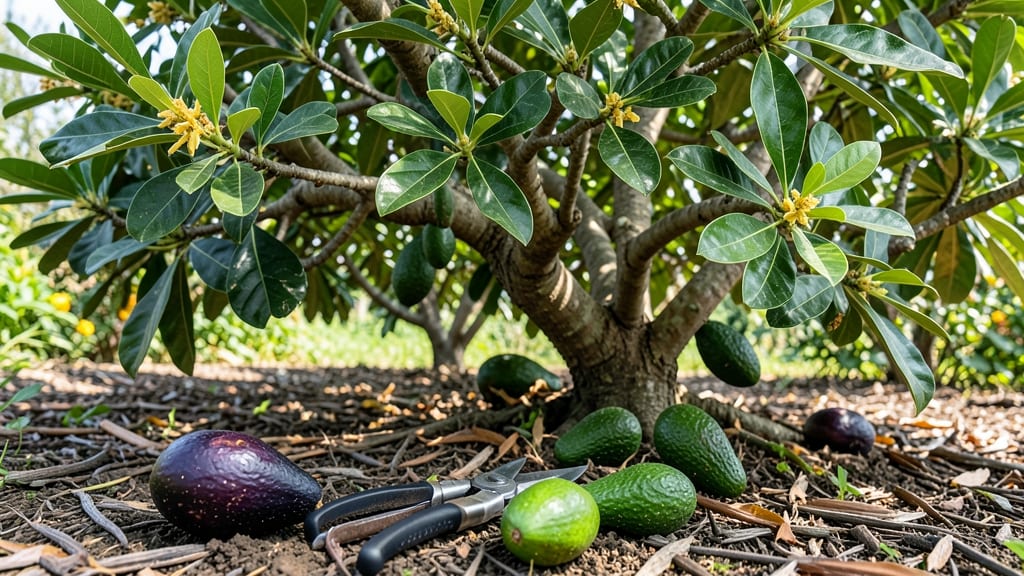
To pick avocados at the perfect moment means catching them when their flavor and texture are at their peak—before they turn mushy or too firm to enjoy.
Avocados are delicious when ripe—but picking them too early or too late can ruin your guacamole game. Whether you're harvesting from your own tree or grabbing one from the store, knowing the right time to pick makes all the difference.
A little firmness test goes a long way in ensuring that creamy, buttery goodness you crave.
Most avocados reach their ideal ripeness in late summer to fall, depending on your climate and the variety you're growing.
The key is to look for a few telltale signs: a slight give when gently squeezed, a rich color (often deeper green or purple), and a stem that separates easily. These cues tell you the fruit is ready to be picked and enjoyed.
In this guide, you’ll learn the firm-grip test and other foolproof methods to determine when your avocados are at their best.
Plus, I’ll share tips on how to ripen them at home if they’re picked a little early, so you never end up with a rock-hard avocado or a mushy mess.

How to test avocado ripeness using the firm-grip method
Mastering the firm-grip test is your secret weapon for harvesting perfectly ripe avocados straight from your tree—or selecting grocery store gems that yield to gentle pressure.
This tactile method reveals the ideal texture and internal ripeness without cutting into the fruit, making it the gold standard for home gardeners and market shoppers alike.
Avocados continue ripening after harvest, but picking them at the right tree-ripe stage ensures peak flavor and creamy texture. The firm-grip test works by assessing how much the fruit gives when pressed—think of it like testing a ripe peach.
When done correctly, you'll feel a slight but noticeable give that signals the fruit is ready to eat or can be ripened at home with confidence.
When to Pick Avocados from Your Tree
- 🌱 Watch for color change: Hass avocados turn from green to deep purple-black when ready (other varieties may stay green but darken).
- 🤏 Gently twist the fruit: If it separates easily from the stem with a slight tug, it’s tree-ripe and ready to harvest.
- 📋 Check size: Avocados should reach 70-80% of their mature size (typically 6-8 inches long for Hass).
- 🌡️ Time of year: Harvest in late summer to fall (USDA Zones 9-11) when nights are cooler.
- ✂️ Use clean pruners: Cut the stem 1/4 inch above the fruit to prevent damage.
The firm-grip test begins with a gentle but firm pressure on the avocado's skin. Use your thumb and index finger to press around the fruit's equator (widest part).
A ripe avocado should feel like a soft basketball—not rock-hard or mushy. If it springs back immediately, it's underripe; if it leaves an indent, it may be overripe.
For store-bought avocados, combine the firm-grip test with the stem test. Twist the stem gently—if it comes off easily, the avocado is tree-ripe and ready to eat. If it resists, place it in a paper bag with a banana (ethylene gas speeds ripening) and retest in 2-3 days.
Avoid buying avocados that feel too firm or too soft—they won’t ripen evenly.
Pro tip: Store ripe avocados in the fridge to slow ripening, but bring them to room temperature for 30 minutes before using. Unripe avocados can be ripened at room temperature for 1-5 days depending on their starting firmness.
Place them in a well-ventilated bag with an apple or banana to accelerate the process.
If you’re growing avocados in containers or cooler climates, harvest slightly earlier (when 70% ripe) and finish ripening indoors. Container-grown trees may produce fruit 1-2 years later than in-ground trees, so patience is key. Monitor your tree’s fruit weekly after flowering to catch the optimal harvest window.
Remember: The firm-grip test is about consistency. Practice on a few avocados to train your fingers—your sense of touch becomes more refined with experience. Over time, you’ll develop an intuition for the perfect yield, whether you’re harvesting from your backyard tree or selecting from the grocery bin.
Once you’ve mastered this method, you’ll never guess at avocado ripeness again. The firm-grip test transforms trial and error into a reliable science, ensuring every avocado you enjoy is at its peak—creamy, flavorful, and ready for your favorite recipes.
Signs of overripe vs. underripe avocados (and how to fix them)
Even with the perfect firm-grip test, avocados can still end up overripe or underripe if not handled properly. Overripe avocados develop a mushy texture and brown pits, while underripe ones remain rock-hard and tasteless.
The good news? Both issues have simple fixes to rescue your fruit and get it to the ideal buttery perfection.
Identifying overripe avocados is easier than you think. Look for these telltale signs: skin that feels too soft or leathery, dark brown or black spots, and a fermented smell near the stem.
The pit may also appear discolored or shriveled. These avocados are past their prime but can still be used in recipes like smoothies or baked goods where texture isn’t critical.
Underripe avocados, on the other hand, are firm to the touch with no give at all. They may have a pale green color and feel almost wood-like when squeezed.
The stem won’t twist off easily, and there’s no aroma near the stem end. While these won’t ripen on their own, they can be rescued with the right techniques.
Overripe vs. Underripe Avocados: Quick Fixes
Overripe Avocados
- ✅ Use immediately in recipes needing soft texture
- ✅ Freeze for later (pit removed) for smoothies
- ❌ Avoid eating raw—texture is mushy and unappetizing
Underripe Avocados
- ✅ Place in paper bag with banana/apple
- ✅ Check daily for ripeness (1-5 days)
- ❌ Avoid refrigerating until ripe—slows ripening
To fix underripe avocados, place them in a paper bag with a banana or apple. These fruits release ethylene gas, which speeds up ripening. Check them daily—ripe avocados will have a slight give when pressed and a sweet aroma near the stem.
For faster results, place the bag in a warm spot like near a sunny window.
If you’ve missed the ripening window and your avocado is too soft, don’t toss it! Use it in avocado toast with a squeeze of lemon to mask any off-flavors, or blend it into smoothies with yogurt and honey.
For underripe avocados that won’t ripen, try baking them at 200°F (95°C) for 20-30 minutes to soften them slightly for recipes like avocado chocolate mousse.
For gardeners, timing is everything. If you’re harvesting from your tree, pick avocados when they’re 70-80% ripe—they’ll continue ripening off the tree. Store them at room temperature until ready to eat, then refrigerate to slow further ripening.
With these tips, you’ll never waste another avocado again—just perfect, creamy fruit every time.
Remember, the key to avocado success is patience and observation. Whether you’re dealing with a grocery store find or your homegrown harvest, these simple techniques will help you rescue and enjoy your avocados at their best.