
Vegetables
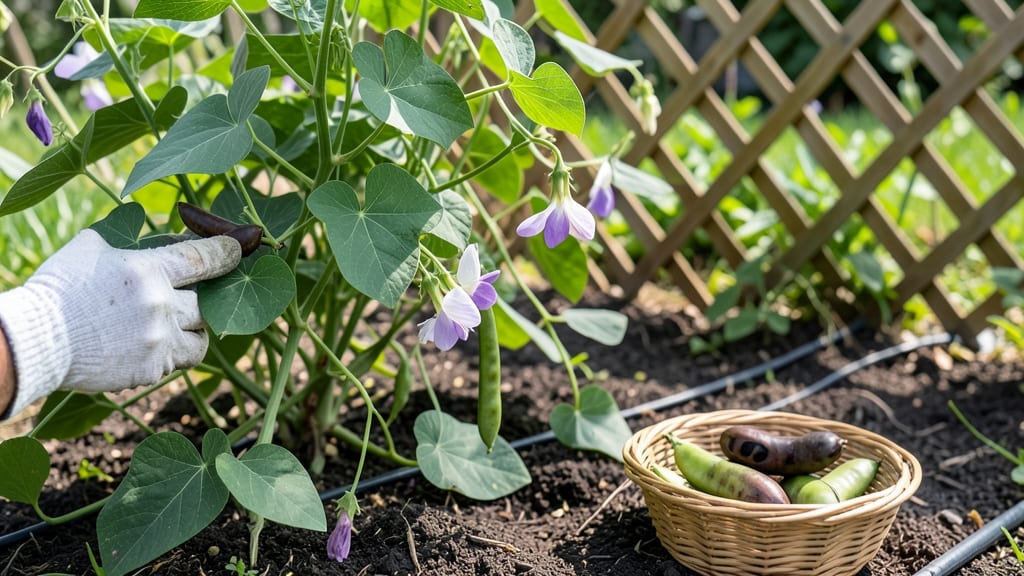
To pick black-eyed peas at their peak, watch for pods that are 2-3 inches long and slightly swollen—this is when they’re tender and packed with flavor.
Black-eyed peas (cowpeas) are a Southern gardener’s treasure—but picking them too early or late ruins their flavor and texture. Timing is everything, yet most gardeners miss the subtle cues that signal peak harvest, from heat waves to a simple vine test.
Heat waves actually trigger ripening, so pods may mature faster in hotter climates like Texas or Georgia. Meanwhile, cooler zones like USDA 6a might need an extra week or two. The key is checking for firm pods with visible but not overgrown seeds.
In this guide, I’ll break down the 2-minute vine test and regional timing so you never miss the sweet spot—whether you’re harvesting pods or saving seeds for next year.

How heat waves and pod color signal perfect black-eyed pea harvest time
Black-eyed peas thrive under Southern heat, but those scorching 90°F+ days actually trigger their harvest readiness. When temperatures spike, your plants accelerate pod maturation—turning bright green pods into the perfect yellowish-green hue that signals peak flavor.
This isn't just about heat stress; it's your plant's way of saying, "I'm ready!"
Watch for pod color shifts first—bright green means "not ready," while that muted yellow-green is your golden ticket. The color change happens fastest during heat waves, so check your vines every 2-3 days during these periods.
Miss this window, and you'll end up with overripe pods that turn tough and fibrous.
Here’s the science: Heat waves increase ethylene production in cowpeas, which softens pod walls and develops sugars. This same process that makes your peas sweeter also makes them more perishable—so timing is critical.
If you're in USDA Zone 8-10, expect harvest cues to appear 60-75 days after planting, often aligning with July-August heat peaks.
Don’t rely on pod size alone—2-3 inch pods can still be underripe if they’re bright green. Instead, look for pods that feel firm but slightly plump, with seeds clearly visible through the pod skin. These are your ready-to-pick indicators, backed by both color and texture.
| Stage | Pod Color | Pod Firmness | Seed Development | Heat Trigger |
|---|---|---|---|---|
| Not Ready | Bright green | Very firm/hard | Seeds barely visible | Before heat wave |
| Perfect Harvest | Yellowish-green | Firm with slight give | Seeds clearly visible | During heat wave |
| Overripe | Dull green/brown | Soft/mushy | Seeds fill pod | After heat wave |
Southern gardeners know that purple hull varieties change color differently—they develop a purplish tint before ripening. But even these need that heat-induced softening to reach peak sweetness. If you're growing both purple hull and cream varieties, check them separately since purple hulls often mature 5-7 days later.
Heat waves also affect pod texture. Ready-to-pick pods should crack slightly when gently squeezed—like a ripe avocado. If they don't give at all, they're underripe; if they crush easily, you've missed your window. This 2-second vine test saves more peas than any calendar ever could.
One common mistake? Waiting for pods to turn completely yellow. By then, they're often overmature and stringy. The yellowish-green stage is your sweet spot—where pods are tender, seeds are plump, and flavor peaks. Think of it as the black-eyed pea's "just-right" Goldilocks zone.
Regional differences matter too. In Texas heat, pods may ripen 2 weeks earlier than in Georgia's humid climate. Pay attention to your local heat wave patterns—consistent 95°F+ days accelerate ripening, while sudden heat spikes can cause uneven maturation across your plants.
Pro tip: Harvest in the morning after a heat wave when pods are cool and crisp. This is when their sugar content is highest and texture is firmest. Store harvested peas in the fridge for 3-5 days or blanch and freeze for long-term storage—just don't wait too long to pick!
The 2-Minute vine test: a gardener’s secret to avoid overripe or underripe black-eyed peas
Black-eyed peas thrive when you pick them at the perfect moment—neither too hard nor too soft. The 2-minute vine test is my foolproof way to check ripeness without guessing. This tactile method reveals whether pods are ready to eat or still need time on the vine.
Start by selecting a mature-looking pod (2-3 inches long) and gently grasp it between your thumb and forefinger. Apply slight pressure—if the pod feels firm but yields slightly, it’s likely ready. This simple test beats relying on pod size or color alone, which can mislead you.
🌱 Pro Tip: Purple hull varieties often feel slightly firmer than cream hull types at peak ripeness. Adjust your pressure test accordingly to avoid overpicking.
⚠️ WARNING: Common Mistakes That Ruin Your Harvest
Picking based on pod size alone is a trap—some varieties stay small but mature perfectly. Overripe pods (3+ inches) become tough and stringy, while underripe ones (1-2 inches) taste bland. Always combine the vine test with visual checks.
💡 Heatwave Alert: In USDA Zone 8+, pods may ripen 1-2 weeks faster during summer heat. Test pods earlier in these climates to avoid missing the window.
Next, examine the seed development through the pod’s translucent skin. At peak ripeness, seeds should be clearly visible but not bulging. If seeds fill the pod completely, the peas are past their prime—save these for drying instead of eating fresh.
For purple hull varieties, watch for a slight color shift from deep purple to a muted hue. Cream hull types should turn a pale yellow-green. These subtle changes signal the perfect moment to harvest before flavors fade or pods toughen.
🌿 Variety-Specific Tip: 'Black Valentine' pods often ripen unevenly—test multiple pods on the same vine to account for variations. Always harvest on cool mornings to preserve pod tenderness.
Finally, give the vine a gentle tug near the pod’s stem. If it resists slightly but the pod detaches cleanly, it’s ready. Excessive resistance means the pod needs more time, while easy detachment signals overripeness. This final check ensures you never miss the sweet spot.