
Picking
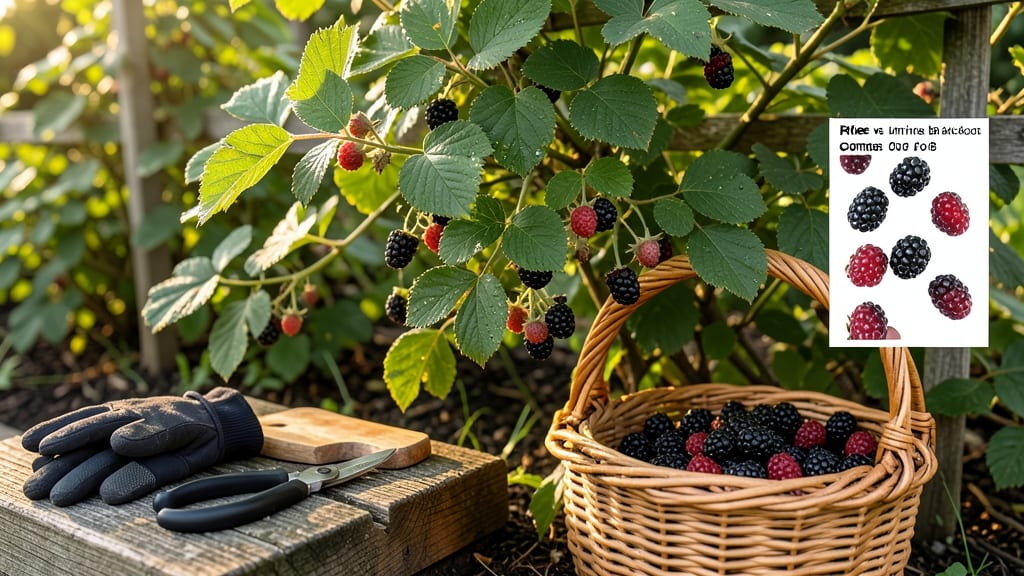
To pick blackberries at their sweetest, wait until they’re fully dark and plump—usually between late summer and early fall in most climates.
Picking too early means tart, mealy berries that fall apart, while waiting too long risks attracting pests or losing them to birds. The key is timing: ripeness isn’t just about color but also firmness and a gentle twist that frees the berry from the plant.
You’ll also want to test the seeds—ripe blackberries have fully developed, slightly gritty seeds that signal peak flavor. Below, I’ll walk you through the three foolproof methods to nail the perfect harvest, plus how to store them so they stay fresh for days.
Whether you’re a backyard gardener or a small-farm grower, these tips will help you avoid common mistakes and enjoy blackberries at their absolute best.

How to test blackberry ripeness: 3 key methods for perfect picking
Blackberries are at their peak when they balance color, texture, and seed development. I’ve learned the hard way that picking too early means tart, mealy berries, while waiting too long risks losing them to birds or overripening.
The good news? These three simple tests will help you harvest blackberries at their sweetest, juiciest, and most flavorful.
First, let’s address the most common mistake: relying only on color. While deep black or purple hues are a good sign, they’re not enough alone. You also need to check firmness and seed readiness. Together, these methods create a foolproof system for perfectly ripe blackberries every time.
🌱 3 Ways to Test Blackberry Ripeness
- 1
- 2
- 3
Let’s start with the color test, which is the most visual cue. Ripe blackberries should be a deep black or purple with no green or red patches. I’ve noticed that some varieties, like ‘Triple Crown’, stay slightly lighter, so always cross-check with the other tests.
If you see even a hint of green, the berry needs more time on the vine.
The firmness test is where many gardeners go wrong. A ripe blackberry should feel soft but not mushy—like a slightly overripe peach. To test, gently press a berry between your thumb and forefinger.
If it feels firm, it’s underripe. If it squishes easily, it’s overripe. This test is especially critical for thornless varieties, which can be trickier to judge by color alone.
Here’s a pro tip I learned from my garden journal: the seed test is the most reliable indicator of true ripeness. Cut open a berry and examine the seeds. Fully ripe blackberries have plump, dark seeds that feel slightly gritty when chewed.
If the seeds are pale or underdeveloped, the berry isn’t ready. This method works even for early-season varieties that ripen before turning fully dark.
Timing matters too—morning harvests often yield sweeter berries because the sugars concentrate overnight. I always pick between 7 AM and 9 AM to avoid the heat of the day, which can make berries softer and more prone to bruising.
If you’re harvesting later, work quickly and store them in the fridge until you’re ready to use them.
One common mistake I see in community gardens is picking berries that haven’t fully detached from the plant. A truly ripe blackberry should come off with a gentle twist.
If you’re pulling or tearing, it’s not ready. This is especially true for floricane varieties, which produce berries on second-year canes. Give them the time they need!
For container-grown blackberries, ripeness tests are even more critical because space is limited. I’ve found that dwarf varieties like ‘Apex’ ripen faster and are best picked when they’re slightly softer than their bush-grown counterparts. Always check the seeds—this is your best bet for consistent flavor in small spaces.
Finally, don’t forget about post-harvest care. Once picked, blackberries should be stored in a single layer on a paper towel-lined tray in the fridge. They’ll keep for 3-5 days this way.
If you’re not using them immediately, consider freezing them whole or in syrup for later use. Proper handling after the pick ensures you don’t waste all that hard work!
Mastering these three tests will transform your blackberry harvest from hit-or-miss to consistently delicious. Next time you’re in the garden, take a moment to test a few berries—your taste buds will thank you! 🌱
Best time of day and season to harvest blackberries for maximum sweetness
Timing your blackberry harvest correctly can transform tart berries into sweet, juicy treats. The best time of day to pick is early morning, between 7 AM and 9 AM, when temperatures are cooler.
This reduces stress on the berries and allows sugars to concentrate overnight. I’ve found that harvesting during this window also minimizes bruising, which happens more easily when berries are warm.
Seasonally, blackberries typically ripen between late July and early September in most temperate climates. However, this window shifts based on your USDA hardiness zone and local microclimates. In warmer zones (8-10), berries may ripen as early as June, while colder zones (5-6) might see harvests extending into October.
Understanding these variations ensures you don’t miss the peak or pick berries too late.
Here’s how different factors affect your harvest timing:
Sunlight exposure plays a critical role in ripeness. Blackberries grown in full sun (6-8 hours daily) develop deeper color and richer flavor. If your plants are in partial shade, expect berries to ripen more slowly and may lack the same sweetness.
I’ve noticed this especially with thornless varieties, which often need extra sunlight to compensate for their lower vigor.
For container-grown blackberries, timing is even more critical because their root systems are limited. In pots, berries may ripen 1-2 weeks earlier than bush-grown plants. I recommend checking ripeness daily once you see color changes, as containers can overheat quickly.
Always prioritize the seed test for these plants—it’s the most reliable indicator when growing conditions vary.
One mistake I see often is harvesting after rain. Wet berries bruise easily and can develop fungal issues. If you must pick after rain, wait until the plants are dry and work gently to avoid damaging the canes.
For floricane varieties, which produce berries on second-year canes, rain can also wash away pollen, leading to smaller, less flavorful fruit. Always check the forecast before planning your harvest.
Finally, store picked blackberries properly to extend their freshness. Place them in a single layer on a paper towel-lined tray in the fridge, and use them within 3-5 days.
For long-term storage, freeze them whole or in syrup. Proper timing and handling mean the difference between mealy, tart berries and sweet, juicy treats straight from your garden. 🫐