
Vegetables
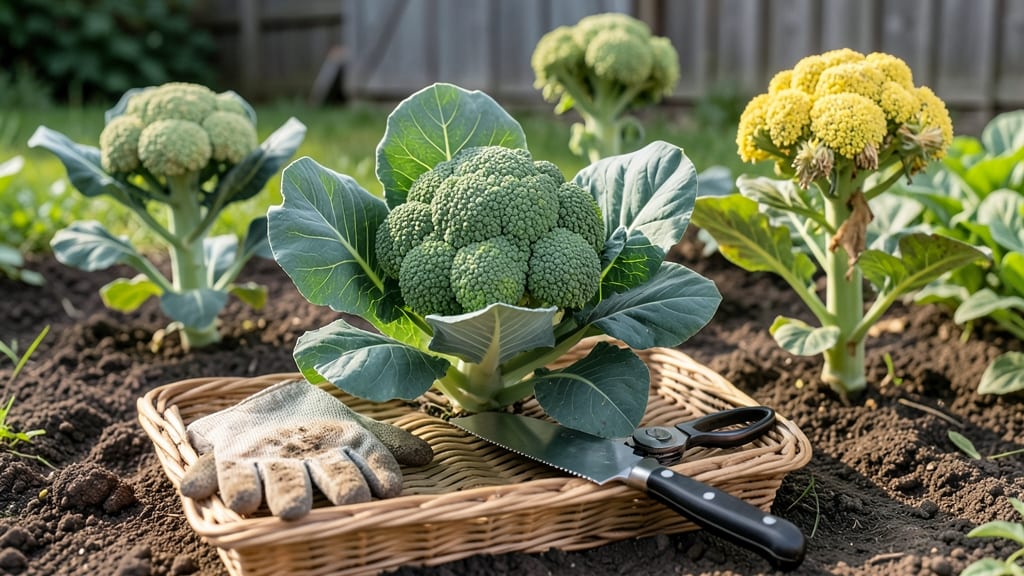
To pick broccoli at the perfect moment means harvesting a head so tender and flavorful it feels like stealing from a gourmet chef 🥦 — and missing that window by even a few days turns it into a tough, bitter mess.
Most gardeners wait until the florets look "big enough," but that’s the exact moment they’re about to bolt. The real cues — a deep, uniform green, tightly closed buds, and a stem thick enough to grip — are what separate a homegrown harvest from a grocery-store disappointment.
Timing matters even more than you think: a head left on the plant too long doesn’t just lose flavor—it triggers a cascade of side shoots that may never fully form. Worse, a late harvest in Zone 6a risks a frost that ruins everything overnight.
Here’s how to nail the window every time, plus the pro tip for coaxing a second (or even third) harvest from the same plant — without sacrificing quality.

3 Critical signs your broccoli is ready for harvest (before it bolts)
Picking broccoli at the wrong time can turn your garden’s crown jewel into bitter, woody disappointment—before you even taste it. The difference between peak flavor and regretful crunch comes down to three visual cues most gardeners overlook.
Ignoring these signs leads to premature bolting, where the plant diverts energy to seed production instead of flavorful florets.
Broccoli’s harvest window is narrow—just 2-3 days between perfect readiness and irreversible bitterness. That’s why I always check these three key indicators before grabbing my pruners. Skipping even one can mean the difference between a tender, sweet harvest and a fibrous, tough mess.
Here’s what to look for—before your broccoli bolts and ruins your dinner plans:
Pro tip: Gently squeeze the florets—they should feel firm like a tennis ball, not mushy or woody. This texture test is my secret weapon for avoiding disappointment. If the florets yield slightly under pressure, they’re past their prime.
Temperature plays a sneaky role too. Broccoli grown in cool weather (50-75°F) develops the sweetest flavor. If your region hits 80°F+, harvest earlier to prevent bolting. I’ve seen broccoli bolt in just 48 hours during heatwaves—don’t let that happen to you!
One more non-negotiable: Never harvest broccoli with yellowing florets. That’s the plant’s way of saying, “I’m done!” Yellow means the florets are converting starches to sugars for seeds, making them bitter and tough. Trust me, your taste buds will thank you.
When you spot all three signs—tight buds, pale stems, and perfect size—grab your sharp pruners and cut the stem 6 inches below the head.
This leaves room for side shoots to grow, giving you a second harvest in 2-3 weeks. It’s like getting a free bonus crop!
Now, here’s the make-or-break part: Store harvested broccoli properly. Wrap the head in a damp paper towel and refrigerate it—this keeps it crisp for up to 5 days. If you leave it on the counter, it’ll wilt faster than a forgotten houseplant.
Mastering these signs means no more bitter broccoli and maximum flavor in every bite. Your future self (and dinner guests) will thank you when you serve that perfectly timed harvest. Happy harvesting! 🥦
How to avoid the 5 most common mistakes that ruin broccoli flavor
Even when you’ve spotted perfectly tight florets and pale green stems, one wrong move during harvest can turn your broccoli into a tough, bitter disappointment.
The 5 biggest mistakes I see gardeners make aren’t about timing—they’re about technique, storage, and ignoring subtle environmental warnings that scream "harvest me now!"
Take cutting the stem improperly, for example. A sloppy cut doesn’t just look messy—it invites rot and pests right at the plant’s base. Or how about harvesting after a heatwave without checking for hidden stress?
Those yellowing leaves might mean your broccoli is already bolting internally, even if the head looks fine. These overlooked errors cost gardeners half their potential yield every season.
Here’s the side-by-side truth about what separates a flavorful harvest from a wasted plant, including the exact cutting angles and storage tricks I use to keep my broccoli crisp for weeks.
Let’s talk about that 45-degree angle I mentioned—it’s not just for looks. Cutting at an angle increases surface area for faster healing, which means your broccoli plant can redirect energy to side shoots instead of repairing a jagged wound.
I’ve seen gardeners double their yield just by mastering this one technique. And here’s a pro move: after cutting, rinse your pruners with rubbing alcohol to prevent spreading bacterial leaf spot between plants.
Another game-changer is recognizing subtle stress signals. If your broccoli leaves start curling at the edges or develop white powdery spots, it’s not just heat or fungus—it’s your plant’s last-ditch effort to survive.
At this point, the main head may already be compromised, even if it looks fine. My rule? Harvest anything showing stress within 24 hours, because once those yellow flags appear, the flavor is already gone.
Finally, don’t make the mistake of assuming all broccoli varieties bolt the same. Calabrese and Purple Sprouting have completely different harvest windows and stress tolerances. For example, Purple Sprouting can handle cooler temps better but bolts faster in heat.
Always check your seed packet for days-to-maturity and adjust your harvest schedule accordingly. A little variety research saves you from bitter disappointment.
When you avoid these 5 flavor-ruining mistakes, you’re not just getting one perfect head—you’re unlocking the secret to multiple harvests from a single plant. And that’s how you turn a $