
How To
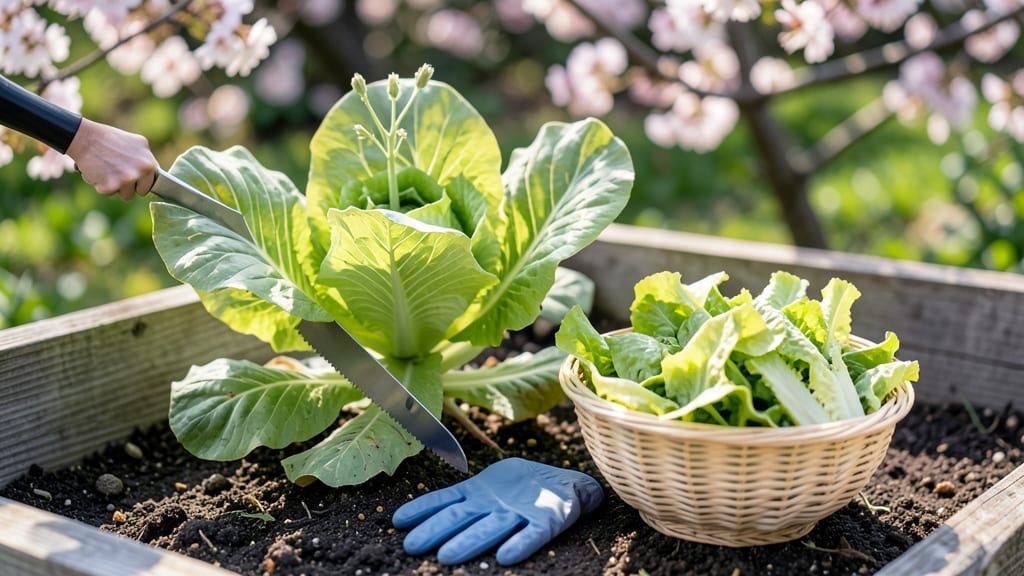
Picking butter lettuce 🥬 at the right time means the difference between a salad bursting with crisp, sweet flavor and one that’s bitter or wilted.
Butter lettuce’s delicate leaves can go from crisp perfection to bitter disappointment in days—missing the ideal harvest window means wasted effort. Mastering the leaf color shift and stem snap test ensures you pick butter lettuce at its peak flavor and texture, every time.
You might think all you need to do is wait until the leaves grow big enough, but timing matters more than you’d expect. Too early, and the leaves lack flavor; too late, and they bolt or turn tough.
The key is knowing when the outer leaves reach 2-3 inches while the inner ones stay tender.
In this guide, I’ll walk you through the exact signs to watch for—like vibrant color and a clean stem break—and share practical tips to harvest without damaging your plants.
Whether you’re growing butter lettuce in spring or fall, these tricks will help you enjoy the freshest, most flavorful greens all season.

How to identify butter lettuce’s perfect harvest window using leaf color
Butter lettuce’s leaf color is your best indicator of harvest readiness. Unlike bold green varieties, butter lettuce develops subtle color shifts that signal peak flavor and texture. The ideal window occurs when outer leaves reach 2-3 inches with vibrant deep green hues and crisp edges.
Missing these cues means sacrificing tender, sweet leaves for bitter or tough ones.
Sunlight exposure dramatically affects these color shifts. Lettuce grown in partial shade (4-6 hours daily) develops softer buttery yellow-green tones, while full sun can cause yellowing edges or premature bolting. Pay close attention to the vein patterns—prominent white veins indicate maturity, while faint veins suggest underripe leaves.
The outer leaves are your first harvest signal. When they reach 2-3 inches and display a consistent deep green (not pale or yellowing), it’s time to harvest.
Inner leaves may still be small but will follow suit in 5-7 days. Ignoring this cue leads to overmature lettuce with tough, bitter leaves.
🌱
Overripe butter lettuce reveals itself through yellowing edges and brown leaf tips, a clear sign the plant has bolted or suffered heat stress. These leaves develop a fibrous texture and bitter taste, making them unsuitable for salads.
The key is to harvest outer leaves first, leaving the inner rosette to continue growing for 10-14 days of additional harvests.
Sunlight intensity plays a critical role in these color shifts. Morning sun (6 AM–10 AM) enhances chlorophyll production, deepening green hues, while afternoon sun (especially in summer) can cause stress-induced yellowing.
If your lettuce develops yellowing between veins, it’s likely suffering from nutrient deficiency or overwatering. Adjust care immediately to salvage the crop.
For container growers, leaf color shifts happen faster due to limited root space. Monitor your butter lettuce daily, especially in spring and fall, when cooler temperatures slow maturity. A deep green base with lighter green edges is ideal—this indicates balanced growth and optimal harvest readiness.
💧
Pro tip: Use a hand lens to inspect leaf veins for white or pale green streaks. These are a foolproof sign of maturity, as they indicate the plant has allocated resources to leaf development rather than stem growth.
Combine this with the stem snap test (covered in the next section) for 100% accuracy in determining harvest readiness.
Remember, butter lettuce’s color evolution is a daily process. Check your plants every 2-3 days during peak growing seasons (spring and fall) to catch the perfect harvest window. Missing it by even 48 hours can turn crisp perfection into tough, bitter disappointment.
☀️
The stem snap test: a pro gardener’s secret for butter lettuce readiness
When your butter lettuce 🥬 reaches the right size but you’re unsure if it’s truly ready, the stem snap test becomes your most reliable tool. This simple method reveals whether the plant is at its peak flavor and texture without damaging the entire head.
Unlike other leafy greens, butter lettuce has a delicate stem structure that responds predictably to gentle pressure when mature.
The test works because butter lettuce’s cell walls soften as it matures, making the stem easier to break cleanly. A crisp snap indicates perfect harvest timing, while a bend or tear suggests the plant needs more time.
I’ve used this method for years to avoid picking lettuce that’s either too young or past its prime—both of which ruin salads.
To perform the test correctly, focus on the outer leaves first, as they mature before the inner ones. Hold the leaf about 1 inch from the base and pull downward with steady pressure.
The ideal sound is a sharp crack, not a dull tear. If the leaf pulls away without resistance, the lettuce is likely overripe and may already be bolting.
Butter lettuce’s loose stem structure can sometimes throw off the test, especially in loose, sandy soil. If the stem feels too flimsy, check the leaf color instead—vibrant green with no yellowing edges confirms readiness.
For container-grown lettuce, gently squeeze the soil around the roots; if it resists slightly, the plant is likely ready.
False positives often happen when testing in morning dew or after heavy rain, as moisture weakens the stem. Always perform the test in the late morning when leaves are dry.
If your lettuce snaps too easily before reaching 2-3 inch leaves, it may be a variety prone to premature bolting, like 'Black Seeded Simpson.' In this case, harvest the outer leaves first to extend the plant’s productivity.
Mastering the snap test means you’ll never again guess whether your butter lettuce is ready. Once you hear that satisfying crack, you’ll know you’re about to enjoy the crispest, sweetest greens your garden has to offer—no bitterness, no toughness, just perfect flavor.
Practice on a few plants first, and soon you’ll be harvesting like a pro. 🌱