
How To
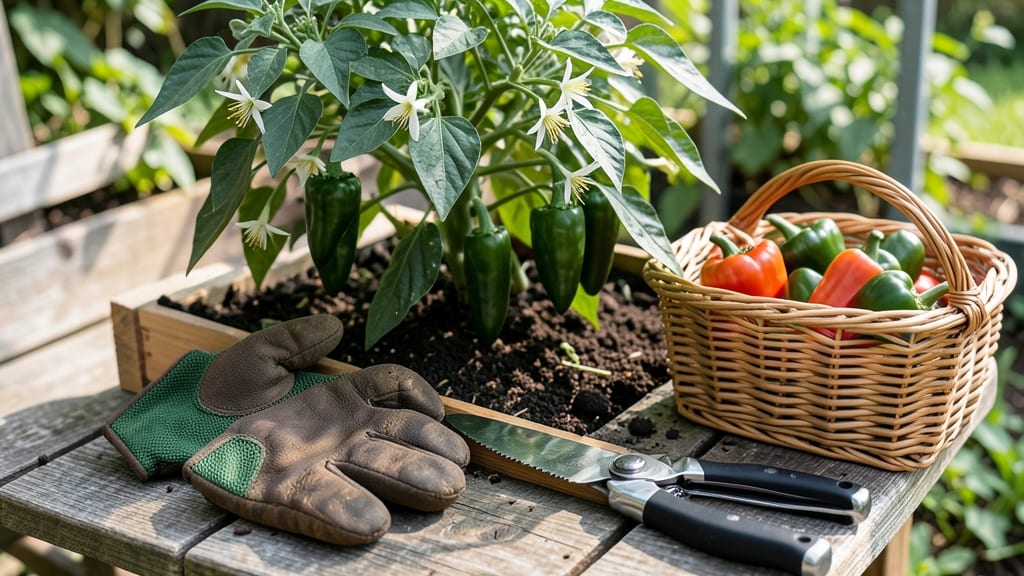
Picking Carmen Italian sweet peppers at the right time means the difference between a burst of sweetness and a bitter disappointment 🌶️ — and the secret lies in heat waves, not just color.
Timing is everything when harvesting Carmen Italian sweet peppers—pick too early and you’ll sacrifice sweetness, too late and the flavor turns bitter. Mastering these heat wave triggers ensures your peppers burst with the perfect balance of sugar and mild spice every time.
Most gardeners wait for the classic red or orange hue, but temperature is the real game-changer. Peppers ripen fastest when daytime highs hit 75-95°F, so check the forecast before you grab those shears.
Below, I’ll walk you through the 5 key signs your Carmen peppers are ready—from size and firmness to the subtle shift in stem color—and how to adjust for your local climate.


Heat wave triggers: how temperature and weather affect Carmen pepper ripeness
Your Carmen Italian sweet peppers ripen faster during heat waves, but not all heat is created equal. The magic happens between 75-95°F—any hotter, and you risk flavor degradation or even sunburn. Humidity plays a role too, with 40-60% humidity being ideal for balanced ripening.
In southern climates (Zones 8-10), peppers often ripen aggressively in summer, while northern growers (Zones 5-7) may need to extend the season with row covers. The key is monitoring daytime highs and adjusting harvest timing accordingly.
Here’s how temperature extremes affect ripening:
| Temperature Range (°F) | Ripening Speed | Flavor Impact | Harvest Adjustment |
|---|---|---|---|
| Below 70°F | Slow | Mild, less sweet | Wait longer, check firmness |
| 75-95°F (ideal) | Fast | Sweet, balanced | Harvest every 2-3 days |
| Above 95°F | Very fast | Risk of bitterness | Pick sooner, shade plants |
Watch for color shifts as your first clue—Carmen peppers start green and mature to deep red or orange. However, color alone isn’t enough; texture changes are critical. Overripe peppers develop a leathery skin and hollow centers, while underripe ones stay firm but bland.
In humid climates, peppers may ripen unevenly due to fungal pressure. Prune lower leaves to improve airflow and reduce disease risk. Southern growers should also mulch heavily to prevent soil-borne pathogens from affecting ripening.
Northern gardeners face a different challenge: shorter growing seasons. If your area rarely hits 75°F, consider using black plastic mulch to warm the soil and accelerate ripening. This trick can add 1-2 weeks to your harvest window.
Never ignore stem color—a yellowing base signals peak ripeness. Green stems mean the pepper needs more time, while brown or shriveled stems indicate it’s past its prime. This visual cue is your best defense against overripening.
Extreme heat can also cause blossom-end rot, where the pepper’s tip turns black. To prevent this, maintain consistent soil moisture and add calcium-rich compost before planting. This ensures your Carmen peppers ripen without blemishes.
For container growers, heat waves demand extra vigilance. Move pots to partial shade during 100°F+ days and water deeply in the early morning to cool the roots. Containers dry out faster, so monitor soil moisture daily.
Remember: harvest frequency matters. Picking peppers regularly encourages more production. If you wait too long, the plant shifts energy to seeds instead of fruit, leaving you with fewer, larger peppers that may lack sweetness.
By tuning into these heat wave triggers, you’ll harvest Carmen peppers at their sweetest—just in time for summer salads and grilling. The secret? Pay attention to the weather forecast and your peppers’ visual cues 🌡️.
Visual and tactile cues: 5 key signs your Carmen peppers are ready for harvest
Now that you understand how heat waves accelerate ripening, let’s focus on the visual and tactile cues that tell you when your Carmen Italian sweet peppers are truly ready for harvest.
These signs go beyond just color—they include size, firmness, and even the way the pepper detaches from the stem.
Most gardeners wait for the classic deep red or orange hue, but Carmen peppers can fool you if you rely solely on color. For example, a pepper might turn red but still taste bland if it’s underripe.
The secret is combining multiple cues to avoid common mistakes like harvesting too early or waiting too long.
- 🍅 Size: 6-8 inches long – Carmen peppers typically reach peak sweetness at this length. Smaller peppers (under 4 inches) are usually underripe and lack flavor.
- 🌡️ Color: Deep, consistent red/orange – Look for a uniform hue, not patchy or pale shades. Green streaks mean the pepper needs more time.
- ✂️ Skin firmness: Slightly yielding but not mushy – Gently squeeze the pepper. It should feel firm but give slightly, like a ripe avocado. Overripe peppers feel leathery or hollow.
- 🌱 Stem detachment: Snaps cleanly at the base – Twist the pepper gently at the stem. If it separates easily with a slight crack, it’s ready. A green stem means it’s too early; a brown or shriveled stem means it’s past prime.
- 🌿 Glossy sheen: Slightly shiny surface – A healthy, ripe Carmen pepper has a subtle glossiness. Dull or wrinkled skin signals overripeness or stress.
One of the biggest mistakes I see is harvesting peppers that are green at the stem. This is a clear sign they’re not ready—even if the rest of the pepper has turned red.
The stem color is your most reliable cue because it reflects the pepper’s internal ripeness, not just its exterior appearance.
For visual learners, compare a ready Carmen pepper to an underripe one. A ripe pepper will have a deep, vibrant color, while an underripe one may look dull or uneven.
Take a photo of your first ripe pepper as a reference for future harvests—this helps you spot the subtle differences over time.
If you’re unsure whether a pepper is ready, perform the firmness test. Press your thumb gently against the skin. A ripe pepper should yield slightly but not feel soft or mushy.
This tactile check is especially useful in humid climates, where peppers may ripen unevenly due to moisture stress.
Remember: harvesting too late is just as bad as harvesting too early. Overripe Carmen peppers develop a hollow center and lose their sweetness, becoming bitter or mealy. When in doubt, pick a pepper and taste it—this is the ultimate test for peak ripeness!