
Vegetables
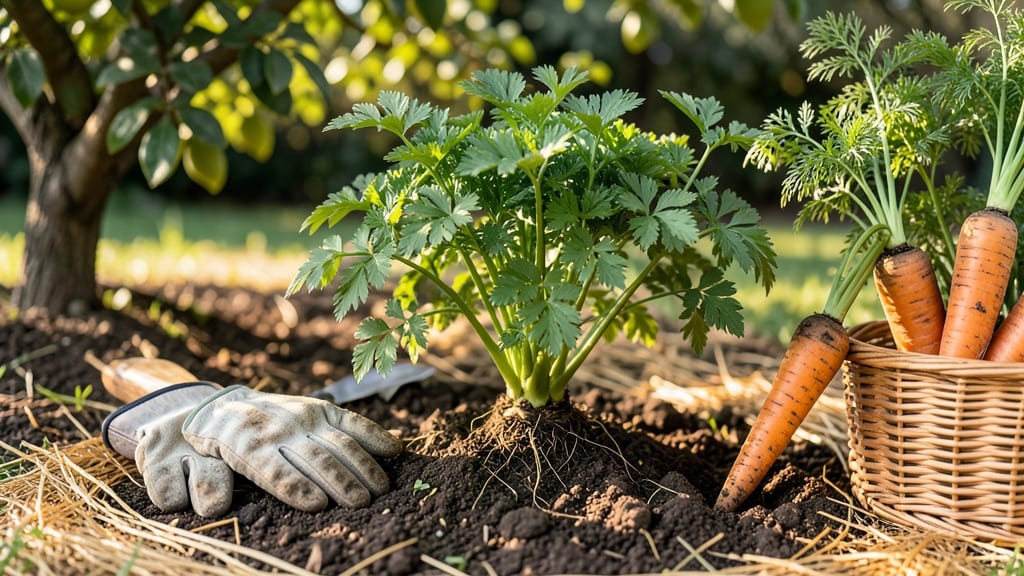
To pick carrots at the perfect time means harvesting sweet, crisp roots that stay fresh longer—before they turn woody or bolt.
Most gardeners wait too long, ending up with tough, bitter roots that snap when pulled. The secret? Three simple soil checks that tell you exactly when to harvest, whether you’re growing baby carrots or full-sized roots.
In this guide, I’ll walk you through how to read the soil, spot the right size and color, and avoid common mistakes like pulling them after rain or during heatwaves. You’ll also learn how to store your harvest so it stays crisp for weeks.
Ready to go from guessing to knowing? Let’s dig in.

3 Soil checks to determine when carrots are ready to harvest
Harvesting carrots at the right moment means the difference between sweet, crisp roots and tough, fibrous ones. Unlike leafy greens, you can't judge maturity just by looking at the tops—you need to check the soil and roots themselves.
I’ve learned the hard way that waiting too long turns my prized carrots into woody sticks, while pulling too early means underdeveloped flavor. These three simple soil checks will help you nail the perfect timing every time.
The key to harvesting carrots at peak sweetness lies in understanding three critical factors: root size, soil resistance, and visual maturity cues. Most gardeners focus only on the tops, but the real action happens underground.
For example, a carrot might look "ready" with lush green foliage, but its root could still be small and underdeveloped. By combining tactile tests with visual inspections, you’ll avoid common mistakes like harvesting after frost or missing the sweet spot before roots turn woody.
3 Soil Checks for Perfect Carrots
-
1. Root Size Check
Gently brush away soil to expose the shoulder of the carrot. For most varieties, roots should be 3–6 inches long (check seed packet for specific types). Baby carrots (harvested at 2–3 inches) are tender but less sweet. Use a ruler for accuracy—this prevents overcrowding and ensures even growth. -
2. Soil Resistance Test
Press your thumb into the soil around the carrot. If the root resists pressure and feels firm (not mushy), it’s ready. Overly soft soil means the carrot is still growing; hard, compacted soil signals it’s past its prime. This test works best in loose, well-draining soil—rocky or clay-heavy soil can trick you into harvesting too early. -
3. Color and Texture Inspection
Expose the root and check for deep color (orange, purple, or yellow, depending on variety) and a thick, crisp skin. Thin-skinned carrots are underripe; dull or cracked skin means they’ve been in the ground too long. Pro tip: Orange carrots should have a vibrant hue, not a pale or greenish tint (a sign of bolting).
🌱 Why it matters: These checks prevent woody roots, uneven sizes, and wasted effort—saving you time and frustration.
One of the biggest mistakes I see gardeners make is relying solely on the leafy tops to judge maturity. While healthy foliage is a good sign, it doesn’t tell the full story. For instance, carrots grown in poor soil might produce lush tops but tiny, stunted roots.
That’s why I always combine visual checks with tactile tests—like the soil resistance method. If you’ve ever pulled a carrot only to find it snaps off at the shoulder, you know how frustrating (and wasteful) that is.
Timing your harvest also depends on your climate zone and carrot variety. In cooler regions (USDA Zones 3–5), aim to harvest before the first frost, which can turn roots bitter and pithy. Heat-loving varieties (like Danvers) thrive in summer but may bolt in spring if sown too early.
Always check your seed packet for days to maturity—most carrots take 70–80 days to reach peak sweetness, but baby carrots can be ready in as little as 50 days.
For organic gardeners, another trick is to harvest in the early morning when soil is moist but not soggy. This reduces the risk of breaking roots and makes them easier to pull.
I’ve found that using a hand fork to loosen the soil around the edges first helps minimize damage. Avoid harvesting after heavy rain, as wet soil can make roots slippery and more prone to snapping.
If you’re growing carrots in containers, check for root growth through the drainage holes—this is a foolproof way to gauge size without digging.
Don’t forget to consider storage plans when deciding when to harvest. Carrots meant for long-term storage should be pulled slightly larger (6+ inches) and allowed to cure in the soil for 1–2 days to toughen their skin.
For immediate use, harvest at peak sweetness (3–5 inches) and store in the fridge for up to 2 weeks. The shoulder of the carrot (where the root meets the stem) is your best indicator—it should be brown and dry, not green and fresh.
If you’re growing multiple carrot varieties, like Nantes (long and slender) or Paris Market (short and round), adjust your checks accordingly. For example, Nantes carrots are ready when they reach 8–10 inches, while Paris Market types are perfect at 2–3 inches.
Always tailor your soil checks to the specific variety’s maturity guidelines to avoid disappointment. And remember: overcrowding leads to small, misshapen roots, so thin seedlings early to give each plant enough space to grow.
Finally, trust your tactile senses as much as your eyes. The best carrots feel heavy for their size and have a smooth, unbroken shape. If you encounter resistance when pulling, it’s a sign the root is still growing or the soil is too compacted.
In that case, wait another 3–5 days before checking again. Patience is key—rushing the harvest will leave you with less-than-stellar results. With these soil checks, you’ll consistently pull carrots at their sweetest, crispest stage, every single time.
🥕 Ready to harvest? Grab your garden fork and get digging—your taste buds (and your future carrot patch) will thank you!
Best time of day and season for carrot harvesting (by climate zone)
Timing your carrot harvest correctly ensures sweet, crisp roots instead of woody or bitter ones. The best time of day to harvest is cool morning hours (before 10 AM) when soil is moist but not soggy. This prevents roots from drying out or splitting during extraction.
Seasonal timing depends on your USDA climate zone. In cool climates (Zones 1-5), aim for late summer to early fall (August-October) when roots mature before frost. Meanwhile, warmer zones (6-10) can harvest year-round with spring and fall peaks.
🌱
For year-round growing regions, choose seasonal varieties like 'Danvers' for cool weather or 'Nantes' for warmer climates. In USDA Zone 6a, my garden thrives with two harvests: spring (May-June) and fall (September-October).
Never harvest after rain or irrigation—wet soil makes roots slippery and prone to breaking. Instead, wait 24 hours for soil to firm up. Heatwaves above 90°F also stress carrots, causing them to split or develop hollow cores.
🌿
Pro tip: If you’re growing baby carrots, harvest when roots reach 1-2 inches (about 30-40 days after sowing). For mature carrots, wait until they’re 3-6 inches long, depending on the variety. Always pull gently to avoid damaging nearby roots.