
How To
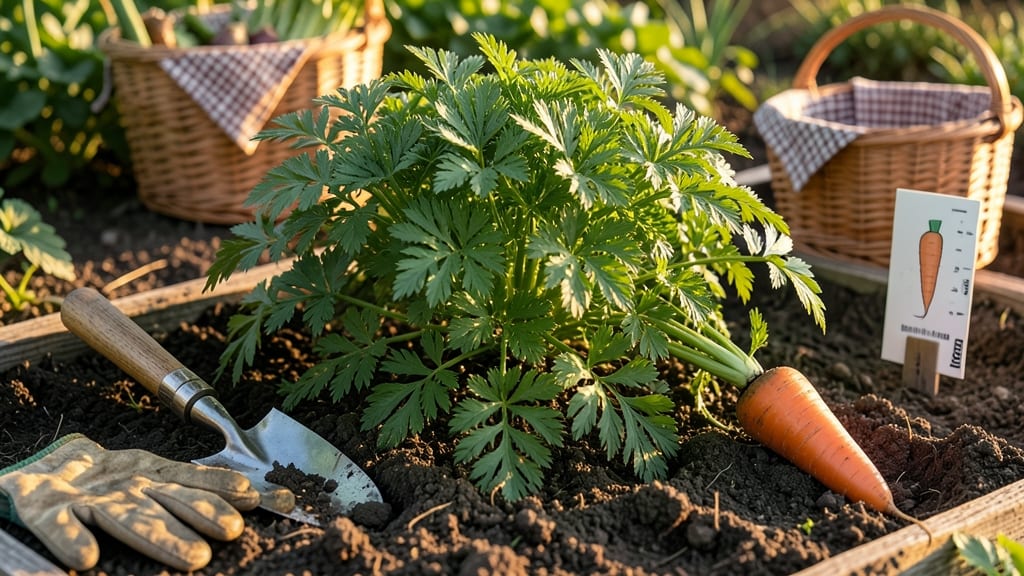
Knowing when to pick carrots means spotting the perfect balance of size, color, and soil cues—because a single day too late turns sweet roots into tough, bitter sticks.
If you’ve ever pulled a carrot from the ground only to find it woody, bitter, or undersized, you know timing is everything. Yet many gardeners miss the perfect moment to harvest.
The secret lies in subtle clues hidden in both the soil and the plant itself, and mastering them guarantees a harvest of sweet, tender carrots every time.
Start by checking the root diameter—most varieties reach 1-2 inches when ready, though baby carrots can be harvested much earlier. Look for firm skin and a smooth shoulder where the greens meet the root, a sign the carrot has filled out properly.
If the soil feels loose and the carrot slides out with minimal resistance, it’s time to pull.
Leaf color also tells the story: dark green, lush tops mean the carrot is still growing, while yellowing or purpling edges signal it’s past its prime. Below, I’ll break down these visual and tactile clues, plus seasonal tips to avoid overmaturity and ensure your harvest is always at its sweetest.

5 Key signs your carrots are ready to harvest (root size & soil checks)
Harvesting carrots at the right moment transforms your garden into a treasure trove of sweet, crisp roots. The difference between a perfect carrot and a tough, fibrous one often comes down to these 5 subtle but critical signs that reveal peak ripeness.
I’ve learned from experience that ignoring these cues can mean the difference between a harvest of gourmet-quality carrots and a pile of disappointingly woody rejects.
When I first started growing carrots, I made the rookie mistake of waiting too long—only to pull up roots that were split, tough, or had forked in strange directions.
Now, I rely on a mix of visual checks above ground and tactile tests below the soil to know exactly when to harvest. These methods work for all carrot varieties, from short Paris Market types to long Danvers roots.
🌱 5 Key Signs Your Carrots Are Ready
- 📏 Root Diameter: Measure 1-2 inches (or your desired size) between your thumb and forefinger. For baby carrots, aim for ½ inch or smaller.
- 🌿 Shoulder Exposure: The shoulder (top ½ inch) of the root should be visible above soil—this indicates full growth without overcrowding.
- 🌱 Leaf Health: Dark green, lush foliage (4-6 inches tall) signals maturity, while yellowing or wilting means it’s past prime.
- 💧 Soil Resistance: Gently tug a carrot—if it slips free with minimal force, it’s ready. Stubborn resistance means it needs more time.
- 🥕 Skin Texture: The skin should be smooth and crisp to the touch, not rough or fibrous.
Let’s start with the most obvious clue: root diameter. Carrots grow at a predictable rate, and their size directly correlates with flavor and texture. For most varieties, you’ll want roots to reach 1-2 inches in diameter—about the width of your thumb.
I always test a few carrots by gently brushing away soil with my fingers to check their size without disturbing the entire patch. Baby carrots (like Paris Market) should be harvested at ½ inch or smaller for their signature tender bite.
Next, pay attention to the shoulder of the root, which is the tapered section just below the greens. When this shoulder becomes visible above the soil line, it’s a clear signal that the carrot has filled out its growing space.
This is especially important in crowded beds, where carrots compete for nutrients. If you notice shoulders peeking out 2-3 weeks before you expect harvest time, it’s time to thin or harvest immediately to prevent forking or stunted growth.
The color and health of the foliage are often overlooked but incredibly telling. Mature carrot leaves should be a deep, vibrant green, standing 4-6 inches tall and looking robust.
If the leaves start turning yellow or purple, it’s a red flag—this usually means the carrot has bolted (gone to seed) or is past its prime.
I’ve found that purple-tinged leaves in cooler weather (like early spring or fall) are normal, but widespread yellowing means it’s time to harvest before the flavor declines.
Here’s where things get tactile: soil resistance is your secret weapon for knowing when to pull. After a light rain or thorough watering, gently grasp a carrot’s greens and give it a firm but gentle tug. If it slips free with little effort, it’s ready.
If the soil clings stubbornly or the carrot snaps off at the shoulder, it needs 1-2 more weeks to mature. Pro tip: Work the soil loose around the roots a few days before harvesting to make pulling easier without damaging the carrots.
Finally, skin texture is your final quality check. Run your fingers over the exposed part of the carrot—it should feel smooth and slightly crisp, almost like a fresh apple. If the skin feels rough, leathery, or fibrous, the carrot has overmatured and will likely be tough and bitter.
I once harvested a batch of Chantenay carrots that felt perfect but turned out woody because I ignored this test. Now, I always check texture before committing to a full harvest.
Timing your harvest isn’t just about avoiding tough roots—it’s also about seasonal conditions. In hot summers, carrots mature faster (sometimes in as little as 50 days), while cool fall weather slows growth, extending the harvest window to 80 days or more.
I’ve learned to adjust my expectations based on the USDA Zone I’m in—Zone 6a gardeners like me can often harvest twice a year, once in early summer and again in fall.
One common mistake I see (even among experienced gardeners) is overlooking the soil’s role. Compacted or rocky soil forces carrots to grow unevenly, making them harder to harvest and less flavorful. Before planting, I always amend the soil with compost and avoid working it when wet to prevent clumping.
If your soil feels dense, try loosening it with a fork or planting in raised beds for straighter, sweeter carrots.
Mastering these 5 key signs will turn your carrot harvest from a gamble into a guaranteed success. Next time you’re in the garden, grab a handful of greens and give it a tug—your taste buds will thank you for the perfect, sweet carrot every time. 🥕
Carrot leaf color guide: what green and yellow tints reveal about harvest time
Your carrot plants’ leaf color is a direct message about their maturity and flavor potential. Dark, vibrant green tops signal active growth, while subtle shifts to yellow, orange, or even purple edges reveal crucial timing for harvest.
Ignoring these cues often leads to woody roots or bitter flavors—so pay attention to the foliage as much as the soil.
The perfect harvest window depends on your carrot variety. Danvers types mature faster (around 70 days), while Nantes varieties take longer (up to 80 days).
Below, I’ll show you how leaf color correlates with root readiness, plus the ideal harvest windows for common varieties to avoid missing the sweet spot.
| Leaf Color Stage | Root Maturity | Ideal Harvest Window (Days) | Variety Examples |
|---|---|---|---|
| Deep green, lush | Early growth (not ready) | 30–50 days | All varieties (thin for space) |
| Dark green with slight yellowing at edges | Near peak sweetness | 55–70 days | Danvers, Paris Market |
| Yellowing or purpling leaves | Overmature (woody risk) | 75–85+ days | Nantes, Chantenay |
| Brown or crispy leaves | Bolting (too late) | N/A (harvest immediately) | All varieties |
Yellowing leaves aren’t always a bad sign—mild yellowing at the base of the foliage often means the carrot has reached its sweetest stage. However, if the yellow spreads upward or the leaves turn crispy, your carrots have bolted (a sign of heat stress or overmaturity).
In this case, harvest immediately to salvage what you can.
For Danvers varieties, aim to harvest when the leaves show early yellowing at the edges—this usually aligns with roots reaching 1–1.5 inches in diameter. Nantes carrots, on the other hand, can wait slightly longer, but watch for the first signs of yellowing to avoid fibrous texture.
Chantenay types often develop a purple hue in the leaves as they mature, signaling they’re ready for harvest.
Pro tip: If your carrots are planted in cool weather (below 60°F), the leaves may stay green longer, but the roots will still be ready when they reach your desired size. Conversely, hot temperatures accelerate leaf yellowing—so harvest sooner if you see color changes in summer plantings.
Next time you’re checking your carrots, don’t just dig blindly—observe the leaves first. A quick glance at their color can save you from pulling a tough, bitter carrot and ensure your harvest is always at its peak flavor. Happy digging! 🥕