
Plants
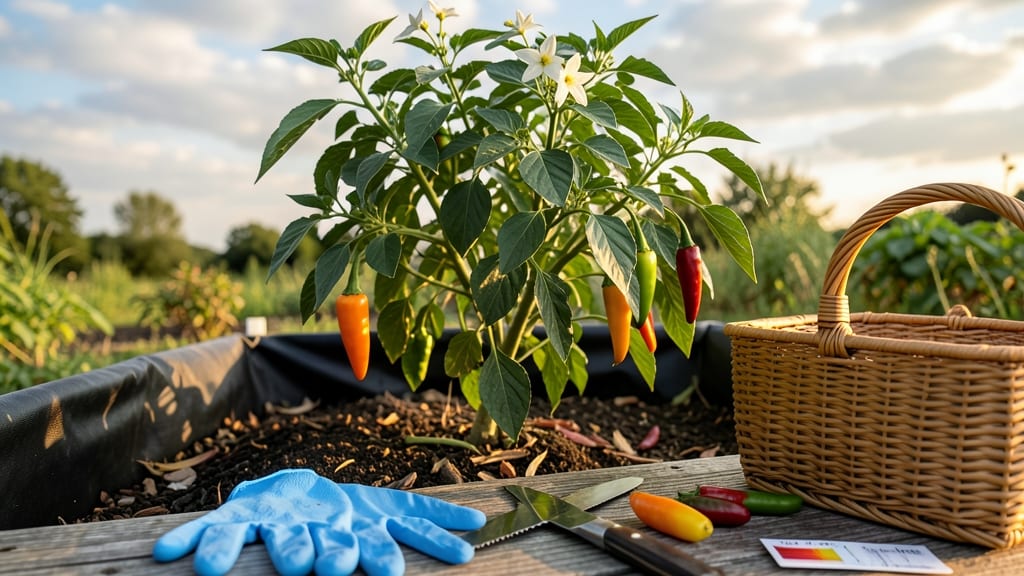
Knowing when to pick cayenne peppers from the plant means the difference between a fiery harvest and a bland disappointment—wait too long, and you lose both heat and flavor.
Most gardeners assume color alone signals ripeness, but cayenne peppers 🌶️ actually develop heat intensity in stages, and snapping them too early or too late can ruin everything. The secret lies in combining size, firmness, and color cues—plus knowing when your local climate demands an earlier harvest.
In this guide, you’ll learn the exact heat-intensity stages of cayenne peppers, from green to red, and how to test ripeness beyond just looking at the skin. We’ll also cover how to avoid common mistakes that drain flavor and when to stop harvesting before frost hits.
Ready to turn your cayenne plants into a spice-packed success? Let’s dive into the color-coded, heat-level breakdown that guarantees your peppers pack maximum punch.

Cayenne pepper heat-intensity stages: when to harvest for maximum spice
Harvesting cayenne peppers at the right moment can make the difference between a mild disappointment and a heat-packed harvest. The capsaicin content—the compound that delivers the burn—peaks at different stages, depending on color, size, and texture.
Understanding these stages helps you time your harvest for maximum flavor and spice.
Most gardeners focus on color changes—shifting from green to red—but the real magic happens in the heat development tied to ripeness. A green cayenne can be picked early for milder heat, while a fully red pepper delivers the most intense spice.
Let’s break down the stages so you can harvest with confidence.
🌱 Pro Tip: Always use clean, sharp scissors or pruners to avoid damaging the plant. A clean cut prevents disease and encourages more peppers to grow.
| Stage | Color | Size (in) | Texture | Heat Level | Best For |
|---|---|---|---|---|---|
| Early Green | 🟢 Bright Green | 1-2 | Firm, glossy | Low (10,000-20,000 SHU) | Pickling, mild dishes |
| Mature Green | 🟢 Dark Green | 2-3 | Firm, slightly waxy | Medium (25,000-40,000 SHU) | Fresh salsas, cooking |
| Turning (Orange/Yellow) | 🟠/🟡 Mixed Colors | 2.5-4 | Firm, slightly softer | High (50,000-70,000 SHU) | Drying, hot sauces |
| Fully Ripe (Red) | 🔴 Deep Red | 3-5 | Firm, slightly leathery | Maximum (80,000-100,000+ SHU) | Drying, powdered spice |
The early green stage is ideal if you’re craving a milder heat for dishes like pickling or fresh salsas. At this point, the capsaicin is developing but hasn’t peaked, delivering a 10,000-20,000 SHU burn. These peppers are typically 1-2 inches long and have a bright green hue.
As cayennes mature into the mature green stage, their heat intensifies to 25,000-40,000 SHU. This is a great time to harvest if you’re planning to use them in cooked dishes where you want a noticeable kick without overwhelming flavor.
Look for peppers that are 2-3 inches long and have a dark green color.
When cayennes start turning orange or yellow, they’re entering the turning stage, where heat levels skyrocket to 50,000-70,000 SHU. This is the sweet spot for drying peppers or making hot sauces, as the sugars and capsaicin are perfectly balanced.
The peppers will be 2.5-4 inches long and slightly softer to the touch.
Finally, the fully ripe red stage delivers the maximum heat at 80,000-100,000+ SHU. These peppers are best for drying into flakes or grinding into spice powders. They’ll be 3-5 inches long, deep red, and slightly leathery.
Harvest them before they become wrinkled or soft, as this signals overripeness and a loss of potency.
🔥 Expert Tip: If you’re growing cayennes in a hot climate, they may ripen faster. Monitor them closely—peppers can go from turning to fully ripe in just a few days! In cooler regions, ripening may take 6-8 weeks after flowering.
One common mistake is assuming all cayennes ripen to red. Some varieties stay orange or yellow at maturity, like the ‘Orange Habanero’ or ‘Yellow Wax’ types. Always check your seed packet or plant tags to confirm the expected final color and heat level.
For the best flavor and heat, aim to harvest cayennes in the morning after the dew has dried. This ensures the peppers are at their firmest and most flavorful. Store them in a cool, dry place until you’re ready to use or process them.
Color-coded cayenne pepper harvest guide: green vs. red vs. orange
Cayenne peppers 🌶️ don’t just change color—they transform in heat and flavor. A green cayenne is milder and less spicy, while a red one packs maximum capsaicin. The color isn’t just for show; it’s your cue to harvest at the perfect moment.
But here’s the catch: regional climates and variety differences mean timing can shift by weeks.
In warmer climates like USDA Zone 9, cayennes may ripen by early September, while in cooler Zone 6, you might need to harvest red peppers by late August to avoid frost damage. Always check for firmness and stem snap—color alone isn’t enough to guarantee ripeness.
| Stage | Color | Heat Level | Size | Harvest Time |
|---|---|---|---|---|
| Immature | Green | Low (10,000-20,000 SHU) | 1-2 inches | 60-75 days after transplant |
| Mature | Orange/Red | High (30,000-50,000 SHU) | 2-4 inches | 75-120 days after transplant |
| Overripe | Dull Red | Low (heat fades) | Soft/wrinkled | Avoid—flavor and heat degrade |
For orange cayennes, the heat peaks just before turning red—some gardeners prefer this stage for a balanced spice. To test ripeness, gently press the pepper: if it feels firm and slightly glossy, it’s ready.
A wrinkled or leathery skin means it’s past its prime, and the heat will fade.
Regional variations matter: in short-season climates, harvest green peppers if frost threatens—you can still dry them for heat. In long growing seasons, wait for full red color. Always prioritize firmness over color—a soft pepper, even if red, has lost potency.
Pro tip: Harvest in the morning when temperatures are cool. Use clean pruning shears to avoid damaging the plant, and leave a small stem attached to preserve shelf life. Store harvested peppers in a cool, dark place until you’re ready to use them.
Now that you’ve mastered the color code, your cayenne harvest will be nothing short of fiery perfection—just don’t blame me if your salsa brings tears to your eyes! 🌶️