
Vegetables
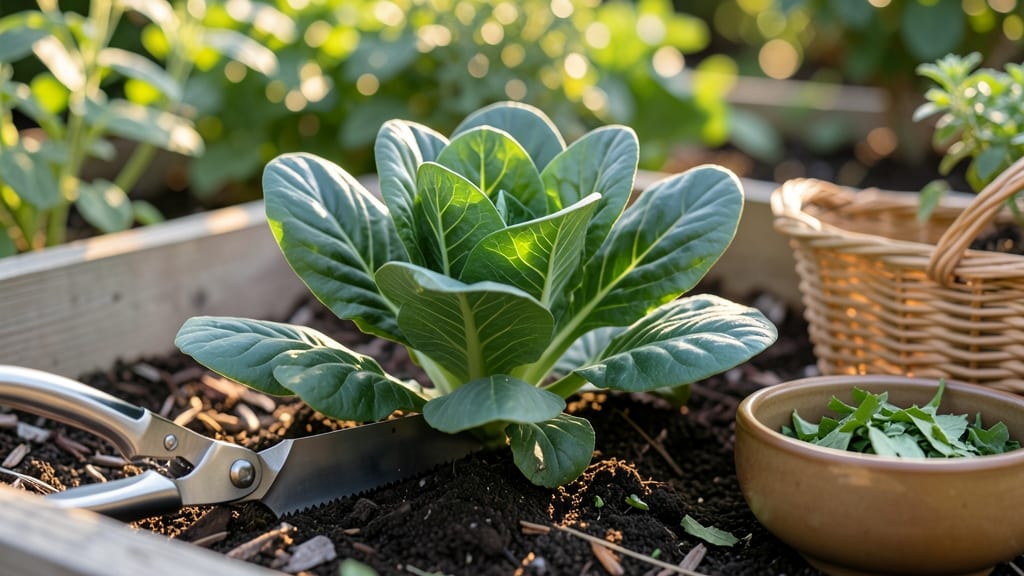
To pick collard greens at their sweetest, aim for 60–75 days after transplanting or when frost brushes the leaves—this is when their flavor peaks.
🥬 Picture this: a crisp October morning, your collards standing tall, their edges tinged with purple from the night’s chill. That’s the moment they’re begging to be harvested—before they bolt or wilt, but after they’ve had a taste of frost.
You’ll know they’re ready when the outer leaves reach 6–12 inches, snap cleanly when bent, and deepen to a rich, glossy green. Skip the harvest too early, and you’ll get tough, bitter leaves; wait too long, and you’ll miss the frost-sweetened magic.
Below, I’ll walk you through the exact signs to look for, how to harvest without damaging the plant, and the best ways to store or cook them for maximum flavor—because timing is everything when it comes to collard greens.

Optimal harvest times for collard greens by season and climate
Timing your collard green harvest depends on two key factors: leaf maturity and frost exposure. In cooler climates like USDA Zone 6a, collards thrive in fall and spring, with their sweetest flavor developing after a light frost.
Meanwhile, in warmer regions, you’ll focus on leaf size and texture rather than frost, since temperatures rarely drop enough to sweeten them.
For peak flavor, aim to harvest collards when they’re between 60–75 days old, but always prioritize visual cues over days since planting. A well-timed harvest ensures tender, flavorful leaves—whether you’re picking for salads, sautéing, or braising.
Below, I’ll break down the best times to harvest based on your climate and season.
🥬 Pro Tip: Collards are cut-and-come-again crops. You can harvest outer leaves repeatedly, allowing the plant to keep producing for months. This makes timing even more flexible—just balance maturity with your cooking schedule!
| Season & Climate | Ideal Harvest Window | Key Indicators | Flavor & Texture Notes |
|---|---|---|---|
| Cool Climates (Zones 3-6) | Late September–November (fall) or April–May (spring) | Leaves 6–12" long, deep green/purple, crisp stems | Sweetest after light frost; tender when young |
| Warm Climates (Zones 7-10) | October–December or March–April | Leaves 8–14" long, glossy dark green, firm stems | Milder flavor; harvest before heat stress (bolting) |
| Early Harvest (Young Leaves) | 45–60 days after transplanting | Leaves 4–6" long, soft stems, bright green | Tender, mild flavor; best for salads or quick cooking |
| Late Harvest (Mature Leaves) | 75+ days after transplanting | Leaves 12–18" long, tougher stems, deep purple-red edges | Bold flavor; ideal for braising or slow-cooking |
| Frost-Sweetened (Cool Nights) | After 1–2 nights below 32°F (0°C) | Leaves may show frost bite (crisp edges), stems snap easily | Most flavorful; harvest before leaves wilt or turn mushy |
In cool climates, like mine in Zone 6a, I always prioritize harvesting after the first frost of fall. The cold nights trigger natural sugars in the leaves, transforming their flavor from mild to rich and slightly sweet.
If you’re in a warmer zone, focus on harvesting before temperatures climb above 85°F (29°C), as heat causes collards to bolt—flowering prematurely and ruining their texture.
🌡️ Temperature Tip: If your region experiences hard frosts (below 28°F (-2°C)), harvest collards just before the freeze. Leaves can survive light frosts but will turn mushy if left in the ground during a deep freeze. Always check the 10-day forecast to plan ahead!
For spring harvests, timing shifts slightly. In my experience, collards planted in early spring (after the last frost) are ready for their first harvest by late April or early May, provided they’ve received consistent moisture.
The key is to avoid harvesting too early—young leaves lack the depth of flavor you’ll find in slightly older plants.
If you’re growing collards in containers or raised beds, harvest times may vary slightly due to microclimates. Containers can heat up faster, so monitor your plants closely. In my raised beds, I’ve found collards mature 5–7 days faster than in-ground plants, likely due to better drainage and warmth retention.
✂️ Harvest Hack: Use clean, sharp pruning shears or a knife to cut leaves 1–2 inches above the base. This encourages new growth and keeps the plant productive. Avoid pulling leaves, as this can damage the stem and stunt future harvests.
Finally, don’t overlook the trade-offs between early and late harvests. Young leaves are tender and mild, perfect for quick meals, while mature leaves offer bold, earthy flavors ideal for slow-cooked dishes. Balance your harvests to enjoy both textures throughout the season!
How to tell when collard greens are ready to pick (visual & tactile cues)
Harvesting collard greens at the right moment means the difference between tender, sweet leaves and tough, bitter ones. The key is watching for three visual and tactile cues that signal peak readiness: leaf size, stem firmness, and color depth.
Start by checking the outer leaves—these are the first to mature. When they reach 6–12 inches long, they’re often ready for harvest. But size alone isn’t enough; you’ll also want to feel the stems and observe the color shifts that frost brings.
🌿 Pro Tip: Young leaves (under 6 inches) are best for salads, while larger, more mature leaves hold up better for cooking. Balance your harvest by picking a mix of sizes to keep the plant productive.
⚠️ Avoid These Harvest Mistakes
Over-mature leaves: Waiting too long turns collards woody and bitter. Look for yellowing or curled edges—this means you’ve missed the sweet spot.
Underripe harvests: Picking leaves that are still pale green or floppy results in a mushy texture and weak flavor. Always check for crispness and snap before cutting.
Damaging the plant: Never pull leaves—always snip stems with clean scissors to encourage regrowth. Avoid tearing, which invites pests and disease.
Next, perform the crunch test: Gently bend a leaf stem. If it snaps cleanly (not breaks jaggedly), the leaf is ready. A soft or rubbery stem means it’s underripe, while a dry, brittle stem signals over-maturity.
Color is your final clue. Mature collards deepen to a glossy, dark green or even purple-red edges after frost—this is nature’s way of signaling sweetness. Avoid leaves with brown spots or holes, as these are signs of pest damage or disease.
For a continuous harvest, pick outer leaves first, leaving the inner growth intact. This method ensures your collards keep producing for weeks, especially in cooler months when frost enhances their flavor.
🥬 Remember: The best collards are those harvested just before a hard frost—this sweetens the leaves naturally and intensifies their flavor. Mark your calendar for the first frost date in your zone and plan your harvest accordingly!