
Vegetables
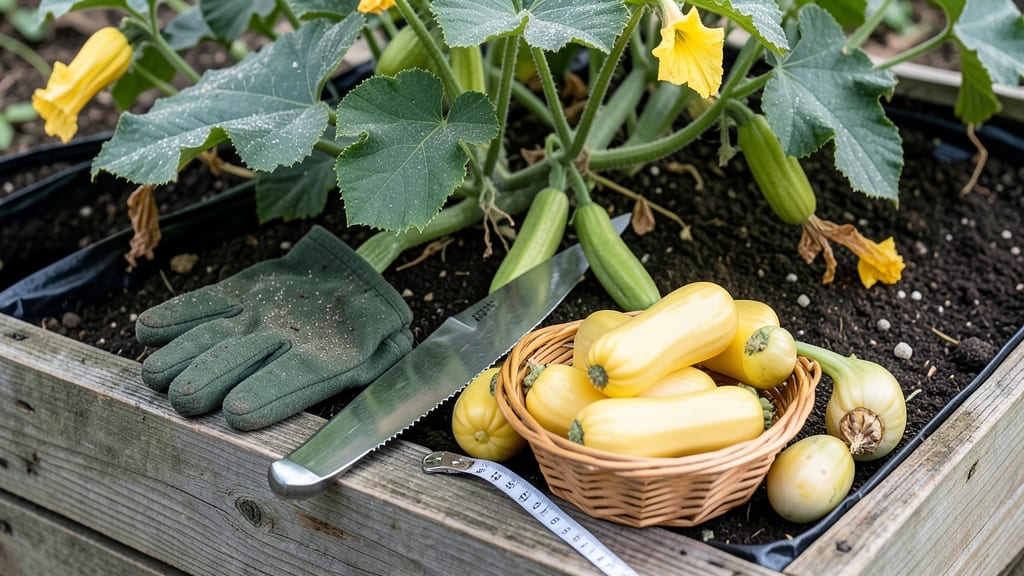
Picking yellow summer squash at the right time means the difference between tender, sweet bites and tough, seedy disappointments 🍠.
Most gardeners wait too long, ending up with oversized squash that’s more water than flavor. But timing your harvest isn’t just about size—it’s about firmness, seed development, and even the time of day you pick. Get it wrong, and you’ll miss the window for that perfect buttery texture.
Here’s how to spot the ideal moment: a squash that’s 6-8 inches long, with skin that yields slightly to gentle pressure (like a ripe avocado) and seeds that are still tiny and pale.
Ignore these cues, and you’ll either pull it too early (bitter, underdeveloped) or too late (woody, seedy).
Below, I’ll walk you through the exact firmness tests, size ranges, and seasonal tricks to keep your harvest flowing all summer long—plus what to do if you miss the mark.


How to check yellow summer squash ripeness by firmness, size & seeds
Yellow summer squash is at its peak when it’s 6-8 inches long with a deep golden hue—this is the sweet spot for flavor and texture. The key is checking three things: size, firmness, and seed development.
Most gardeners miss the window because they focus only on color, but firmness and seed size are the real giveaways for perfect ripeness.
Start by measuring your squash—3-6 inches is ideal for most varieties like 'Golden Zucchini' or 'Straightneck'. Anything smaller is underripe (bitter, tough), while anything larger than 6 inches risks becoming seedy and watery.
Pro tip: Use a tape measure or hold it next to a ruler for accuracy. The moment it hits that 6-inch mark, it’s time to harvest.
Firmness is where many gardeners go wrong. A ripe squash should yield slightly to gentle pressure—like pressing your thumb into a ripe avocado. If it feels hard, it’s not ready; if it’s soft or dented, it’s overripe. Gently press the skin near the stem end: it should spring back but not feel rock-hard.
Now, check the seeds. Slice open the blossom end (the stem side) to peek inside. At peak ripeness, the seeds are tiny, pale, and barely visible—think pinhead-sized. If you see larger, darker seeds, the squash has passed its prime. This is your final cue before harvesting.
Here’s how these factors compare at different stages of ripeness:
Skin color is another clue, but it’s the last indicator to trust. A deep, even yellow signals ripeness, but pale or patchy colors mean it’s not ready. Pay attention to the stem end—it should be a vibrant yellow, not green or brown.
If the skin feels waxy or dull, the squash is past its peak.
Harvesting in the morning is best because squash loses moisture as the day heats up, making them slightly firmer. Use a sharp knife or pruners to cut the squash from the vine, leaving a 1-inch stem attached.
This prevents rot and makes storage easier. Avoid twisting or pulling, which can damage the plant.
Once you’ve mastered these cues, you’ll never again end up with a foot-long monster squash or a bitter, underdeveloped one. Regular harvesting—every 2-3 days—encourages the plant to produce more squash, extending your harvest season. Pro tip: Check your plants daily during peak production to catch squash at their sweetest.
If you’re unsure, err on the side of harvesting smaller. Underripe squash can still be used (grilled or sautéed), but overripe ones are nearly inedible. With practice, you’ll develop an eye for the perfect moment—when your squash is tender, sweet, and seedless.
Best harvesting times for yellow summer squash by variety & season
Not all yellow summer squash varieties ripen on the same schedule—and heat waves can throw off your timing completely. For example, 'Golden Zucchini' typically reaches harvest in 50-55 days, while 'Straightneck' varieties take 60-65 days.
Even within the same plant, early blooms produce fruit faster than later ones, so check your squash every 2-3 days once flowers appear.
Morning harvests are ideal because the skin is firmer after overnight cooling, making it easier to judge ripeness. If you must pick in the evening, do so before sunset to avoid overripe squash.
Heat waves can accelerate ripening, so monitor your plants closely during 90°F+ days—they may need harvesting 2-3 days earlier than usual.
Early summer (June) is peak harvest time for most varieties, but late summer (August) can still yield squash if you planted successive crops every 2 weeks. 'Early Prolific' varieties are bred for early harvests, while 'Yellow Crookneck' types mature slightly later but produce more consistently in hot climates.
To extend your harvest season, plant successive crops every 2 weeks from late spring through early summer. This ensures a steady supply even as early varieties finish. If a heat wave hits, shade cloth can slow ripening by 2-3 days, giving you more time to harvest at peak ripeness.
Pro tip: Use a sharp pruning shear to cut squash (don’t twist) to avoid damaging the vine. This keeps plants productive and reduces stress.
With the right timing, you can enjoy harvests for 6-8 weeks per planting—just don’t let any squash grow past 10 inches or it’ll turn woody and seedy.
🌱