
Picking
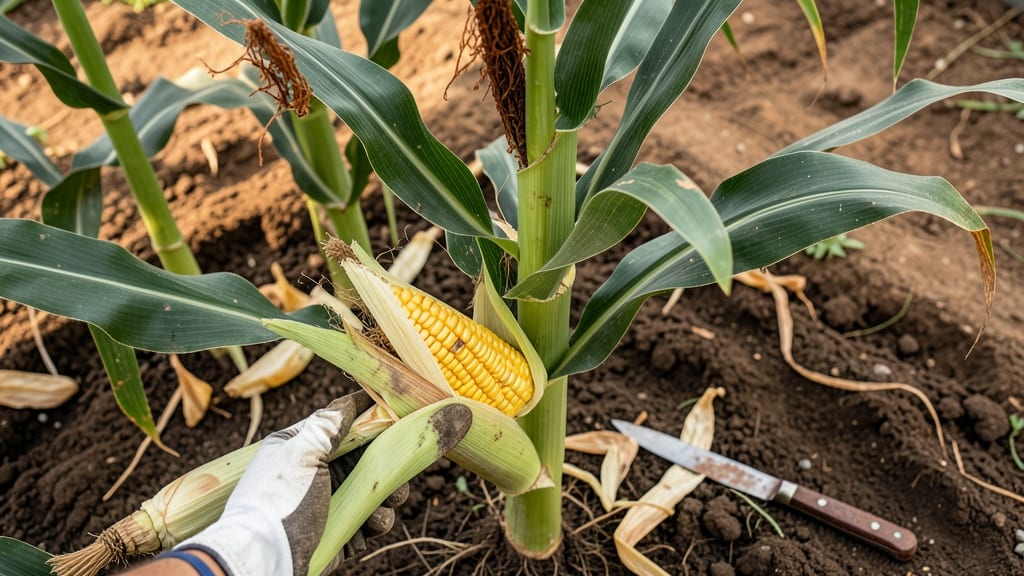
To pick corn on the cob at the perfect moment, watch for brown, brittle silks and kernels that ooze milky liquid when pierced—this is when sweetness peaks and texture is ideal.
Nothing beats the sweet, juicy crunch of freshly picked corn on the cob—but timing is everything. Harvest too early, and you’ll get tough kernels; wait too long, and the sugar turns to starch. Here’s how to master the perfect moment for picking corn based on silk color and kernel development.
Start by checking the silks: they should turn from green to brown and dry out completely. Then, pierce a kernel with your fingernail—if it releases a milky liquid, that’s your cue.
This milk stage is the sweetest window, usually between 75 and 90 days after planting, depending on your variety and climate.
Below, I’ll walk you through the exact visual cues, tactile tests, and seasonal timing to ensure your corn is at its peak flavor. You’ll also learn how to handle the ears post-harvest to keep that fresh-picked taste as long as possible.

How to determine corn ripeness by silk color and kernel development
Picking corn at the perfect moment transforms a simple garden harvest into a flavor explosion. The key lies in two simple but critical clues: the silk color and the kernel milk stage.
These visual and tactile cues tell you exactly when to pluck ears at their sweetest, avoiding the common pitfalls of tough or starchy kernels. Let’s break down what to look for in your backyard corn patch.
First, focus on the silks—those thread-like strands emerging from the top of each ear. When they first appear, they’re bright green and moist, signaling early development. But as the corn matures, these silks gradually dry out and turn brown and brittle.
This color shift is your first major indicator that the kernels inside are nearing peak ripeness.
Next, examine the kernels themselves using a simple nail test. Pierce a kernel with your fingernail—if a creamy white liquid (called the "milk stage") oozes out, that’s your green light to harvest.
This milky consistency means the corn’s natural sugars are at their peak. If the liquid is more watery or clear, the corn needs more time on the stalk.
Don’t overlook the ear’s firmness either. Gently squeeze the ear—it should feel plump and firm, not soft or mushy. A firm ear guarantees tender kernels, while a mushy one means the corn has overstayed its welcome and started converting sugar to starch.
This tactile check is especially useful when silks are brown but kernels seem underdeveloped.
| Ripeness Indicator | What to Look For | Action |
|---|---|---|
| Silk Color | Brown and dry | Proceed to kernel test |
| Silk Color | Still green or moist | Wait 2-3 more days |
| Kernel Milk Stage | Creamy white liquid | Harvest immediately |
| Kernel Milk Stage | Watery or clear liquid | Wait 1-2 more days |
| Ear Firmness | Plump and firm | Ready to pick |
| Ear Firmness | Soft or mushy | Overripe—discard or cook |
| Husk Condition | Pulls back easily | Sign of maturity |
| Husk Condition | Tight or resistant | Corn may need more time |
For a foolproof method, combine these checks: brown silks + creamy kernels + firm ears = perfect corn. If silks are brown but kernels test watery, give the corn another day or two—patience ensures that sweet, juicy payoff.
Pro tip: Harvest in the morning when temperatures are cooler, as this preserves the corn’s natural sugars longer.
One common mistake is waiting until silks are completely dried out and brittle. While this might seem like a sure sign of ripeness, the kernels often turn starchy and tough by then.
The ideal window is when silks are mostly brown but still slightly pliable. This balance guarantees the best flavor profile while keeping kernels tender.
If you’re growing multiple varieties, note that heirloom corn often ripens slightly slower than hybrids. Keep a close eye on their silk color and kernel development, as these varieties can sometimes surprise you with delayed maturity. For container-grown corn, check ripeness more frequently since limited root space can affect development.
Finally, don’t forget to twist the ear gently when harvesting—this prevents damaging the stalk and encourages more ears to form. Once picked, store corn in the fridge for up to a week or blanch and freeze for long-term storage. With these tips, you’ll never miss the sweet spot again!
Mastering corn ripeness is all about observation and timing. The next time you’re standing in your garden with a basket in hand, remember: brown silks, creamy kernels, and a firm squeeze are your golden trio for that perfect ear of corn. Happy harvesting!
Best practices for picking corn at peak sweetness and flavor
Harvesting corn at the right moment transforms your backyard into a sweet corn treasure trove. The best time to pick corn on the cob is in the morning, when temperatures are cooler and sugars are at their peak.
This timing ensures maximum flavor and prevents the kernels from converting sweetness into starch as the day heats up.
Start by selecting ears with brown, dry silks that easily pull away from the ear. The husks should also feel snug but pull back smoothly—this indicates the ear is mature.
If you notice yellow or green silks, the corn needs more time on the stalk. Remember, once picked, corn’s sugars begin converting to starch immediately.
⚠️ callout warning ⚠️
Waiting too long to pick corn turns sweet kernels into starchy, tough ones. Look for these overripeness signs:
- Dried, brittle silks that crumble easily
- Hard, chalky kernels that don’t release milky liquid
- Husk that won’t pull back or is tightly wrapped
Action Tip: Harvest corn every 1-2 days once silks turn brown to avoid missing the sweet window.
To test kernel readiness, pierce a kernel with your fingernail. If a milky liquid oozes out, that ear is perfect for picking. If the kernel feels hard and dry, the corn has passed its prime.
For extra assurance, gently squeeze the ear—it should feel firm and full, not soft or hollow.
When harvesting, grasp the ear firmly near the base and twist gently while pulling upward. Avoid breaking the ear shank (the stalk connecting the ear to the plant), as this can damage the plant and reduce future yields. If the ear resists, wait another day or two—it’s not ready yet.
Once picked, corn’s sweetness declines rapidly. Store ears in the refrigerator for up to 3-4 days, wrapped in a damp towel inside a plastic bag to retain moisture.
For longer storage, blanch and freeze the corn—this preserves flavor for up to 6 months. Place ears in the freezer once fully cooled after blanching.
Pro tip: If you’re unsure about timing, pick a few ears early in the morning and taste-test them. This hands-on approach helps you fine-tune your skills for future harvests. With practice, you’ll consistently pick corn at its sweetest, most flavorful stage—every time!