
How To
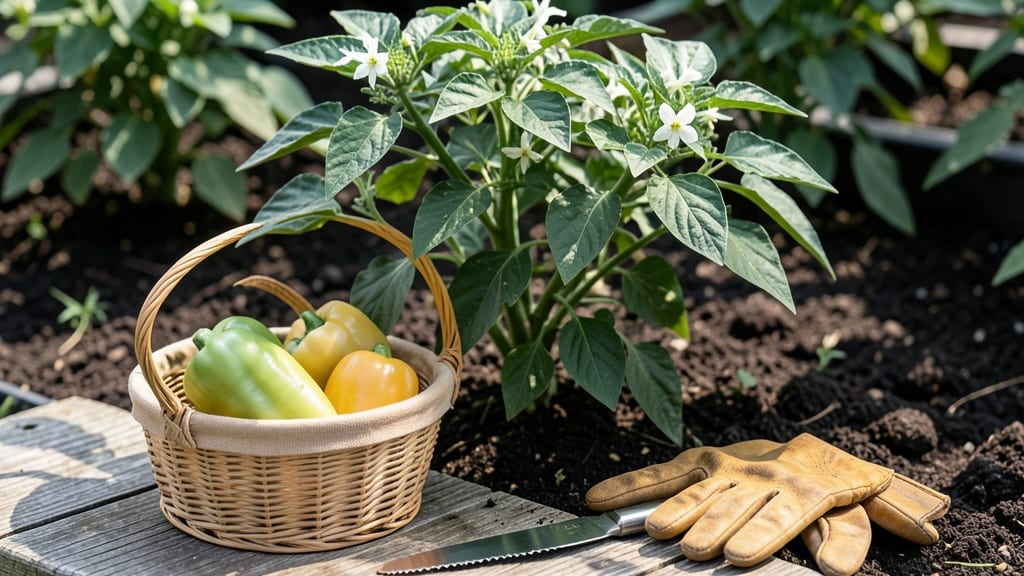
To pick Cubanelle peppers at their peak, look for vibrant color and a firm, glossy skin 🌶️ — usually between 75 and 90 days after planting.
Cubanelle peppers—those mild, sweet, and slightly tangy gems—reach their peak flavor when harvested at the perfect moment. Pick too early, and you’ll sacrifice sweetness; wait too long, and they’ll turn bitter or lose their crisp texture. Here’s how to master the art of timing for the best harvest.
In Zone 6a, where summer heat lingers, these peppers often ripen faster than in cooler climates. The key is catching them when they’re 3 to 4 inches long, with a deep, consistent hue—green, yellow, or even red—and a slight give at the stem when gently twisted.
Once you’ve nailed the timing, you’ll learn how to store them for maximum freshness or use them in dishes where their tender crunch and bright flavor shine. Let’s dive into the details!

How to identify Cubanelle peppers’ perfect ripeness by heat flare & size
Cubanelle peppers thrive in warm climates like Zone 6a, where they develop their signature sweetness and crisp texture when harvested at the right time. The key lies in watching for a heat flare—a subtle shift in color intensity—and reaching the ideal 3 to 4-inch length.
This balance ensures maximum flavor without bitterness.
In cooler regions, these peppers may take 75 to 90 days to mature, while in hotter climates like Zone 8 or 9, they can ripen in as few as 60 days. Always prioritize vibrant color and firmness over strict timelines, as environmental factors play a huge role.
| Ripeness Stage | Size Threshold | Color Cues | Heat Flare Sign | Firmness Test |
|---|---|---|---|---|
| Early (Not Ready) | Under 2 inches | Pale green/yellow | None | Soft, yields easily |
| Ideal (Perfect) | 3-4 inches | Deep green/yellow/red | Glossy, warm hue | Firm, resists pressure |
| Overripe (Avoid) | Over 4.5 inches | Dull, streaked | Waxy, uneven | Mushy, separates easily |
Start by examining the color intensity—ripe Cubanelles develop a deep, even hue, whether green, yellow, or red. Look for a heat flare, where the pepper’s surface appears slightly warmer and shinier under sunlight. This indicates peak sugar content and tenderness.
Next, check the size and weight. At 3 to 4 inches long, Cubanelles are typically ready. Hold one in your hand—it should feel heavy for its size, signaling maturity. If it’s lightweight, it’s likely underripe.
Gently squeeze the pepper near the stem. A ripe one will yield slightly but stay firm. If it’s too soft, it’s past its prime; if it’s rock-hard, it needs more time. This tactile check is crucial for textural quality and flavor.
In hotter climates, Cubanelles may ripen faster, so monitor them closely. Harvest in the morning when temperatures are cooler to preserve crispness. Use clean pruning shears or pinch the stem gently to avoid damaging the plant.
Regional variations matter—cooler climates like Zone 5 may need extra weeks for full ripening, while Zone 10 peppers can mature in 60 days. Adjust your expectations based on your local growing conditions.
Once harvested, store peppers in a cool, dry place for up to 1 week. For longer storage, refrigerate them in a paper bag to retain moisture and freshness. This ensures you can enjoy their sweet, crisp flavor for days after picking.
If you miss the perfect window, don’t worry—underripe peppers can still be used in cooked dishes, while overripe ones work well for sauces or fermenting. But for raw salads or grilling, timing is everything!
Mistakes to avoid when picking Cubanelle peppers (and how to fix them)
Harvesting Cubanelle peppers at the wrong time can turn your sweet, crisp rewards into bitter disappointments. The most common mistake is waiting too long—peppers over 4.5 inches develop a harsher flavor and waxy texture.
Even worse, leaving them on the vine past their prime can reduce future yields, as the plant focuses energy on seed production instead of new pods.
Another frequent error is picking immature peppers that are under 3 inches. These lack the full sweetness and crispness they’re famous for, tasting more like watery green beans. You’ll also miss the heat flare—that glossy, warm hue indicating peak sugar content—because it only appears at full maturity.
Using the wrong tools can damage your plants too. Roughly tugging at peppers or using dull shears can tear stems, leaving wounds that invite pests and diseases. Always use clean, sharp pruners or pinch stems gently with your fingers to avoid stressing the plant.
Don’t wait until peppers turn dull or streaked—this means they’ve passed their prime. The ideal harvest window is when they’re 3-4 inches long, with a glossy, deep color and firm skin that resists gentle pressure. Harvest in the morning when temperatures are cooler to preserve their crisp texture.
If you’ve accidentally harvested underripe peppers, don’t toss them! Use them in cooked dishes like stir-fries or sauces, where heat will mellow their flavor. For overripe peppers, remove seeds and membranes, then blend into salsas or ferment for pickles—their milder heat adds depth to preserved flavors.
To salvage a bitter harvest, try soaking peppers in ice water for 10 minutes before using. This can reduce some of the capsaicin buildup that causes bitterness. For future batches, focus on consistent watering and balanced fertilizer to prevent stress-related flavor issues.
Pro tip: Harvest regularly—picking peppers frequently encourages the plant to produce more pods. Check your Cubanelles every 2-3 days during peak season to catch them at their sweetest. With the right timing, you’ll enjoy peppers that are crisp, sweet, and bursting with flavor—not bitter or mealy.