
Picking
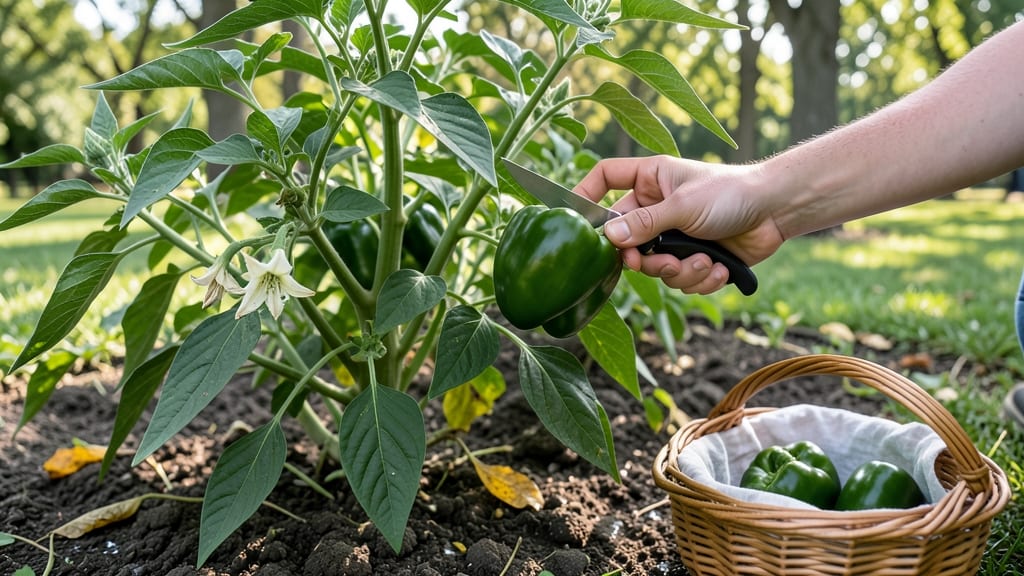
Picking green bell peppers at the right time ensures you get the best flavor, texture, and yield—but many gardeners miss the window by days, even weeks.
If you’ve ever bitten into a pepper that’s still tough and bitter or one that’s overripe and mushy, you know how frustrating that can be. The key lies in knowing exactly when those 🌶️ bell peppers are ready to harvest, which isn’t just about color or size.
In this guide, I’ll walk you through the three foolproof ways to check maturity—size, firmness, and the "snap test"—so you never pick too early or too late again. You’ll also learn how to time your harvests for maximum production and when to let them ripen for sweeter flavors.
By the end, you’ll have a clear, actionable checklist to transform your garden into a pepper-picking powerhouse, no guesswork required.


How to check green bell pepper maturity for optimal harvest timing
Mastering the art of harvesting green bell peppers starts with understanding their maturity signals. Unlike their colorful cousins, green bell peppers are picked before full ripeness for that signature crisp texture and mild flavor.
The key lies in three simple checks: size, color, and firmness. When done right, you’ll enjoy peppers that are perfectly crunchy and packed with flavor—no mealy or bitter surprises here!
Timing your harvest correctly also means more peppers on the plant. If you pick too early, your plant will keep producing, while harvesting too late can reduce future yields.
The sweet spot? Between 60-90 days after transplanting, depending on your variety. But don’t rely solely on days—visual cues are your best friend in the garden.
| Maturity Indicator | Ready for Harvest | Not Ready |
|---|---|---|
| Size | 3–4 inches long | Smaller than 2 inches |
| Color | Deep, glossy green | Pale or uneven green |
| Firmness | Skin resists gentle squeeze | Soft or wrinkled skin |
| Stem Check | Brown stem end | Green stem end |
| Snap Test | Stem snaps cleanly | Stem bends but doesn’t snap |
Start with the size check. Green bell peppers are ready when they reach 3–4 inches in length. Smaller peppers are often bitter and underdeveloped, while larger ones may have tougher skins.
Use a ruler or compare to a standard bell pepper—consistency is key! If you’re growing bush varieties, they’ll typically mature faster than their taller counterparts.
Next, examine the color and gloss. Mature green bell peppers have a deep, vibrant green hue with a slight sheen. If the color looks dull or patchy, the pepper isn’t ready.
Pro tip: Hold the pepper up to a light source—ripe peppers will reflect light beautifully, while underripe ones appear flat and lackluster.
Now for the firmness test. Gently squeeze the pepper—it should feel firm and slightly resilient, like a crisp apple. If it yields to pressure or feels spongy, it’s not ready.
Overripe peppers often develop a mealy texture, which is a dead giveaway. Remember, firmness is your best indicator of crispness, so don’t skip this step!
Here’s a pro move: the calyx check. The calyx is the leafy cluster at the pepper’s base. When it turns brown and slightly dried, it’s a sign the pepper is nearing maturity.
If it’s still green and lush, give it more time. This trick works especially well for container-grown peppers, where visual cues can be harder to spot.
The snap test is my favorite foolproof method. Hold the pepper by its stem and gently bend it—if it snaps cleanly (rather than bending), it’s ready to pick. This test ensures the pepper has fully detached from the plant, reducing damage to the vine.
It’s also a great way to check maturity when peppers are hidden among foliage.
Watch out for these common mistakes: Harvesting peppers that are still attached to the plant by a green stem can damage the vine and stunt future production. On the flip side, leaving peppers too long on the plant can lead to overripe, seedy peppers that lose their signature crunch.
Balance is everything—aim for that sweet spot between crisp and mature.
Flavor is directly tied to maturity. Underripe peppers taste bitter and grassy, while slightly overripe ones develop a sweeter, almost fruity note—but lose their crunch. For the best results, harvest in the morning after dew has dried.
This ensures peppers are cool, crisp, and packed with flavor. Store them in the fridge for up to a week, or use them fresh in your favorite dishes!
Remember, every pepper variety has slight differences. Some, like ‘Sweet Banana’, mature faster, while others, like ‘Jalapeño’, take longer. Keep a garden journal to track your plants’ unique rhythms—it’s the best way to refine your timing over time. Happy harvesting!
Best practices for harvesting green bell peppers without damaging the plant
Harvesting green bell peppers correctly protects your plant’s health while ensuring you get the most flavorful, crisp produce. The wrong technique can stress the plant, reduce future yields, and even attract pests.
I’ve learned through years of gardening that how you pick matters just as much as when you pick. Using the right tools and methods keeps your pepper plants productive for weeks.
Start by inspecting your peppers for the three key signs of readiness: size (3-4 inches), firmness (no soft spots), and a brown stem end. Once you’ve confirmed these, it’s time to harvest carefully.
I always use clean, sharp pruning shears or my fingers to avoid tearing the plant. The goal is to leave the stem intact so new peppers can form in its place.
⚠️ WARNING: Harvesting at the Wrong Time Damages Your Plant ⚠️
- Too early: Peppers stay bitter and small, signaling the plant to stop producing.
- Too late: Overripe peppers lose crispness and attract pests like aphids.
- Wrong technique: Tearing stems instead of cutting cleanly invites disease.
Pro tip: Always harvest in the morning when peppers are firmest and pests are least active.
For regrowth harvests, focus on picking peppers that are fully mature but not overripe. This encourages the plant to produce more fruit. I like to harvest every 2-3 days during peak production to keep the plant stimulated.
If you’re aiming for final harvest (letting peppers ripen fully), wait until they reach their mature color and size, then pick all remaining peppers before the first frost.
After harvesting, store your peppers in a cool, dark place (like a crisper drawer) for up to 2 weeks. Never wash them until ready to use—moisture speeds up spoilage.
I also recommend pruning damaged leaves after harvest to improve airflow and prevent disease, which keeps your plant healthy for future harvests.
One tool I can’t live without is a pair of bypass pruners—they make quick, clean cuts without crushing stems. For large harvests, a small basket with holes for airflow helps prevent bruising. Always disinfect your tools with rubbing alcohol between uses to avoid spreading plant diseases like bacterial spot.
Remember, the key to a productive pepper plant is consistency. Regular harvesting, proper pruning, and post-harvest care create an environment where your plant keeps producing until frost. With these techniques, you’ll enjoy a bountiful harvest all season long—without sacrificing your plant’s health. 🌱