
How To
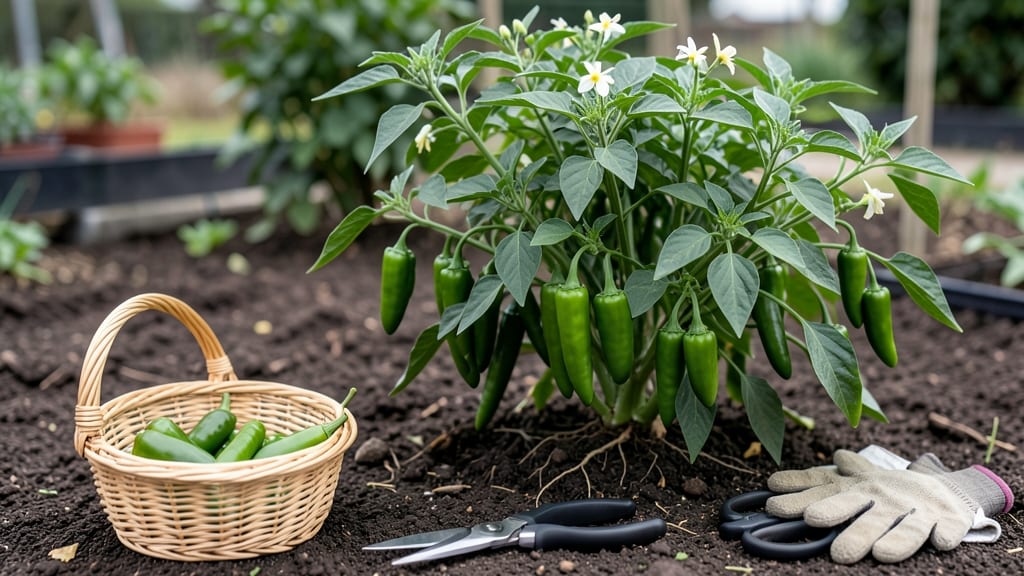
Picking pepperoncini peppers at the right time means the difference between bright, tangy pickles and bland, overripe disappointment.
Picture this: you’ve waited all summer for your 🌶️ pepperoncini plants to produce, and now you’re staring at a bush full of peppers wondering, "Are they ready?" Grab one, twist it gently—if it snaps cleanly at the stem, that’s your cue. But timing matters just as much as the snap.
Most pepperoncini peppers are ready to pick between July and September, when they’re about 2–3 inches long, firm but slightly yielding, and a vibrant green. Too early, and they’ll lack flavor; too late, and they’ll turn bitter.
Climate plays a role too—warmer zones may need to harvest earlier, while cooler areas can stretch the season.
In this guide, I’ll walk you through the exact signs to look for, how to test ripeness like a pro, and what to do with your harvest—whether you’re drying them, pickling them, or freezing them for later. No guesswork, just great-tasting peppers.

How pepperoncini size and color signal perfect harvest time
Harvesting pepperoncini peppers at the right time ensures they deliver that signature tangy heat perfect for pickling. The size and color of your peppers are your best indicators—when they’re 1.5 to 3 inches long and transitioning from deep green to yellow, they’re ready to pick.
But there’s more to it than just eyeballing the fruit; maturity directly impacts flavor, heat, and even pickling quality.
Green pepperoncini peppers are typically harvested when they’re firm and glossy, usually around 75 days after transplanting. If you let them ripen fully to yellow, they’ll develop a sweeter, milder flavor but may lose some of their classic pepperoncini bite.
Understanding these color stages helps you decide whether to pick for pickling or drying, as overripe peppers can turn bitter and chewy.
Here’s a quick reference to help you spot the perfect pepperoncini for harvest:
For the best pickling results, aim to harvest pepperoncini when they’re between 1.5 and 2.5 inches long. At this stage, they’re packed with flavor and firm enough to hold up during the pickling process.
If you’re growing a variety like 'Pepperoncini' or 'Italian Frying Pepper', these peppers are typically ready around mid-summer, depending on your climate.
Pay attention to the color gradient—peppers that are bright green with a slight gloss are ideal for pickling. As they mature, they’ll turn yellow, which signals a shift in flavor toward sweetness rather than heat.
This change is subtle but noticeable, especially if you’re used to the classic tangy bite of pepperoncini.
Heat levels also shift with maturity. Younger, green pepperoncini peppers pack a punch with moderate heat (5,000–10,000 SHU), while fully ripened yellow peppers drop to around 1,000–3,000 SHU.
If you’re pickling for heat, harvest early; if you prefer a milder taste, let them ripen slightly longer but avoid the overripe stage.
One trick I use is to check the stem attachment—when the pepper is ready, it will snap cleanly off the plant with a slight twist. This stem snap test is a foolproof way to confirm ripeness without damaging the plant.
Combine this with the size and color cues, and you’ll never pick too early or too late again.
Climate plays a role too. In hotter regions, pepperoncini may ripen faster, so keep an eye on them during peak summer months. In cooler climates, they might take longer to reach harvest size. Adjust your expectations based on your local growing conditions to avoid missing the window.
Once you’ve mastered the art of spotting the perfect pepperoncini, you’ll be rewarded with jars of vibrant, tangy pickles that capture summer’s best flavors. And if you’re curious about other signs of readiness—like the stem snap test or how to handle post-harvest storage—stay tuned for the next section!
The stem snap test and other pro tips for pepperoncini picking
Harvesting pepperoncini peppers at the perfect moment ensures the best flavor and texture for pickling or eating fresh. The stem snap test is my go-to method for determining ripeness—it’s quick, reliable, and requires no special tools. Simply grasp a pepper near its stem and give it a gentle twist.
If it snaps cleanly with just a slight resistance, that’s your green light to harvest. This test works because mature peppers naturally separate from the plant at the stem when they’re ready.
Beyond the snap test, pay attention to the pepper’s cap. When ready, the cap (the top part where the stem attaches) will begin to separate slightly from the body of the pepper. This is a visual cue that the pepper is nearing peak ripeness.
You’ll also notice the skin becoming slightly shinier and softer to the touch, though it should still hold its shape when gently squeezed. These signs combined give you a clear picture of when to pick.
⚠️ WARNING: Harvesting Too Late or Too Early Ruins Flavor ✅ Do pick when peppers are 2–3 inches long, snap easily at the stem, and have a slight give when pressed. ❌ Avoid picking if peppers are smaller than 1.5 inches (underripe) or wrinkled and dull (overripe).
Overripe peppers develop a bitter taste and are less ideal for pickling. 🌡️ Climate matters: In hot, dry climates, peppers may mature faster—check them every 2–3 days. In cooler areas, stretch your harvest window but don’t wait past early fall to avoid frost damage.
Seed development is another subtle clue. If you peek inside a pepper and see fully formed but still white seeds, it’s time to harvest. Darkening or shriveled seeds mean the pepper has passed its prime.
I always cut open one or two peppers from each plant to check—it’s a small sacrifice for better results. Pro tip: Use a small knife or your fingernail to gently slit the pepper lengthwise for a quick inspection.
Environmental factors like heat and humidity can speed up or slow down ripening. In high-humidity areas, peppers may stay green longer, while dry, hot conditions can cause them to ripen faster. Adjust your harvesting schedule accordingly—if your peppers are maturing quickly, pick them more frequently to encourage continuous production.
Conversely, in cooler climates, peppers may take longer to reach harvest size, so be patient but don’t wait too long.
Once you’ve confirmed your pepperoncini peppers are ready, harvest them early in the morning when temperatures are cooler. This preserves their crispness and flavor. Use clean, sharp pruning shears or scissors to avoid damaging the plant.
Leave about half an inch of stem attached to the pepper—this helps them store better and prevents spoilage. After harvesting, rinse them gently if they’re dirty, but avoid soaking them, as excess moisture can lead to mold.
Now that you’ve mastered the stem snap test and other pro tips, you’re ready to enjoy a bountiful harvest of pepperoncini peppers. Whether you’re pickling them, drying them, or enjoying them fresh, timing is everything. Happy harvesting—and may your garden be as productive as your pantry is delicious! 🌱