
How To
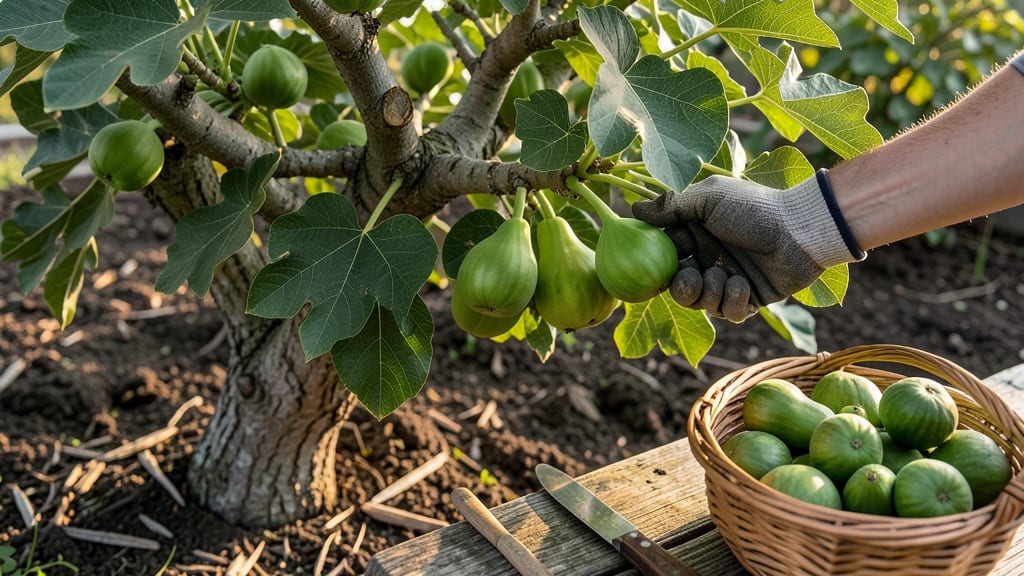
To pick green figs at the perfect moment for sweetness, watch for a 1-2 inch diameter and a slight give when pressed gently—this "flavor clock" method is your secret to avoiding bland harvests.
If you’ve ever bitten into a green fig expecting sweetness and been disappointed, you’re not alone—timing is everything. The color shift from bright green to yellowish-green and a softening stem base signal the ideal window, but missing it means sacrificing flavor for a harvest that falls flat.
Climate plays a critical role: in Zone 6a, where figs thrive, the harvest window stretches from July to October, but heat waves can accelerate ripening. Understanding these cues transforms guesswork into a predictable, flavor-packed harvest every time.
Below, I’ll break down the exact visual and tactile tests to use at home, adjust for your region, and share the one mistake that ruins even the ripest figs—so you can maximize both yield and taste.


Understanding the fig flavor clock: how color and size predict sweetness
Figs are fascinating fruits because their sweetness develops gradually, tied closely to their color and size at harvest. Unlike many fruits that ripen after picking, figs are best when harvested at a specific stage of ripeness—often still green but with the right balance of sugar and firmness.
This is where the fig flavor clock comes in, a simple visual guide to predict when your green figs are ready for the best taste.
The fig flavor clock relies on two key indicators: color transitions and fruit size. As figs mature, their skin shifts from bright green to a yellowish-green or purplish hue, depending on the variety.
Meanwhile, their size grows steadily, signaling internal sugar development. Understanding these cues ensures you pick figs at the perfect moment—not too early (tart and firm) and not too late (overripe and mushy).
Here’s the science behind it: figs produce natural sugars during ripening, but they also soften as they absorb moisture. The flavor clock helps you pinpoint when these sugars peak while the fruit remains firm enough to handle.
For example, Celeste figs turn yellow-green when ready, while Brown Turkey figs develop a reddish blush. Ignoring these clues often leads to bland or overly ripe figs.
Color isn’t the only factor—size plays a critical role too. A fig’s diameter is directly linked to its internal sugar content. Most varieties reach harvest readiness at 1 to 2 inches wide, but some dwarf varieties may be smaller. Pairing color and size gives you the most accurate prediction of sweetness, making the flavor clock your best tool for success.
| Stage | Color | Size | Firmness | Flavor Profile |
|---|---|---|---|---|
| Early Green | Bright green | <1 inch | Very firm | Tart, underripe |
| Ideal Green | Yellow-green or reddish | 1-2 inches | Firm but yielding | Sweet, balanced |
| Overripe | Dull purple/red | >2 inches | Soft, mushy | Overly sweet, seedy |
The ideal green fig for picking is typically at the yellow-green or reddish stage, where it measures 1 to 2 inches in diameter. At this point, the skin will yield slightly to gentle pressure but still feel firm.
This stage aligns with the peak sugar development in most varieties, ensuring a sweet yet crisp texture. For example, Desert King figs are ready when they turn a pale yellow-green, while Mission figs develop a reddish blush.
Climate plays a surprising role in fig ripening. In warmer regions (Zones 8-10), figs ripen faster and may reach the ideal green stage earlier in the season. Conversely, in cooler climates (Zones 6-7), the process slows down, and figs might stay green longer.
Adjust your flavor clock expectations based on your local growing conditions—observing nearby mature figs can help calibrate your timing.
One common mistake is assuming all green figs are the same. Variety-specific cues matter! For instance, Chicago Hardy figs stay green longer and develop a waxy texture when ripe, while Violette de Bordeaux figs turn a deep purple.
Always check your fig’s specific variety traits to avoid misjudging ripeness. A quick internet search or consultation with your local nursery can provide variety-specific guidance.
To test ripeness at home, combine the color and size clues with a simple firmness test. Gently press the fig with your thumb—it should feel slightly soft but not mushy. If it’s too firm, wait a few days; if it’s already soft, it’s past its prime.
This tactile check, paired with the flavor clock, ensures you never miss the sweet spot for harvesting.
Remember, the fig flavor clock isn’t just about taste—it’s also about preserving your harvest. Figs picked too early won’t ripen further off the tree, while overripe figs spoil quickly.
By mastering these visual and tactile cues, you’ll transform your fig harvest from blah to breathtaking, one perfectly timed pick at a time.
Step-by-step guide to testing green figs for ripeness at home
Testing green figs for ripeness at home doesn’t require fancy tools—just your hands and eyes. Start by checking the fig’s diameter, which should reach 1-2 inches. This size often correlates with peak sugar content, but don’t rely on it alone.
Combine this with a gentle firmness test to avoid underripe or overripe figs that compromise flavor.
Next, examine the stem base for subtle clues. A ripe green fig will show a slight softening where it meets the branch, while the skin may shift from bright green to yellowish-green.
This color change signals the fig’s internal sugars are developing, but timing varies by USDA Zone 6a climate—hotter summers speed up ripening, while cooler zones may extend the window.
- Step 1
- Step 2
- Step 3
- Step 4
- Step 5
For container-grown figs, monitor ripeness more frequently since they ripen slightly earlier than in-ground trees. If your figs are smaller than expected, consider adjusting watering—deep soaks every 2-3 days in summer can boost size and sweetness. Overwatering, however, leads to diluted flavor, so balance is key.
Once you’ve mastered these tests, you’ll never guess again. The flavor clock method ensures every fig you pick is sweet, tender, and ready for snacking, baking, or preserving.
Pro tip: Harvest in the early morning when sugars are at their peak, and store figs at room temperature for up to 3 days for the best taste.
🌱