
Picking
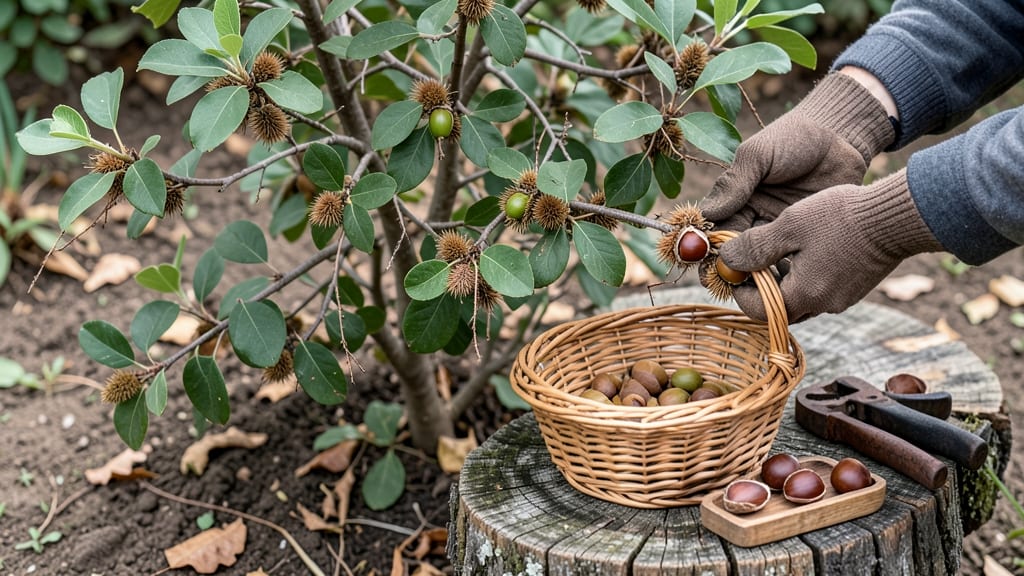
Picking hazelnuts at the right time ensures you get the sweetest, firmest nuts for baking and storage—miss the window, and you risk mealy texture or losing them to wildlife.
If you’ve ever cracked open a hazelnut only to find it still pale and soft inside, you know the frustration. The key isn’t just waiting for fall—it’s knowing exactly when the shells harden and the husks split naturally.
In USDA Zone 6, that’s usually late September, but a simple shell hardness test can tell you for sure.
Most gardeners wait for the leaves to brown and the nuts to rattle inside their husks, but there’s more to it. Regional frost dates, early vs. late varieties, and even squirrel activity can shift your harvest window.
Below, I’ll walk you through the shell hardness test, seasonal cues, and how to avoid common mistakes that waste your yield.
Whether you’re growing hazelnuts for the first time or refining your technique, these tips will help you harvest nuts that are ready to roast, store, or share—without the guesswork.

How to test hazelnut shell hardness for perfect harvest timing
Knowing exactly when to pick hazelnuts transforms your harvest from a gamble to a guaranteed success. The shell hardness test is your secret weapon—it tells you when nuts are perfectly ripe, not too early (green and bland) or too late (squirrel snacks).
This tactile method, combined with visual cues, ensures you beat the wildlife and enjoy the best flavor.
Hazelnuts mature over late summer to early fall, but timing varies by USDA zone and variety. In zones 5-7, harvest typically begins in mid-September, while zones 8-9 may extend into October.
The key is watching for husks splitting open and nuts rattling inside—this is your first visual clue.
Why shell hardness matters: Overripe nuts lose moisture and flavor, while underripe ones never develop their rich, buttery taste. The finger squeeze test and nut drop test are foolproof ways to check readiness without guesswork. Let’s break it down step by step.
Step-by-Step Shell Hardness Test
-
Step 1: Check husk color
Look for brown, papery husks that split open naturally. Green husks mean nuts aren’t ready.
-
Step 2: Perform the finger squeeze
Gently squeeze a hazelnut in your palm. If it feels firm but slightly yielding (like a ripe avocado), it’s perfect. Soft nuts are underripe.
-
Step 3: Do the nut drop test
Drop a hazelnut from 12 inches high onto a hard surface. If it bounces slightly and doesn’t dent, it’s ready. A flat drop means it’s overripe.
-
Step 4: Inspect shell color
Crack open a nut to check for a deep brown interior. Pale or white spots mean it’s not fully mature.
-
Step 5: Listen for rattle
Shake a husk—if you hear a distinct rattle, the nut inside is fully developed and ready to harvest.
Regional timing matters! In cooler climates (zones 5-6), hazelnuts ripen earlier due to shorter growing seasons. Start testing in early September and harvest by mid-October before frost sets in. In warmer zones (8-9), nuts may linger on the tree until November, so monitor husks closely.
Pro tip: Harvest on dry days to prevent mold. Spread nuts on a tarp under the tree—this mimics natural drop conditions and makes collection easier. If you miss the window, nuts left too long on the ground may sprout or attract pests.
Watch for leaf color changes too. When half the leaves turn brown, it’s a secondary cue that nuts are nearing peak ripeness. Combine this with the shell test for the most accurate timing.
For container-grown hazelnuts, timing is even more critical since roots can’t compensate for temperature shifts. Test shells 2 weeks earlier than in-ground trees, as containers heat up faster and accelerate ripening.
Once you’ve mastered the shell test, you’ll never second-guess harvest time again. The difference between crunchy, flavorful hazelnuts and bland, shriveled ones comes down to these simple checks. Happy harvesting!
Best time to harvest hazelnuts by month and climate Zone
Timing your hazelnut harvest by month and climate zone is the difference between flavorful, crunchy nuts and bland, shriveled ones. While most gardeners focus on fall, the exact window shifts dramatically depending on where you live.
In USDA Zone 5, for example, nuts may be ready by early September, while Zone 9 growers can wait until November. Understanding these variations helps you avoid missing the harvest or leaving nuts vulnerable to wildlife.
Frost timing is the biggest factor in northern climates. A hard frost before harvest can damage unripe nuts or cause them to split prematurely, while southern regions often enjoy extended harvest windows. Early varieties like 'Ennis' ripen first, while late varieties like 'Osage' may linger on the tree weeks longer.
Below, I’ve mapped out the ideal harvest months for each zone, along with key adjustments for your specific growing conditions.
| USDA Zone | Harvest Window | Key Cues | Frost Risk |
|---|---|---|---|
| Zones 3-5 | Late August - Early October | Husks brown, leaves 50% fallen | High (harvest before first frost) |
| Zones 6-7 | Mid-September - Mid-October | Husks split open, nuts rattle | Moderate (watch forecasts) |
| Zones 8-9 | October - November | Leaves fully brown, nuts firm | Low (extended growing season) |
| Zone 10+ | November - December | Husks dry and brittle | None (tropical climates) |
For northern gardeners (zones 3-5), early September is your best bet to beat frost. I recommend setting up a harvest tarp under the tree in late August—this catches nuts as they drop naturally, preventing squirrels from stealing your yield.
In these cooler zones, nuts left on the tree past mid-October risk frost damage, which can turn shells black and make them unusable.
In warmer climates (zones 8-10), you’ve got more flexibility. Hazelnuts here often ripen in stages, with some varieties ready by October and others lingering until December. The key is weekly shell hardness checks starting in October.
Pro tip: In Zone 9, if you see nuts still green in November, they’re not ready—wait until husks turn completely brown and brittle before harvesting.
Container-grown hazelnuts deserve special attention. Since pots heat up faster, they may ripen 2-3 weeks earlier than in-ground trees. Monitor husks closely in late August and harvest by early October in most zones. If your containers are in full sun, expect even earlier ripening—adjust your timeline accordingly.
Don’t forget about early vs. late varieties. Planting a mix of both extends your harvest window. For example, in Zone 6, you might harvest 'Ennis' (early) in September and 'Osage' (late) in October. This strategy maximizes yield and reduces waste from overripe nuts left on the tree.
Once you’ve nailed your harvest timing, store nuts in a cool, dry place for up to 6 months. Proper timing ensures they stay crisp and flavorful—no more bland, mealy disappointments! 🌰