
Vegetables
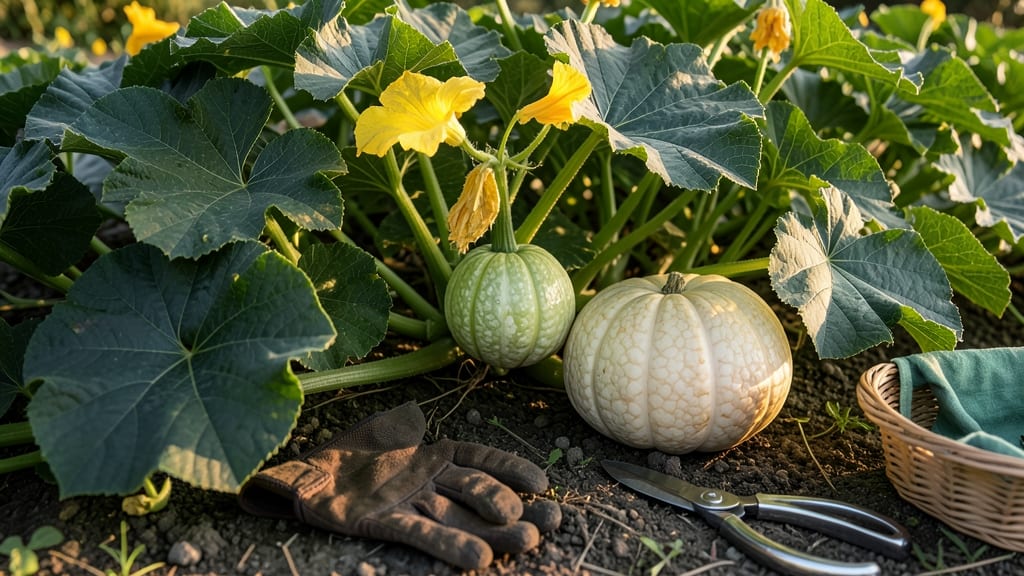
To pick honeynut squash 🎃 at its sweetest, aim for late September when the skin turns a rich tan and the stem dries to a papery touch.
One year, I waited too long—my squash turned bitter, and the vines bolted before I could enjoy them. That’s when I learned the 75-90 day window isn’t just a guideline; it’s the difference between nutty perfection and disappointment.
Look for a hard rind, a slight give when pressed, and a stem that snaps easily at the base. These cues matter more than calendar dates, especially in Zone 6a, where early frosts can sneak up faster than expected.
Below, I’ll walk you through the exact ripeness checks, how to adjust for your climate, and what to do if you miss the window—because even the best gardeners sometimes get it wrong.
Honeynut squash harvest indicators: how to spot perfect ripeness
Honeynut squash thrives when harvested at just the right moment—too early, and you’ll miss its signature sweet, nutty flavor. Too late, and the squash becomes tough and bitter. The key lies in watching for three critical visual and tactile cues that signal peak ripeness.
I’ve learned from years of trial (and a few overly ripe squashes!) that timing matters more than you’d think.
Most honeynut varieties mature between 75 to 90 days after planting, but don’t rely solely on the calendar. Instead, focus on the skin color, stem condition, and fruit weight—these are the true indicators of readiness.
Skipping these checks can mean harvesting a squash that’s either underdeveloped or past its prime, both of which ruin the flavor you’re craving.
📌 Quick Tip: Always harvest on a dry morning to avoid soil contamination and make the fruit easier to handle. A sharp knife or pruning shears works best for clean cuts.
| Harvest Indicator | What to Look For | Action to Take |
|---|---|---|
| Skin Color | Tan or beige (not green) | Check daily once squash reaches 6 inches |
| Stem Condition | Dry, papery, and separates easily | Gently twist stem—if it snaps cleanly, it’s ready |
| Fruit Weight | Feels heavy for its size | Lift gently—ripe squash won’t feel hollow |
| Size Benchmark | 6-8 inches in diameter | Measure with a ruler—don’t wait for giant squash! |
| Leaf Signal | Yellowing or dying back | Act fast—leaves signal plant is redirecting energy |
The skin color is your first clue—ripe honeynut squash transitions from green to a warm tan or beige hue. This change happens gradually, so check your squash every 2-3 days once it reaches 6 inches.
Pro tip: Use a white background to spot color shifts more easily, especially in shaded garden beds.
Next, examine the stem attachment. A ripe honeynut squash will have a stem that’s dry and papery, almost like crumpled paper. Try the twist test: Gently twist the stem near the fruit.
If it snaps cleanly with minimal resistance, your squash is ready. If the stem resists or tears, wait another day or two—this is a foolproof way to avoid underripe squash.
Don’t overlook the fruit’s weight. A perfectly ripe honeynut squash feels surprisingly heavy for its size. Lift it gently—if it feels light or hollow, it needs more time on the vine. This tactile check is especially useful for gardeners with limited color contrast (like those growing in shaded areas).
Size matters too! Aim for squash between 6 to 8 inches in diameter. Larger honeynut squash (over 10 inches) often become woody and less sweet. I’ve made this mistake twice—once with a 12-inch monster that tasted like cardboard. Harvest early to avoid this bitter disappointment.
Watch for leaf changes as another signal. When the plant’s leaves start yellowing or dying back, it’s redirecting energy to the fruit, meaning harvest time is near.
This is your plant’s way of saying, “Pick me now!” Don’t ignore it, or you’ll risk the squash overripening on the vine.
One common mistake is waiting for the first frost to harvest. While honeynut squash can tolerate light frosts, a hard freeze will ruin the flavor and texture. In USDA Zone 6a, aim to harvest by late September to early October—before the first frost date of October 31.
If frost threatens, harvest immediately, even if the squash isn’t perfectly ripe.
Finally, store your freshly harvested honeynut squash in a cool, dry place (around 50-55°F) for up to 3 months. Avoid refrigeration—cold temperatures turn the flesh mealy and bland. With these cues in mind, you’ll never miss the perfect moment to harvest again.
Avoiding the bolt-resistant mistake: why timing matters for sweetness
Honeynut squash reaches its peak sweetness only when harvested at the perfect moment—never too early, never too late. The bolting window, when the plant shifts energy from fruit to seed production, is where flavor fades fastest.
I’ve seen squash go from delicious to bitter in just 3-5 days once bolting begins, so timing is everything.
Understanding this window means knowing how flavor compounds develop. Early harvests (before 75 days) yield underripe squash with a bland, starchy taste. Late harvests (after 90 days) trigger bitterness as the plant prioritizes seed production over fruit sweetness.
The 75-90 day window is your sweet spot for that signature nutty flavor.
Pick Timing Pros & Cons
✔️ Less storage life
✔️ Mild, bland flavor
✔️ Hard, tan rind
✔️ Nutty, rich flavor
✖️ Harder to peel
✖️ Risk of bolting
To avoid the bolt-resistant mistake, I follow a simple 3-step checklist: First, check the skin color—it should be a solid tan, not green or mottled. Second, press the squash gently; it should feel firm with a slight give, like a ripe avocado.
Third, twist the stem at the base—it should snap cleanly, indicating maturity. Skipping any of these steps risks missing the sweet window.
Climate plays a huge role too. In Zone 6a, where I garden, early frosts can force bolting by late September. If you’re in a cooler zone, prioritize early planting (March-April) to extend the growing season.
Warmer zones? Monitor for heat stress, which can also trigger premature bolting. Adjust your harvest timeline based on your local frost dates and temperature trends.
Even with perfect timing, storage matters. Once harvested, honeynut squash stores best in a cool, dry place (50-55°F) for up to 2 months. If you miss the harvest window, don’t despair—underripe squash can still be roasted or pickled, while overripe squash makes great compost.
But for that perfect nutty sweetness, timing is everything.
Next time you’re eyeing your honeynut squash, remember: the 75-90 day window is your golden opportunity. Check those cues, act fast, and you’ll reward yourself with flavor that’s worth the wait. 🎃