
How To
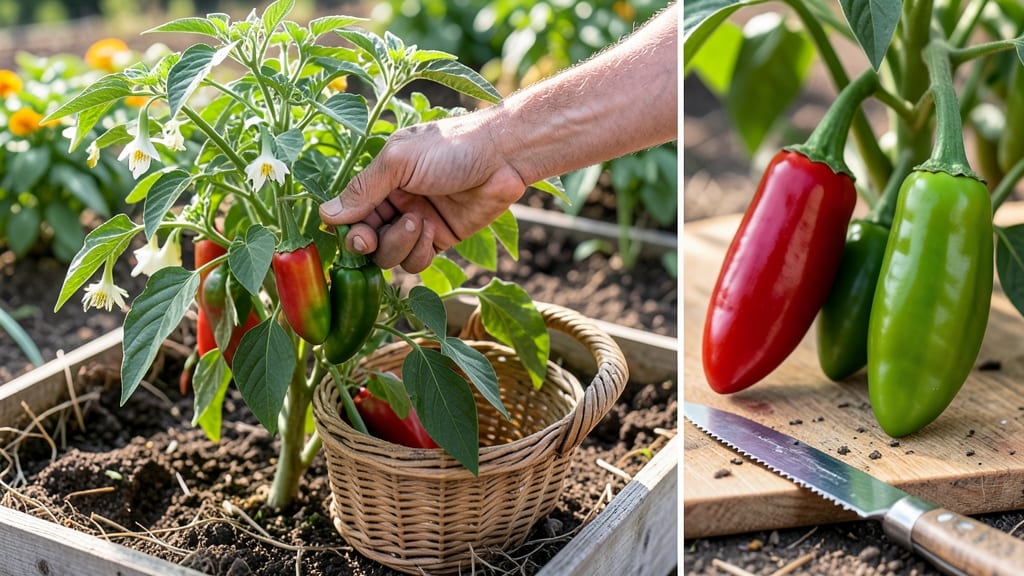
To pick jalapeño peppers at peak heat and flavor, watch for deep color and firmness—because missing this window means losing the signature kick you planted for.
Harvesting jalapeños at the wrong time can mean sacrificing their signature heat and vibrant flavor—so knowing exactly when to pick them is the difference between a fiery success and a bland disappointment.
Most gardeners assume green peppers are ready when they’re 3-5 inches long, but the real test is the stem: it should snap cleanly when bent, not tear.
Overlooking this means peppers left on the plant too long can turn bitter or even rot before you get a chance to use them.
Below, I break down the visual cues—color shifts, size, and firmness—plus how climate and heat units affect timing, so you never miss the perfect harvest window again.


5 Visual and physical signs your jalapeños are ready for harvest
Knowing when to pick jalapeño peppers isn’t just about waiting for them to turn red—it’s about catching them at the peak of their heat, flavor, and texture.
Most gardeners make the mistake of waiting too long for that deep red color, only to miss the perfect window for harvesting green jalapeños, which pack more heat and a crisp bite. The truth? The best time to harvest is often when they’re still green but fully mature.
I’ve learned the hard way that ignoring these visual cues can lead to bitter peppers or even crop loss. Whether you’re growing jalapeños for fresh salsa or drying them for winter, timing is everything.
Below, I’ll walk you through the 5 key signs your peppers are ready to harvest, so you never miss the prime moment again.
Look for vibrant green (for green jalapeños) or deep red/purple (for mature peppers). Avoid peppers with uneven color or green stem ends—they’re not ready yet.
Jalapeños should be firm and plump, typically 3-5 inches in length. Smaller peppers (under 2 inches) are usually underripe and lack heat.
Gently press a pepper—it should yield slightly but not feel mushy. Overripe peppers turn soft and may develop wrinkles or rot.
Grasp the pepper near the stem and bend it slightly. If it snaps off easily, it’s ready. If the stem tears or resists, wait a few days.
For green jalapeños, the stem end should turn brown or yellow. For red peppers, the entire pepper should be uniformly colored with no green patches.
One of the biggest mistakes I’ve seen gardeners make is waiting for jalapeños to turn red before harvesting. While red jalapeños are sweeter and milder, green jalapeños are hotter and more flavorful for many recipes.
If you’re growing them for heat, harvest them when they’re fully green but mature—this is often when their Scoville heat units peak.
Another common error is picking peppers that are too soft or wrinkled. These signs indicate the pepper is overripe or rotting, which can happen quickly in hot, humid climates. Always harvest in the morning when temperatures are cooler to preserve freshness and avoid stressing the plant.
Pro tip: If you’re unsure whether a pepper is ready, check the stem first. A clean snap means it’s harvest-ready, while resistance means it needs more time. This simple test saves you from picking peppers too early or too late—both of which can ruin your crop’s quality.
For gardeners in hotter climates, jalapeños may mature faster, so monitor them closely. In cooler regions, they might take longer to reach harvest size. Pay attention to your plant’s growth rate and local heat units to adjust your harvesting schedule accordingly.
Once you’ve mastered these signs, you’ll never again wonder, “Are my jalapeños ready?” Instead, you’ll confidently harvest them at peak heat and flavor, ensuring your garden yields the spiciest, most delicious peppers possible.
Why timing matters: heat levels, flavor, and how to prevent bolting
Jalapeño peppers aren’t just one-and-done crops—their heat levels and flavor intensity change dramatically as they ripen. A green jalapeño might clock in at 2,500-8,000 Scoville units, but let it turn red, and you’re looking at 10,000-15,000 units—nearly double the spice!
That’s why timing your harvest isn’t just about size; it’s about unlocking the full flavor potential you’re growing for.
The peak flavor window for jalapeños opens when they’re 3-5 inches long and fully colored, whether green, red, or purple. This is when their sweetness balances heat, creating that signature tangy kick.
But wait too long, and the peppers can turn bitter or mealy—especially if the plant starts bolting (flowering prematurely) due to stress from heat or drought.
| Stage | Heat Level (Scoville) | Flavor Profile | Best For | Harvest Tip |
|---|---|---|---|---|
| Green (Immature) | 2,500–8,000 | Mild, grassy, tangy | Pickling, salsas | Harvest at 3-4 inches for best heat |
| Red/Purple (Mature) | 10,000–15,000 | Sweet, fruity, intense heat | Cooking, drying, fresh eating | Wait until fully colored for max flavor |
| Overripe | Varies (often bitter) | Bitter, mealy, watery | Avoid for fresh use | Remove yellowing peppers immediately |
To prevent bolting—when jalapeños send up flower stalks too early—focus on consistent moisture and balanced fertilizer. Bolting is triggered by stress, so mulch heavily to retain soil moisture and avoid sudden temperature swings.
For indoor growers, use grow lights to maintain 14-16 hours of light daily and keep temps between 70-85°F.
If your plants are already bolting, don’t panic. You can still harvest existing peppers and save seeds from the flowers for next year. Prune the bolted stems back to encourage side shoots, which may produce more peppers.
Just avoid over-fertilizing nitrogen-heavy blends, as this can promote leafy growth over fruit.
For outdoor gardeners, time your planting to avoid late-summer heat waves. Jalapeños thrive in 70-85°F soil temps, but temps above 90°F can stunt growth. Use shade cloth during peak afternoon sun in hot climates, and water deeply in the early morning to prevent stress.
Pro tip: Harvest every 2-3 days during peak production to encourage more peppers. The more you pick, the more your plant will focus on producing fruit instead of bolting. And if you’re growing for heat lovers, let a few turn red—they’re worth the wait!