
Picking
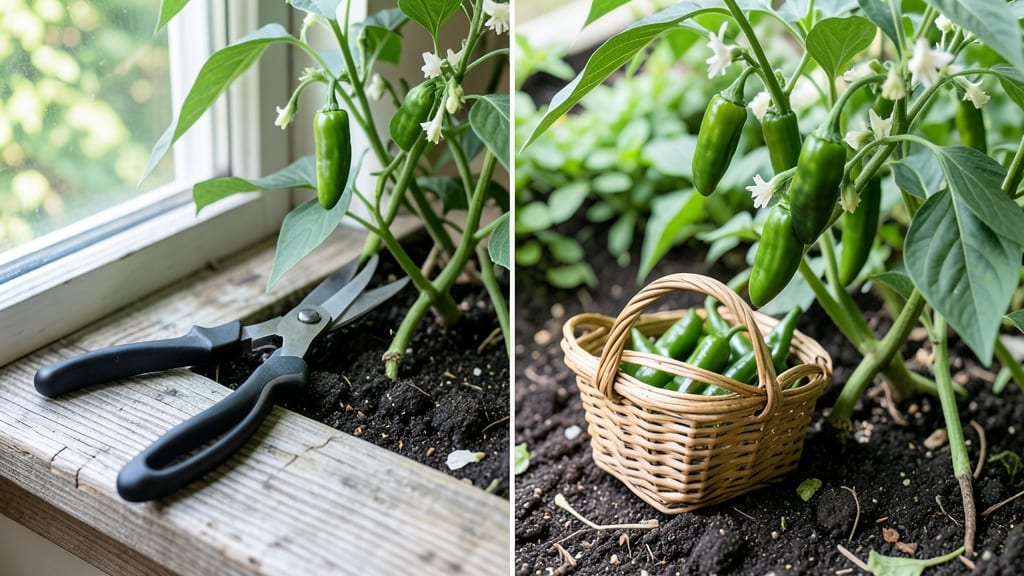
To pick jalapeños at their peak heat and flavor, watch for three size-based triggers that signal the best time to harvest 🌶️.
If you’ve ever bitten into a jalapeño that’s too mild, tough, or bitter, you know timing is everything. The difference between a 3-inch pepper and one left too long on the vine can mean the difference between a perfect salsa and a wasted harvest.
Most gardeners wait until jalapeños reach 3-5 inches long, but the real secret lies in the skin’s firmness, color shifts, and even how the stem snaps. These cues don’t just affect heat—they determine whether your peppers are crisp for fresh eating or ideal for drying.
Below, I’ll break down the exact stages to harvest for maximum flavor, plus how climate and variety play a role in when to pull them from the plant.

Jalapeño size guide: 3 key stages to harvest for optimal heat & flavor
Harvesting jalapeños at the right size ensures peak heat and crisp texture—not to mention avoiding the bitter, tough peppers that develop when left too long 🌱. The three key stages I focus on are small (immature), medium (ideal), and large (overripe).
Each stage dramatically alters flavor, capsaicin content, and even how you’ll use them in recipes.
Most gardeners overlook the stem twist test and skin firmness, but these are critical for determining ripeness beyond just size. A jalapeño that’s 3 inches long but still pale green?
That’s a missed opportunity. Meanwhile, a 5-inch pepper with a dull, wrinkled skin is past its prime and will add bitterness rather than heat to your dishes.
Here’s the secret: Medium-sized jalapeños (3-4 inches) strike the perfect balance between heat intensity and crisp texture. They’re dark green (or their mature color), firm to the touch, and snap easily at the stem.
But if you’re growing for drying or fermenting, you might want to let them ripen further to red or deep brown—though this increases capsaicin levels, which can make them too spicy for some uses.
Let’s break down the three stages with a quick comparison table so you can visualize the differences at a glance.
| Stage | Size | Color | Skin Texture | Capsaicin Level | Best For |
|---|---|---|---|---|---|
| Small (Immature) | 1-2 inches | Pale green | Very firm, glossy | Low | Fresh eating, pickling |
| Medium (Ideal) | 3-4 inches | Dark green | Firm, slightly yielding | Moderate-High | Salsas, grilling, fresh use |
| Large (Overripe) | 5+ inches | Red/brown | Soft, wrinkled | Very High | Drying, fermenting |
Notice how the medium stage offers the best balance? That’s why I always aim to harvest my jalapeños at 3-4 inches for fresh use. The skin firmness is just right—not too tough, not too soft—and the heat level is strong but manageable.
If you’re growing jalapeño varieties like ‘Early Jalapeño’ or ‘Red Jalapeño’, pay extra attention to color shifts, as these can mature faster or slower depending on your climate.
For example, in hotter climates (Zones 8-10), jalapeños may ripen faster and reach the medium stage in just 60 days. In cooler regions (Zones 6-7), they might take up to 90 days to reach the same size.
Always check the stem twist test: a ripe jalapeño’s stem should snap cleanly when twisted, while an unripe one will resist or tear.
If you’re growing jalapeños for drying or fermenting, let them reach the large stage (5+ inches), where they’ll develop a deep red or brown hue and higher capsaicin levels. However, these peppers will be softer and less ideal for fresh eating.
I like to leave a few on the vine for drying while harvesting the rest at the medium stage for immediate use.
One common mistake I see is waiting until jalapeños turn red before harvesting. While this increases heat, it also means the peppers are past their prime for most culinary uses.
Instead, focus on the size and skin firmness first, then adjust for your specific needs—whether that’s fresh salsa, pickling, or drying.
Pro tip: If you’re unsure whether a jalapeño is ready, do the thumbnail press test
How to test jalapeño ripeness beyond size: the twist-and-taste method
Size alone doesn’t guarantee a perfect jalapeño. Even a 4-inch pepper can be underripe if the skin feels rubbery or the stem snaps too easily. The key is combining three simple tests to confirm ripeness—because overripe peppers lose heat and texture faster than you think 🌱.
Start with the stem twist test, the fastest way to check maturity. Gently twist the pepper near its stem—if it snaps cleanly without resistance, it’s ready.
But if the stem pulls out with the pepper, it’s not quite there yet. This method works because mature peppers naturally separate at the stem 🪴.
- Twist Test: Twist the pepper near the stem—it should snap cleanly at the base.
- Firmness Check: Press the skin lightly with your thumbnail; it should yield slightly but not dent deeply.
- Color Shift: Look for a deep, glossy green (or final mature color) with no yellowing or dull patches.
- Flavor Test: Cut one open—ripe peppers have crisp flesh and a balanced heat, not a hollow or overly bitter taste.
- Size Confirmation: Measure 3-5 inches from stem to tip; smaller peppers are usually underripe.
Next, check the skin firmness—press your thumbnail into the pepper’s side. A ripe jalapeño will give slightly under pressure but won’t dent like an overripe one. Think of it like testing a ripe avocado: just enough give to know it’s ready, not mushy or rock-hard 🤏.
Don’t overlook the color shift. While green jalapeños are classic, the best flavor comes when they reach their final mature hue—often a deeper green or even red, depending on the variety. A dull or yellowing pepper means it’s past its prime and losing heat potential ☀️.
Finally, the taste test is your final judge. Cut one open and sample it—ripe peppers have crisp flesh and a balanced heat, while underripe ones taste bland or hollow.
Overripe peppers, on the other hand, may feel mealy or bitter. This step is especially useful for heirloom varieties, which can vary widely in flavor profiles 🌶️.
Avoid these common mistakes: harvesting based solely on size, ignoring skin texture, or waiting until peppers turn red if you prefer green ones. Even a 5-inch pepper can be underripe if the stem doesn’t snap cleanly—always combine these tests for the best results!