
Vegetables
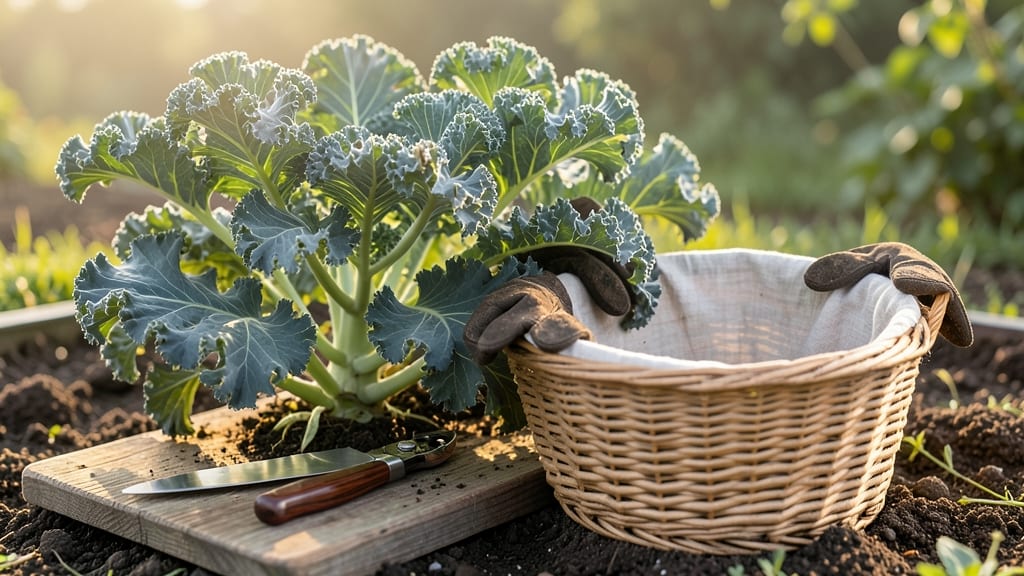
To pick kale at its sweetest and most tender, time your harvest when leaves reach 6-8 inches and frost is still 2-3 weeks away—this window is everything for flavor and texture.
Picking kale at the wrong time can turn your homegrown harvest into bitter, tough leaves—so timing your harvest by color and frost is key to maximizing flavor and nutrition.
In USDA Zone 6a, your best bets are late spring (May-June) or fall (October-November), when leaves are deep green or purple and stems stay firm. A light frost actually sweetens the leaves, but wait too long and you’ll regret it.
Below, I’ll walk you through how to check leaf color, stalk firmness, and the perfect harvest window—plus how to extend your season if you’re not ready to say goodbye to your 🥬 just yet.

How to harvest kale by leaf color for peak flavor
Harvesting kale at the right color stage transforms your garden bounty from tough and bitter to sweet, tender, and packed with nutrients. The leaf color isn't just about aesthetics—it directly impacts flavor, texture, and even nutritional value.
For example, deep green leaves offer the classic kale taste, while purple varieties develop a slightly sweeter, almost fruity note when fully mature.
I’ve learned the hard way that waiting too long for perfectly mature leaves can backfire—overgrown kale becomes woody and fibrous, ruining the delicate balance of nutrients. Conversely, harvesting too early means missing out on the peak sweetness that develops as the plant matures.
The key is understanding how color changes signal readiness and adjusting your harvest strategy accordingly.
🌱 Did You Know? Kale leaves actually become sweeter after a light frost! This natural phenomenon boosts their sugar content, making late-fall harvests some of the most flavorful of the season. But timing is everything—wait too long, and frost-damaged leaves turn mushy.
| Leaf Color | Maturity Stage | Flavor Profile | Best For | Harvest Tip |
|---|---|---|---|---|
| Bright Green | Baby Leaves (4-6 weeks) | Mild, slightly sweet | Salads, smoothies | Harvest outer leaves when 4-6" long |
| Deep Green | Mature Leaves (6-8 weeks) | Classic kale taste, slightly earthy | Chips, sautéing, storage | Pick when leaves are 8-12" long |
| Purple-Bronze | Late-Mature (8+ weeks) | Sweeter, almost fruity | Mass harvest before frost | Harvest after light frost for sweetness |
| Yellowing Edges | Over-Mature | Bitter, tough texture | Compost or discard | Remove damaged leaves immediately |
The bright green stage is perfect for harvesting baby kale leaves, which are ideal for salads and smoothies. These young leaves, typically 4-6 weeks old, are tender and mild—almost like spinach but with kale’s nutritional punch.
I like to harvest them by snipping individual leaves from the outer edges, leaving the center to keep producing. This method ensures a continuous harvest without stressing the plant.
When kale reaches its deep green phase (around 6-8 weeks), that’s when you’ll get the classic kale experience—earthy, slightly peppery, and packed with vitamin K and calcium. These leaves are perfect for baking kale chips or sautéing.
Look for leaves that are 8-12 inches long with a firm texture. If you’re growing varieties like Lacinato (Dinosaur Kale), this stage is prime for storage—just trim the leaves and store them in the fridge for up to a week.
One of my favorite discoveries is how purple-bronze kale transforms as it matures. These varieties, like Red Russian or Redbor, develop a stunning deep purple hue when fully grown. The color change isn’t just pretty—it signals a sweeter, almost fruity flavor.
The best time to harvest these is just before a light frost, as the cold enhances their natural sugars. I’ve found that harvesting purple kale after 28°F nights gives it that perfect balance of sweetness and earthiness.
But here’s a critical warning: if you see yellowing edges or leaves that feel woody and tough, you’ve waited too long. Over-mature kale loses its tenderness and develops a bitter taste that’s hard to mask.
At this stage, it’s better to compost the leaves and focus on harvesting younger growth. I’ve learned to check my kale plants weekly in late fall to catch this stage before it ruins an entire harvest.
For year-round harvests, I recommend planting a mix of early and late varieties. Early varieties like Winterbor mature quickly (in 30-40 days) and are perfect for spring harvests, while late varieties like Vates can handle frost and keep producing well into winter.
This strategy ensures you always have fresh, flavorful kale—no matter the season.
Pro tip: Always harvest kale in the morning after dew dries. This ensures the leaves are crisp and full of moisture, making them ideal for storage or immediate use.
I also like to use clean, sharp pruning shears to avoid crushing the stems, which can lead to rot or pest issues.
🌿 Remember: The color of your kale isn’t just about looks—it’s a flavor map that tells you exactly when to pick for the best results.
Whether you’re growing baby leaves for salads or mature stalks for storage, paying attention to these color cues will give you kale that’s always at its peak!
Kale harvest timing based on frost and seasonal conditions
Kale thrives in cooler weather, and understanding how frost impacts your harvest can mean the difference between sweet, tender leaves and bitter, tough ones. Most varieties actually sweeten up after a light frost, but timing is everything.
Hardy varieties like Winterbor or Lacinato can handle 20°F temperatures, while tender types like Red Russian may struggle below 28°F.
In USDA Zone 6a, your best harvest windows are late spring (May-June) and fall (October-November), when temperatures dip but haven’t yet frozen. A light frost (28-32°F) enhances sweetness, but wait too long, and your plants may bolt or become woody.
Below, I’ll break down the exact timing for peak harvests and how to stretch your season.
- 🥬 Harvest 2-3 weeks before hard frost for tender leaves—aim for 35-40°F nights in fall.
- ❄️ Light frost (28-32°F) sweetens leaves—pick within 3-5 days after for best flavor.
- ⏰ Fall harvest peak: October-November in Zone 6a; spring harvest: May-June after last frost.
- 🌡️ Hardy varieties (Winterbor, Lacinato) tolerate 20°F—harvest even after light freezes.
- 🍂 Extend harvests with row covers—protect plants from below 25°F to delay frost damage.
For fall harvests, start picking when leaves reach 6-8 inches and temperatures drop to 40-50°F. A light frost (28-32°F) actually converts starches to sugars, making leaves sweeter—just harvest within 3-5 days after frost for peak flavor.
If your area gets hard freezes (below 20°F), opt for hardy varieties like Winterbor or Dwarf Blue Curled.
To extend your harvest into winter, use row covers or cold frames to protect plants from below 25°F. This buys you 4-6 extra weeks of harvests, even in colder climates.
Just remove covers during the day to prevent overheating and check for pest damage regularly. Mulch heavily with straw or leaves to insulate roots from freezing temperatures.
If you miss the fall window, don’t despair—kale is a cut-and-come-again crop. In spring, harvest outer leaves when they reach 5-6 inches and new growth appears.
Avoid cutting into the center stem, as this can stunt regrowth. For continuous harvests, space plantings 2-3 weeks apart in early spring and late summer.
Remember, over-harvesting weakens plants, so leave at least half the leaves to keep the plant producing. If your kale bolts (sends up a flower stalk) before harvest, it’s time to pull it—bolting makes leaves bitter and tough.
With the right timing, you can enjoy homegrown kale for months, even through winter’s chill. 🥬