
How To
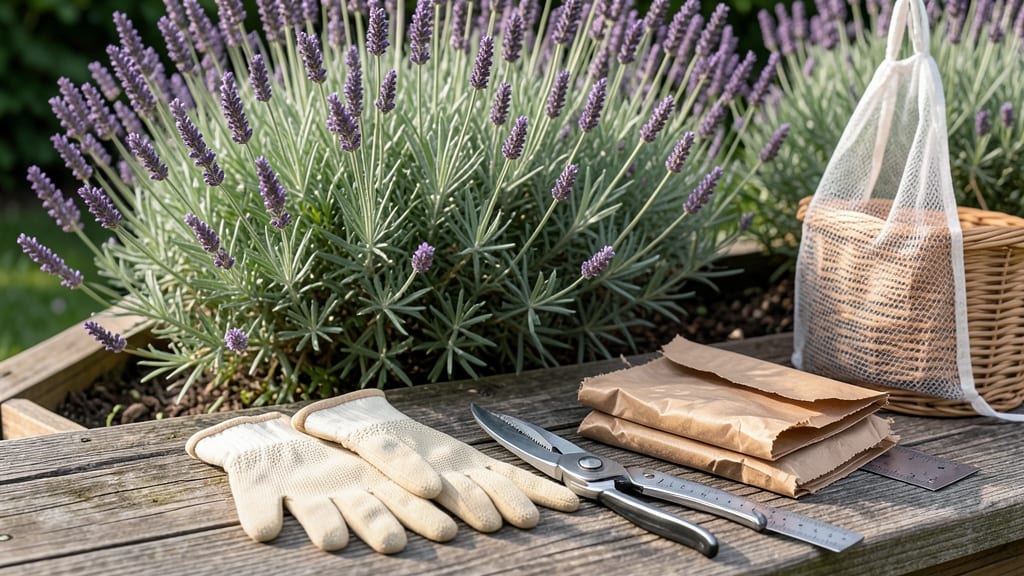
Pick lavender for drying when the buds are fully opened but before seed heads form—this mid-summer window captures the peak scent and color.
Timing is everything with lavender 🌿. Harvest too early, and you’ll miss the rich oils that make dried bundles fragrant for months. Pick too late, and the buds turn woody, losing their signature purple hue and sweet aroma.
You’ll know it’s ready when the flower clusters are swollen but haven’t yet released their petals—this means the stems are firm, the color is deep, and crushing a bud releases that unmistakable lavender scent.
In this guide, I’ll walk you through the exact stages to watch for, the best time of day to harvest, and how to dry your lavender for maximum fragrance and color retention.

Optimal lavender harvesting stages for drying: buds vs. flowers
Lavender reaches its peak fragrance and color intensity when harvested at the bud stage, just before the flowers fully open. This mid-bloom window captures the highest concentration of essential oils, which are the secret to long-lasting dried lavender bundles that fill your home with that signature scent.
The three key stages of lavender development—pre-bloom, full bloom, and seed formation—each yield dramatically different results when dried. Understanding these stages helps you avoid the two biggest mistakes: harvesting too early (when oils haven't fully developed) or too late (when buds turn woody and lose their vibrant purple hue).
| Development Stage | Visual Characteristics | Harvest Readiness | Scent & Color Quality | Best For |
|---|---|---|---|---|
| Pre-Bloom | Bud clusters tightly closed, stems soft and green | Not ready 🔴 | Low oil content, pale color | Fresh culinary use only |
| Bud Stage | Swollen buds, deep purple color, firm stems | Perfect time ✅ | Highest oil concentration, vibrant color | Drying bundles, sachets |
| Full Bloom | Petals fully open, stems woody | Acceptable but suboptimal ⚠️ | Moderate oils, color fades faster | Fresh arrangements, teas |
| Seed Formation | Brown seed heads, stems hard and dry | Too late 🚫 | Minimal scent, woody texture | Compost or pruning only |
The bud stage is your sweet spot for drying because this is when lavender produces its highest concentration of essential oils. These oils are what give dried lavender its signature fragrance and therapeutic properties.
When you harvest at this stage, you're essentially locking in that peak scent profile that will last for months in your dried bundles.
At the bud stage, the stems are firm and woody, not soft and green like in the pre-bloom stage. This firmness indicates the plant has fully developed its structural support for the upcoming flowers.
The buds themselves should be deep purple and swollen—almost like they're about to burst open. If you gently crush a bud between your fingers, you should get that unmistakable lavender aroma.
Many gardeners make the mistake of waiting until the flowers are fully open to harvest. While this lavender will still dry, it won't have the same intense fragrance or vibrant color as bud-stage lavender.
The fully opened flowers have already released some of their essential oils into the air, and the petals will dry to a more muted shade of purple or even brown in some varieties.
If you miss the bud stage window, you can still harvest lavender at full bloom, but you'll need to be aware that the drying process will be less successful.
The petals will dry more quickly than the buds, potentially causing the stems to become brittle before the flowers are fully dry. This can lead to broken stems and a less visually appealing dried bundle.
For the best results, aim to harvest your lavender every 6-8 weeks during the growing season. This regular harvesting encourages the plant to produce more buds and extends the overall harvest window.
Just remember: the earlier you harvest in the season, the more buds you'll get on each stem, and the more fragrant your dried lavender will be.
When you're ready to harvest, use clean, sharp pruning shears to cut the stems just above a leaf node. This encourages new growth and helps maintain the plant's shape. Bundle the stems together and hang them upside down in a well-ventilated, dry area away from direct sunlight.
With proper drying techniques, your lavender will retain its beautiful color and wonderful scent for years to come.
🌿 Remember, the key to successful lavender drying is timing—harvest at the bud stage, and you'll be rewarded with bundles that smell as good as they look!
How to check lavender readiness: 3 key visual cues
Identifying the perfect moment to harvest lavender for drying starts with understanding its visual cues. The three key indicators—bud development, stem firmness, and color depth—tell you exactly when to snip for the best scent and color retention.
Most gardeners miss the ideal window because they focus on flower color alone. But lavender’s bud stage is where the magic happens—this is when the essential oils peak, ensuring your dried bundles stay fragrant for months.
-
1. Bud Clusters
Look for swollen buds that are ready to open but haven’t released petals. These buds should feel firm when gently squeezed—not soft or mushy. -
2. Stem Firmness
Hold a stem between your fingers—it should feel woody and sturdy, not bendy or green. Soft stems mean the plant isn’t ready for harvest. -
3. Color Depth
The buds should be a deep purple hue (not pale or green). A rich color indicates peak oil production and better drying results.
One common mistake is harvesting when lavender starts to open fully. By this stage, the buds lose their signature scent and color, making them less ideal for drying. Always aim to pick just before the petals unfurl.
Another pro tip: crush a bud between your fingers. If it releases a strong, sweet lavender aroma, it’s ready for harvest. A weak scent means you’ve missed the window or picked too early.
Timing your harvest correctly ensures your dried lavender retains its fragrance and color for years. Miss these visual cues, and you’ll end up with dull, scentless bundles that crumble easily.
Now that you know what to look for, grab your pruners and head to the garden—just remember to harvest on a dry, sunny morning for the best results! ✂️🌿