
How To
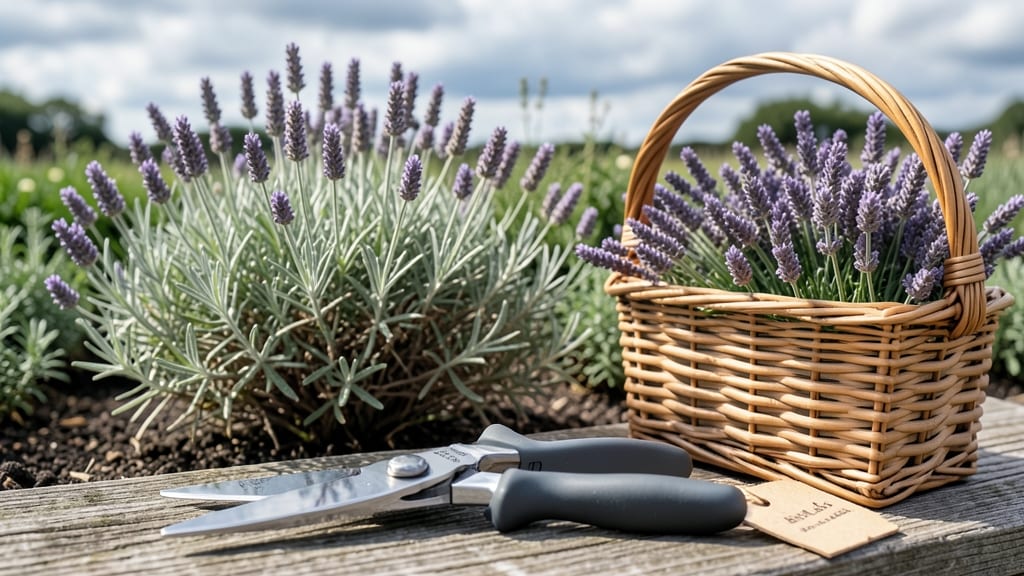
Harvest lavender for drying when the buds are just beginning to open but still tightly closed—this peak oil window ensures the richest scent and color.
Picture this: you’ve nurtured your 🌸 lavender all season, and now the moment arrives—harvest too early, and the essential oils aren’t fully developed; too late, and the flowers fade to a dull brown. The difference between fragrant bundles and sad, limp stems comes down to timing.
In USDA Zone 6a, mid to late summer (July–August) is prime time, but regional climates shift the schedule. The key is catching those buds when they’re swollen and ready to bloom—before the morning dew dries but after the worst heat of the day has passed.
Below, I’ll walk you through how to spot the perfect moment, test readiness with simple tricks, and prepare your lavender for drying—so you end up with bundles that smell like summer, not disappointment.

The Optimal harvest window: buds just before full bloom
Harvesting lavender at the wrong stage can ruin its aromatic potency and color vibrancy. The sweet spot occurs when buds are ⅔ open but still tightly closed—this is when essential oils peak and drying quality is at its best.
I’ve learned this through years of trial and error, and it’s the secret to fragrant, long-lasting lavender bundles.
At this stage, lavender’s buds look swollen and woody stems firm up, signaling maximum oil content. Waiting too long means buds open fully, reducing color retention and scent intensity during drying. The morning hours are ideal for harvesting—dew has evaporated, but afternoon heat hasn’t yet compromised quality.
| Harvest Stage | Visual Cues | Essential Oil Content | Drying Success |
|---|---|---|---|
| Too Early (Tight Buds) | Bud clusters closed, stems soft | Low (oils not yet developed) | Poor (buds shrink, weak scent) |
| Optimal (⅔ Open) | Swollen buds, woody stems, deep color | Peak (highest linalool/lavandulol) | Excellent (color retention, strong aroma) |
| Too Late (Fully Open) | Petals unfurled, stems may soften | Declining (oils dissipate) | Fair (pale color, weak scent) |
🌿 Pro Tip: Harvest on dry mornings after 3-4 days of sunshine for best results.
Understanding lavender’s bloom cycle is key. Most varieties like English lavender and French lavender reach this stage in mid-to-late summer, typically July–August in temperate climates. However, Spanish lavender often blooms earlier, around June, so monitor your plants closely.
I recommend checking buds every 2–3 days during peak bloom season to catch the perfect moment.
Seasonal variations play a huge role. In cooler climates (USDA Zones 5–7), lavender may bloom later, while warmer zones (8–10) see earlier harvests. Even within the same region, microclimates can shift timing by weeks.
For example, my lavender in Zone 6a always peaks in early August, but a neighbor’s south-facing slope harvests a full week earlier due to extra heat.
Beyond bud development, weather conditions impact harvest quality. Avoid cutting after rain or heavy dew, as moisture weakens stems and attracts mold during drying. Similarly, harvesting in scorching afternoon heat can cause buds to wilt before you even bundle them.
I’ve found that early mornings (6–9 AM) on clear, dry days yield the best results—buds stay crisp, and essential oils remain concentrated.
One of my biggest mistakes was harvesting fully open lavender for a craft fair, only to end up with bundles that lost 70% of their scent within weeks. The lesson? Color isn’t the only indicator—bud firmness and scent intensity matter just as much.
A quick sniff test can save you from disappointment: Optimal buds smell rich and herbal, while overripe ones have a fainter, sweeter aroma.
For drying success, cut stems at a 45-degree angle just above a leaf node to encourage regrowth. Bundle 5–10 stems together with twine or rubber bands, leaving 2–3 inches of stem exposed for hanging.
Store bundles in a dark, well-ventilated space for 2–3 weeks, flipping them weekly to ensure even drying. Properly dried lavender should crunch slightly when rubbed between fingers—a sure sign of preserved oils.
If you’re unsure about timing, use the “bud snap test”: Gently pinch a bud between your fingers. At the perfect stage, it should snap cleanly with minimal resistance. If it feels soft or mushy, wait a few days.
This simple trick has saved me from harvesting too early countless times. Pair it with the color check—deep purple buds are ready, while pale or greenish ones need more time.
Finally, remember that lavender varieties differ. Grosso lavender, for instance, has larger buds that mature slightly later than Munstead lavender. Always research your specific variety and adjust your harvest window accordingly.
With practice, you’ll develop an eye for the perfect moment—when your lavender is at its peak fragrance and visual appeal, ready to transform into fragrant sachets, potpourri, or therapeutic oils.
How to test lavender readiness for harvesting (3 key methods)
Knowing exactly when to harvest lavender for drying can transform your fragrant bundles from mediocre to extraordinary. The difference between peak oil potency and fading color often comes down to three simple tests I’ve perfected over years of drying lavender.
These methods help me avoid the two biggest mistakes: harvesting too early (when buds lack essential oils) or too late (when flowers lose their signature hue).
Timing matters because lavender’s aromatic compounds and color pigments reach their maximum just before full bloom. Waiting too long means your dried lavender will look dull and smell weak, while harvesting too soon results in bundles that never develop their full therapeutic benefits.
Let’s explore the three foolproof tests I use every harvest season.
- Bud Snap Test: Pinch a bud cluster—if it snaps cleanly (not bends), it’s ready. Woody stems indicate maturity.
-
Color Comparison: Buds should be deep purple (not pale or green). Use this chart:
🟣 Ready🟤 Not Ready
- Scent Intensity: Crush a bud between fingers—rich, herbal aroma means peak oil. Weak scent = wait 2-3 days.
The bud snap test is my go-to method because it’s instant and requires no tools. I grab a stem and gently pinch a bud cluster between my thumb and forefinger. If it snaps cleanly (like dry pasta), the lavender is ready.
If it bends or feels soft, it’s not mature enough. This test works because woody stems indicate the plant has redirected energy from growth to flower development, which is when essential oils peak.
For color comparison, I use a simple visual trick: ready buds should be deep purple (almost black in some varieties like English lavender). Avoid harvesting if buds are pale green or unevenly colored—this often means uneven maturity or stress.
I’ve found that morning sunlight enhances color vibrancy, so I test buds in the early afternoon when colors are most accurate.
Finally, the scent intensity test is my favorite because it directly measures what matters most—aroma potency. Crush a single bud between your fingers and take a deep sniff. Ready lavender should fill your nose with a bold, herbal scent that lingers.
If the aroma is faint or grassy, wait 2-3 days and retest. I’ve noticed that humid mornings can dull scents temporarily, so I always test after 10 AM when dew has evaporated.
Avoid harvesting after rain or extreme heat, as both conditions dilute essential oils. I’ve learned this the hard way—once, I harvested lavender after a sudden downpour, and my dried bundles smelled disappointingly mild.
Similarly, cutting in midday heat (above 90°F) can cause buds to wilt before they dry properly. Always harvest on clear, dry mornings between 8 AM and 10 AM for the best results.
With these three tests, you’ll never second-guess your lavender harvest again. The key is consistency—test the same buds using all three methods before cutting. Once you master timing, your dried lavender will have that profound, spa-like fragrance that makes all the effort worthwhile. 🌿