
How To
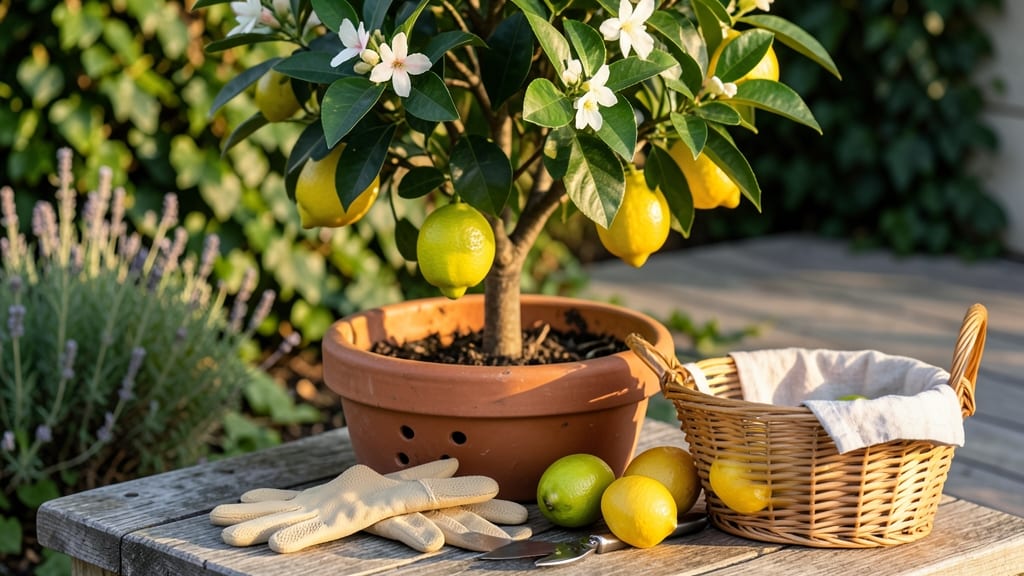
To pick Meyer lemons 🍋 from a potted tree at the sweetest, juiciest moment, timing is everything—and guessing wrong means bitter, mealy fruit that falls short of the flavor you crave.
Picture this: you’ve nurtured your Meyer Lemon through summer’s heat and winter’s chill, only to watch the fruit linger on the branch, stubbornly green or suddenly mushy. The difference between a perfect harvest and disappointment often comes down to one simple check most gardeners miss.
Here’s the game-changer: a 5-step, non-destructive method to test ripeness without harming your tree, from color shifts to the telltale scent of a ready lemon.
Whether you’re in Zone 6a or a container on your patio, these cues will have you harvesting at peak sweetness—no more waiting too long or picking too soon.
Below, I’ll walk you through the exact signs to watch for, the seasonal timeline for potted trees, and how to avoid the 3 biggest mistakes that turn great lemons into disappointments. Ready to turn your tree’s bounty into the juiciest, most flavorful harvest yet?

5 Non-destructive ways to check Meyer lemon ripeness (without harming the tree)
Potted Meyer lemons ripen at their own pace, and picking too early or too late can ruin that sweet, tangy flavor you love. The key is using non-destructive tests that let you check ripeness without damaging the fruit or tree.
These methods—ranked from most reliable to least—will help you harvest at peak perfection every time.
Why does ripeness matter? Overripe lemons become mealy and bitter, while underripe ones lack sweetness. The good news? You don’t need fancy tools—just your eyes, fingers, and nose. Start with the most reliable indicators first to avoid mistakes, especially if you’re new to growing potted citrus.
🌱 5 Non-Destructive Ripeness Checks
- 1. Color Shift: Look for bright yellow (not green) with minimal green patches. Meyer lemons stay slightly green at the base even when ripe.
- 2. Thumb Pressure Test: Gently press the lemon’s skin—it should yield slightly (like a ripe avocado) but not feel mushy.
- 3. Peel Flexibility: Gently bend the peel—ripe lemons bend easily without cracking. Hard peels mean underripe fruit.
- 4. Seed Development: Cut a small slit in the blossom end to check seeds—ripe lemons have fully formed, white seeds (not translucent).
- 5. Aroma Test: Sniff near the stem end—ripe lemons emit a strong, sweet citrus scent. Weak or sour smells mean it’s not ready.
🍋 Pro Tip: Combine 2-3 tests for accuracy—no single method is foolproof!
Let’s break down each method so you can confidently test your potted Meyer lemons without harming the tree. Start with color changes, the easiest visual cue. Look for a shift from green to bright yellow, though Meyer lemons often retain a tiny green patch near the stem.
This color transformation signals the fruit’s internal sugar development, which is crucial for sweetness.
The thumb pressure test is my go-to for tactile feedback. Press your thumb into the lemon’s skin—it should give just slightly, like pressing a ripe peach. If it feels rock-hard, the lemon needs more time; if it’s too soft or dented, it’s overripe.
This test works best on smaller lemons (under 3 inches), as larger ones may feel firmer due to size.
Next, try the peel flexibility test, which reveals the lemon’s internal moisture balance. Hold the lemon gently and bend the peel—ripe lemons bend easily without cracking.
If the peel snaps or resists, the lemon isn’t ready. This method is especially useful for potted trees, where water stress can affect ripeness.
For a deeper check, use the seed development test. Carefully slice a small slit (about ¼ inch) in the blossom end with a sharp knife—this won’t harm the tree if done gently.
Look for white, fully formed seeds; translucent or underdeveloped seeds mean the lemon needs more time. This test is the most accurate but requires a tiny incision.
Finally, trust your nose with the aroma test. Hold a ripe Meyer lemon near your nose and sniff—it should release a bold, sweet citrus scent. Weak or sour smells indicate underripe fruit, while a fermented or vinegary odor means it’s overripe.
This test is subtle but incredibly effective once you train your senses.
Remember, potted trees ripen more slowly than in-ground citrus due to limited root space. If your tree is in a small container (under 15 gallons), lemons may take 2-4 weeks longer to ripen. Adjust your expectations and use these tests weekly in late summer/fall for the best results.
Once you’ve confirmed ripeness, harvest by twisting gently until the lemon detaches—no need for pruners! Store ripe lemons at room temperature for up to 2 weeks or in the fridge for longer shelf life.
Overripe lemons can be used for homemade lemon curd or infused oils, but nothing beats the fresh flavor of perfectly timed harvests.
🌿
Meyer lemon ripeness timeline: month-by-month growth stages in potted trees
Understanding your Meyer lemon’s seasonal growth stages is the key to timing harvests for peak sweetness. Unlike in-ground citrus, potted trees experience faster ripening due to container stress and climate fluctuations—meaning you’ll need to adjust your expectations based on whether your tree lives indoors or outdoors.
In Zone 6a, outdoor potted Meyer lemons typically bloom in late spring (May-June) after the last frost, while indoor trees may flower year-round if given consistent light. The fruit’s journey from blossom to harvest spans 6-9 months, with critical ripening cues appearing between September and January.
| Stage | Months (Zone 6a) | Key Signs | Harvest Window |
|---|---|---|---|
| Blossom | May-June | White/pink flowers appear; fruit sets as green "lemons" | N/A |
| Early Growth | July-August | Fruit grows rapidly; hard and green (not ready) | N/A |
| Color Shift | September-October | Skin turns yellow-green; slight softness when pressed | Early harvest (if indoors) |
| Peak Ripeness | November-December | Bright yellow with minimal green; firm but yielding skin | Primary harvest |
| Overripe | January-February | Skin wrinkles; mealy texture when squeezed | Avoid (bitter flavor) |
Container size plays a surprising role in ripening speed. A 5-gallon pot may produce fruit 2 months earlier than a 15-gallon pot because smaller roots stress the tree, accelerating maturation. If your Meyer lemon is in a dwarf variety, expect harvests 3-4 weeks sooner than standard trees.
Outdoor potted trees in cooler climates (like Zone 6a) often ripen later than indoor trees due to temperature drops. Move containers indoors before first frost (October 15) to protect fruit and extend the harvest window.
Indoor trees under grow lights may produce lemons year-round but require 12-14 hours of light daily to maintain ripening consistency.
Pro tip: Mark your calendar for late November—this is the sweet spot for Meyer lemons in Zone 6a. If your tree is indoors, you might harvest as early as October, but always check for the 3 key ripeness cues: color, scent, and skin flexibility.
Miss this window, and you’ll risk mealy, bitter fruit that’s past its prime.