
How To
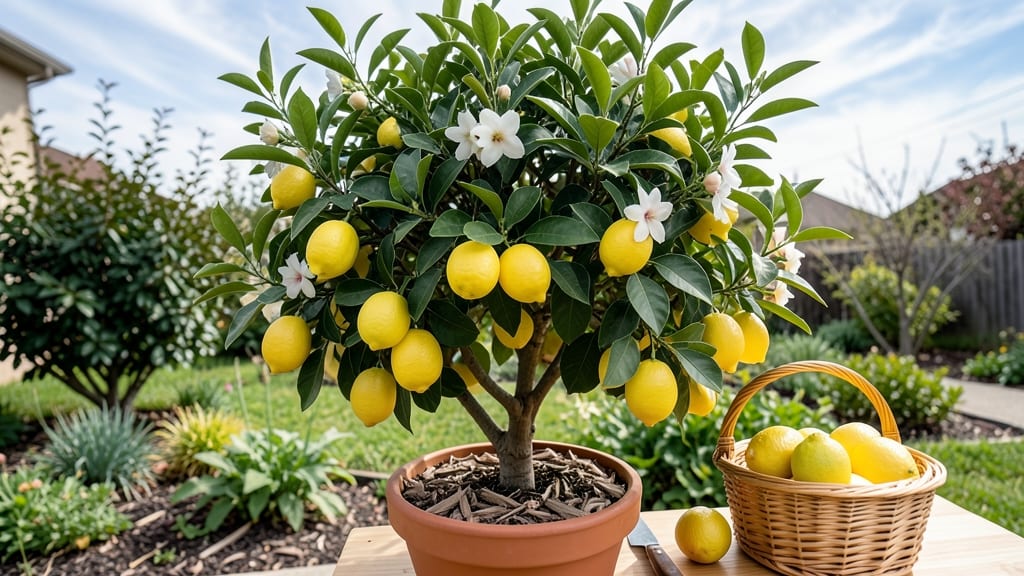
Picking Meyer lemons 🍋 from your tree at the right time means the difference between tart, mealy fruit and sweet, juicy perfection.
Harvesting too early leaves you with bitter, underripe lemons, while waiting too long risks overripeness—especially in heatwaves when fruit can spoil faster than you think. The key is knowing exactly when to pluck them for peak flavor and texture.
You’ll learn how to spot the perfect Meyer lemon by its color, size, and firmness, plus how extreme heat changes the ripening game. No more guessing—just a foolproof way to time your harvest for the best taste.
From visual cues to touch tests and climate adjustments, I’ll walk you through everything you need to pick your lemons at their absolute peak.

Meyer lemon ripeness guide: color, size, and touch test for perfect harvest
Meyer lemons 🍋 reach peak flavor when harvested at the right stage—too soon, and they're tart and seedy; too late, and they become mealy or drop prematurely. The perfect lemon combines bright yellow color, full size, and a slightly yielding skin when gently squeezed.
Mastering these three cues ensures you harvest fruit at its sweetest, juiciest point.
Start by examining the color progression. Unripe Meyer lemons are deep green, while ripe ones develop a golden yellow hue. Some varieties may show slight green patches—this is normal and doesn’t indicate unripeness.
The transition from green to yellow typically takes 4-6 weeks in ideal conditions, but heatwaves can accelerate this process.
Next, check the size benchmark. A fully ripe Meyer lemon should measure about 2.5-3.5 inches in diameter. Smaller lemons are underdeveloped, while oversized ones may be overripe. Compare your lemons to store-bought Meyer lemons for a quick reference—ripe homegrown lemons are often slightly larger and heavier.
Here’s where the touch test comes in. Gently squeeze the lemon—ripe fruit should yield slightly under pressure but not feel mushy. If it’s rock-hard, it’s unripe; if it feels soft or wrinkled, it’s overripe. This tactile check is your best indicator of internal sweetness and juice content.
| Ripeness Stage | Color | Size | Touch Test | Harvest Time |
|---|---|---|---|---|
| Unripe | Deep green 🟢 | Small (<2 inches) | Hard (no give) | Wait 2-4 weeks |
| Partially Ripe | Yellow-green 🟢🟡 | Medium (2-2.5 inches) | Firm (slight resistance) | Harvest soon |
| Fully Ripe | Bright yellow 🟡 | Large (2.5-3.5 inches) | Yields slightly 🤏 | Harvest now! |
| Overripe | Dull yellow or wrinkled | Same or shriveled | Soft or mushy | Use immediately |
For heatwave conditions, adjust your timing—extreme heat can cause lemons to ripen faster and even drop prematurely. If temperatures exceed 90°F (32°C), check fruit every 3-5 days instead of weekly. Look for sunburned patches (dull, brown spots) and harvest those lemons immediately, as they won’t improve.
Pro tip: Morning harvests are ideal because lemons are cooler and firmer. Use pruning shears or sharp scissors to avoid damaging the tree, and always cut about 1/4 inch above the fruit stem. This prevents rot and ensures the tree can heal properly for next season’s crop.
If you miss the perfect window, don’t worry—Meyer lemons can ripen slightly after picking. Place underripe lemons in a paper bag with a ripe banana or apple for 2-3 days to speed up ripening using natural ethylene gas. Avoid refrigerating until fully ripe, as cold temperatures can dull their flavor.
Remember, the earlier you harvest, the more tart and seedy the lemons will be. Balance sweetness and acidity by picking when 70-80% of the fruit shows yellow color. This ensures a harmonious flavor profile perfect for juicing, baking, or enjoying fresh.
Heatwave harvesting tips: how extreme heat affects Meyer lemon ripening
When temperatures soar above 90°F (32°C), Meyer lemons ripen faster but often sacrifice flavor quality. The heat accelerates sugar conversion, making fruit sweeter but also more prone to sunburn or dropping prematurely.
I’ve learned to adjust my harvesting schedule during heatwaves to avoid these pitfalls while still capturing peak sweetness.
Extreme heat can trick your lemons into stress-induced ripeness, where they turn yellow but remain tart or mealy inside. This is why I now check for three key signs before harvesting: color, firmness, and the "twist test."
Skipping these checks can leave you with fruit that’s visually ripe but flavorless.
⚠️ callout warning
🔥 HEATWAVE HARVEST WARNING
Pick Meyer lemons 1-2 weeks earlier during heatwaves—before full yellow color—to avoid overripening. Look for 70% yellow skin and slight softness under gentle pressure. Ignoring this can lead to sunburned rinds or fruit dropping before full flavor development.
Protect unripe fruit with shade cloth (30-50%) to slow ripening. Harvest morning or late afternoon to prevent heat stress during handling.
During heatwaves, I prioritize morning harvests when temperatures are cooler. This reduces stress on the tree and preserves the fruit’s acid-sugar balance. I also avoid harvesting during peak sun hours (10 AM–4 PM), as the heat can cause the fruit to overripen within hours of picking.
Watch for sunburn signs like white or brown patches on the rind—these indicate the lemon was exposed to too much direct sunlight. If you spot these, harvest immediately, even if the fruit isn’t fully yellow. Sunburned lemons can still be used for cooking but lose their fresh, sweet flavor.
To maintain flavor quality, I store freshly picked Meyer lemons in a cool, dark place (60-65°F / 15-18°C) and use them within 3-5 days. If you must wait, place them in a paper bag with a banana to speed up ripening naturally—just monitor them daily to avoid overripening.
Heatwaves also increase the risk of premature fruit drop, so I gently twist lemons at the stem to test readiness. If the fruit detaches easily with a slight tug, it’s ready—even if not fully yellow. This method helps me beat the heat while ensuring the best possible flavor.